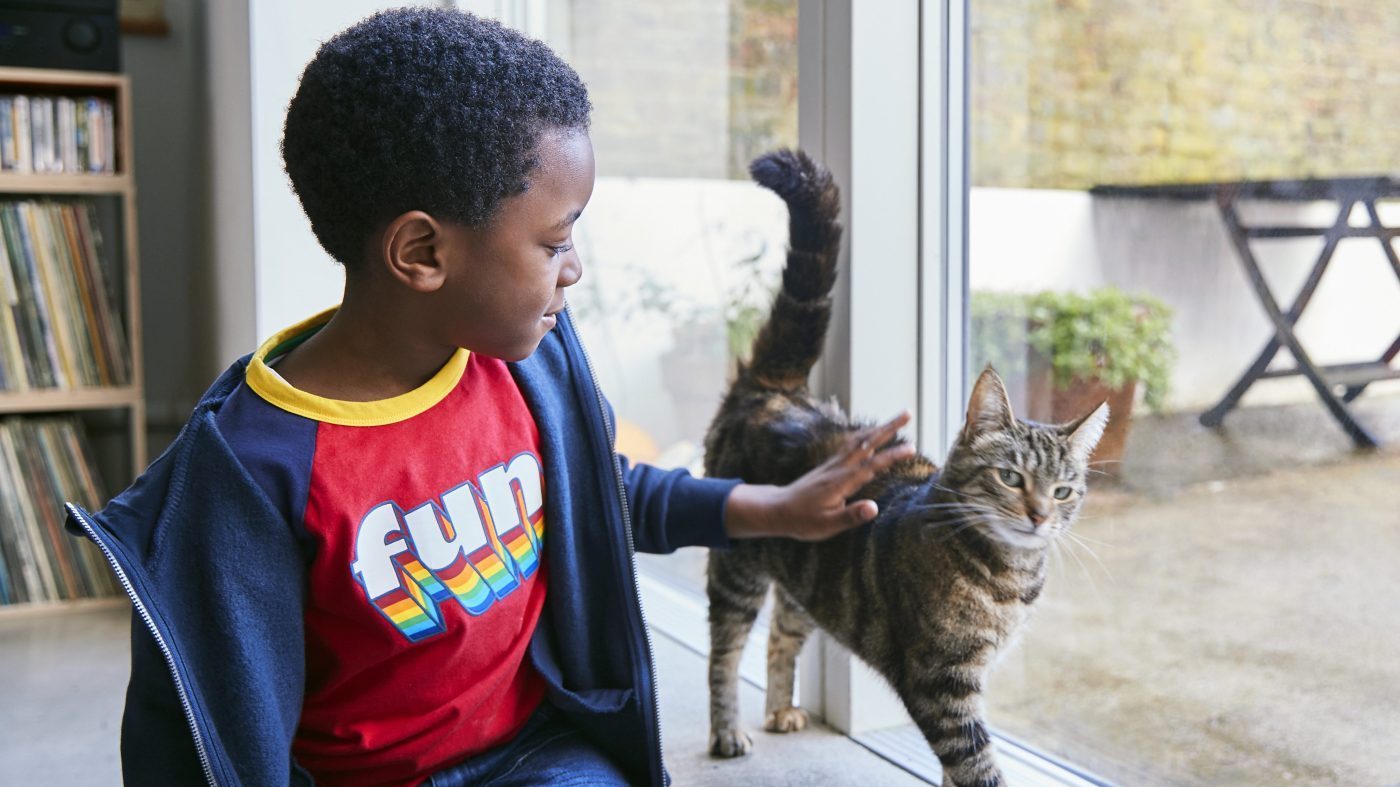
A recent study tracking nearly 1,900 families has found a potential link between having a cat in the home and emotional or behavioral challenges in young children. The research, published in the World Journal of Pediatrics, focused on children aged 4 to 5 and followed them until they were 7 or 8 years old.
The findings indicate that children who had a cat at age 4-5 were about 37% more likely to exhibit what researchers call "internalizing" problems—such as anxiety, withdrawal, or sadness—by the time they reached early elementary school. Additionally, they were roughly 27% more likely to show "externalizing" behaviors, including acting out, rule-breaking, or difficulty with impulse control.

Interestingly, the same pattern did not appear for other pets like dogs, birds, rodents, fish, or reptiles. This has led researchers to hypothesize about what makes cats different, though they stress that the study is observational and does not prove that cats cause these issues.
Possible Explanations
One theory is that cats are generally lower-maintenance and less interactive than dogs, meaning children may spend less time in active play or social engagement. The study suggests this could reduce opportunities for developing emotional regulation and social skills.
Another explanation is reverse causation: families with children who already exhibit stress or behavioral difficulties might choose a cat because it's easier to manage than a dog. In that scenario, the cat isn't the problem—it's simply present in a household that already faces challenges.
A more speculative theory involves Toxoplasma gondii, a parasite that cats can carry and shed in their feces. Previous research has linked toxoplasmosis to psychiatric disorders like bipolar disorder and schizophrenia. However, this study did not test children or cats for the parasite, and the authors note that the link remains unproven.
What Parents Should Know
Lead researchers emphasize that the findings are correlational, not causal. Many other factors—such as family dynamics, genetics, and environment—contribute to a child's emotional development.
They advise parents to watch for signs of anxiety or distress in young children, including increased clinginess, trouble sleeping, withdrawal from friends or family, or frequent meltdowns. However, these behaviors are not exclusive to households with cats.
For context, other recent studies have explored how workplace policies affect family stress, and how certain medications are increasingly used in young children, but neither is directly related to pet ownership.
Ultimately, the authors stress that parents should not panic or rehome their cats based on this single study. The benefits of pet ownership—companionship, responsibility, and emotional bonding—may outweigh potential risks for many families.