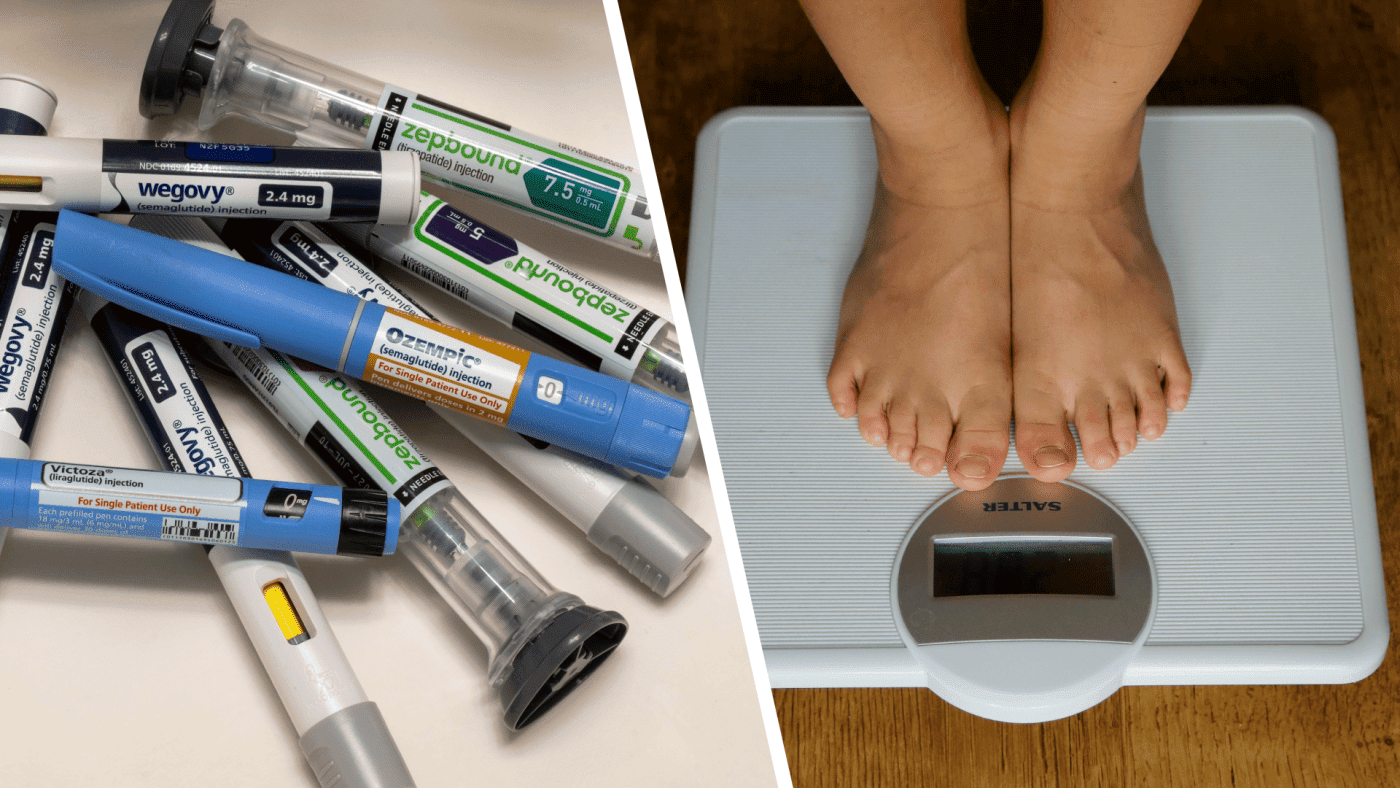
Prescriptions for GLP-1 weight-loss drugs among children aged 8 to 11 have surged by nearly 31,000 percent over the past seven years, according to a new study from NYU Langone Health. The findings, based on an analysis of more than 3.5 million pediatric health records, highlight a dramatic shift in how doctors are treating childhood obesity, even as regulators have not approved these medications for the youngest patients.
The study, which examined data from 2019 through 2026, found that the share of children in this age group with obesity—but without diabetes—who received a GLP-1 prescription jumped from 0.03 percent in 2019 to 9.3 percent in 2026. That represents a 310-fold increase, or roughly a 31,000 percent rise, according to the researchers.

Despite the explosive growth, the absolute numbers remain modest. Lead investigator Dr. Babak J. Orandi, an associate professor at NYU Grossman School of Medicine, told the New York Post that only 0.6 percent of the 3.5 million children in the study ever received a GLP-1 prescription over the entire period. “In context, this is a very small number,” Orandi said. “Against that denominator, 20,282 GLP-1 children receiving prescriptions represents a tiny fraction of children eligible for treatment. While the number receiving treatment is very small, uptake is accelerating quickly.”
The study also found that children with obesity-related conditions—such as high cholesterol, sleep apnea, or fatty liver disease—were significantly more likely to be prescribed these drugs than those without such comorbidities. This suggests that doctors are targeting the highest-risk patients, reserving the medications “for those at greatest cardiometabolic risk,” the authors noted.
Notably, the FDA has not approved any GLP-1 medication for children under 12. In severe cases, however, physicians have resorted to off-label prescribing, a practice that has drawn scrutiny from medical ethicists and regulators. The study’s authors caution that the long-term effects of these drugs on developing bodies remain largely unknown.
The surge in pediatric GLP-1 use comes amid a broader boom in the weight-loss drug market, which has also seen lax oversight in online prescriptions, according to a recent Yale study. That report highlighted how telehealth platforms have made these drugs easily accessible, raising concerns about inappropriate use.
Socioeconomic factors also appear to play a role. The NYU study found that children from upper-income families were more likely to receive GLP-1 prescriptions, a disparity that underscores ongoing inequalities in access to obesity treatments. Orandi, however, emphasized that “most who could benefit still aren’t.”
Orandi said he is more concerned about the “underlying factors” driving childhood obesity, which now affects roughly one in five American children. “This is a systemic issue that goes beyond medication,” he said. “We need to address diet, physical activity, and the broader environment that contributes to obesity.”
The findings arrive as policymakers and health officials grapple with the rising prevalence of obesity-related diseases in children. Some experts argue that broader use of GLP-1s could help mitigate long-term health costs, while others warn of unintended consequences. The debate mirrors the larger controversy over black market sales of unapproved obesity drugs, which have prompted legal action from manufacturers like Eli Lilly.
For now, the NYU team stresses that the numbers, while small, signal a rapid shift in clinical practice. “The acceleration is real,” Orandi said. “We need to ensure that these drugs are used appropriately, and that we don’t lose sight of the root causes of the problem.”