Top Democrats on the House Energy and Commerce Committee are pressing the Centers for Disease Control and Prevention (CDC) for details about a $1.6 million grant awarded last year to Danish researchers for a hepatitis B vaccine trial in Guinea-Bissau. The lawmakers, led by ranking member Frank Pallone Jr. (D-N.J.), sent a letter to CDC Director Erica Schwartz demanding a staff-level briefing by Nov. 6 and answers about the study's design, ethical review, and funding process.
The proposed trial, which would have enrolled 14,000 newborns in the West African nation, was meant to test the long-term effects of giving the hepatitis B vaccine at birth. However, the study has been halted because Guinea-Bissau's government did not grant approval, according to its lead researcher. The country, where nearly one in five people are infected with hepatitis B, currently does not vaccinate at birth but plans to implement the dose by 2028.
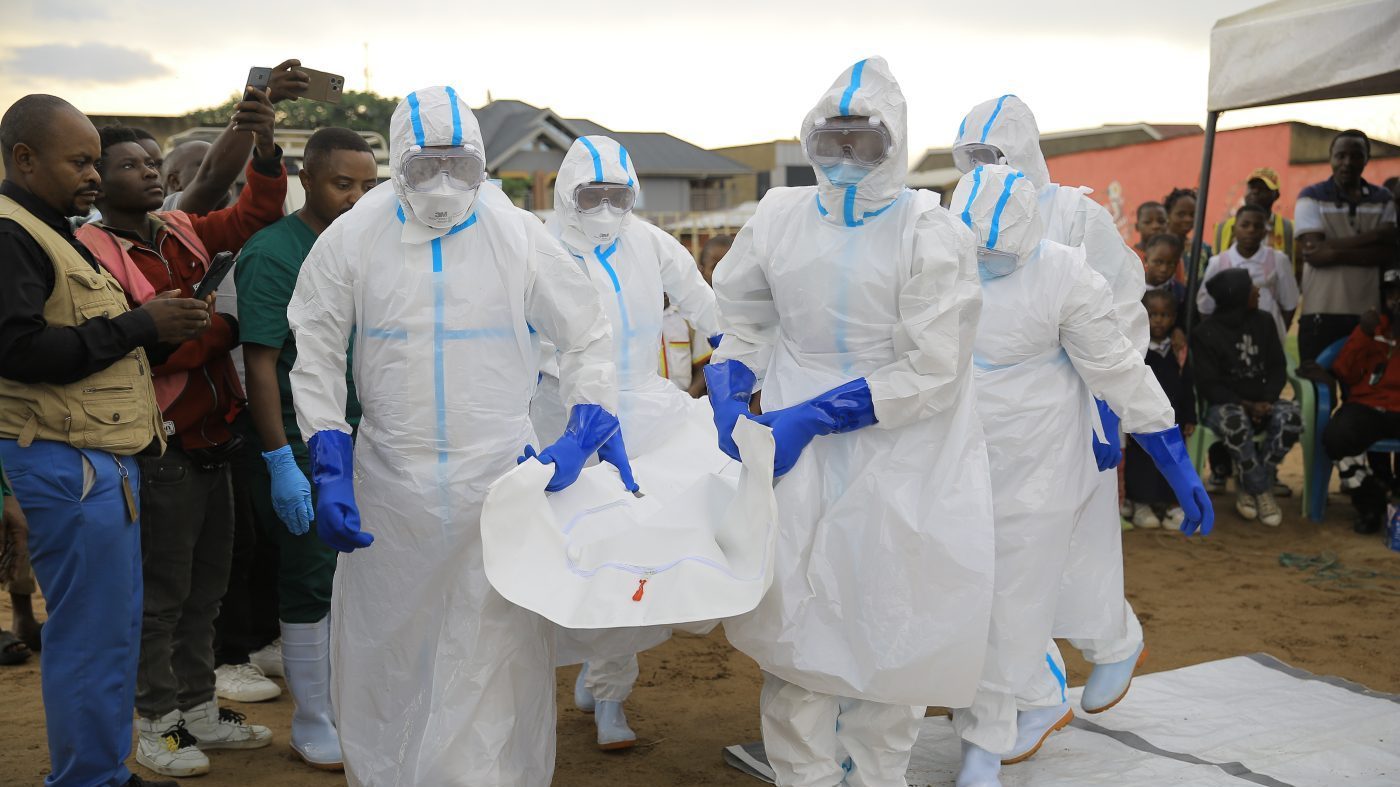
Critics, including many public health experts, have slammed the trial as unethical and colonialist, pointing out that a similar study would never be approved in the United States. The vaccine is already well-established, and its widespread use at birth has nearly eliminated hepatitis B in the U.S. The lawmakers echoed these concerns, writing that the study "harms children" and that the CDC should not have approved using American taxpayer dollars for it.
The letter also accuses the CDC of rushing the funding while simultaneously reducing its global health footprint, diverting money from global health security. The Democrats noted that the CDC "appears to have allocated funding to this project even as it continues to withhold essential information from Congress and the public."
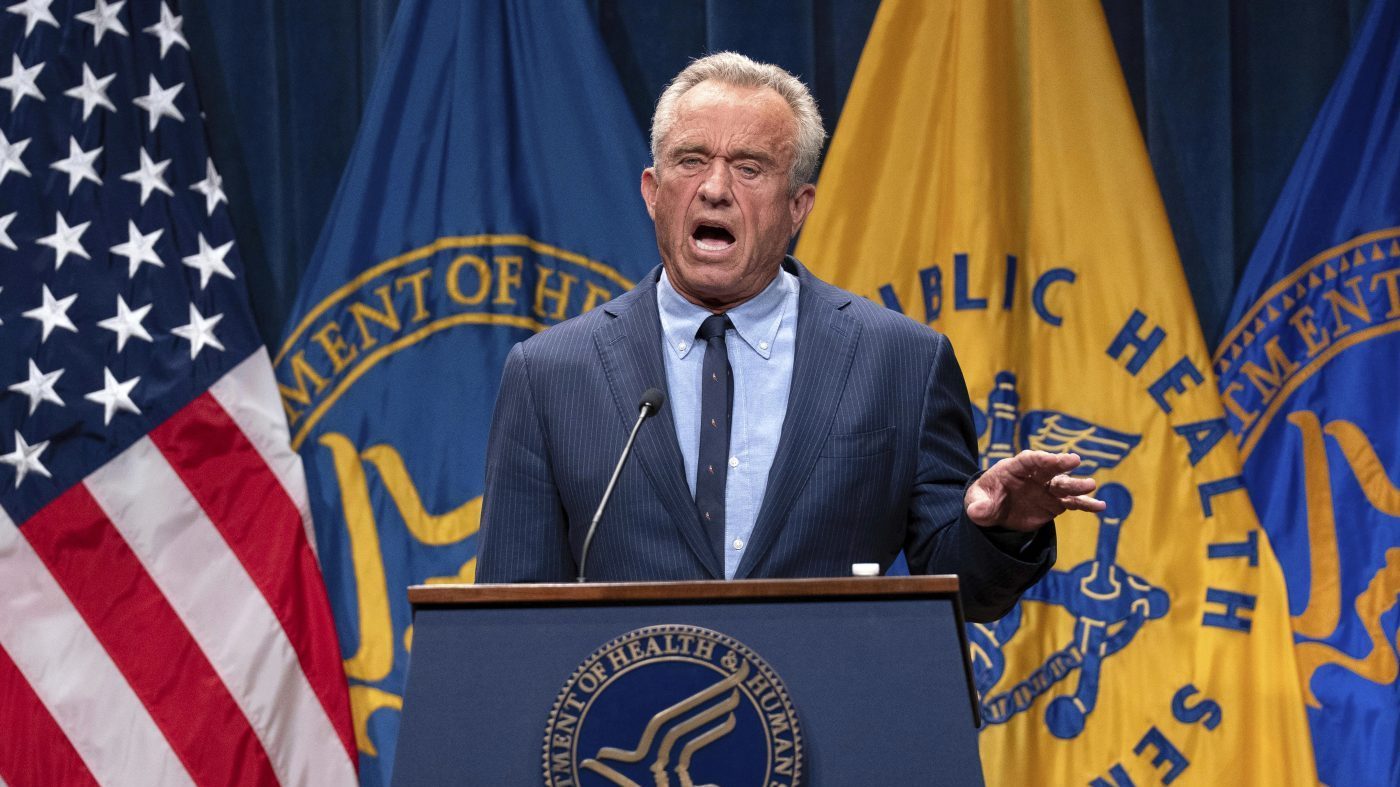
The controversy comes amid broader political battles over vaccine policy. The World Health Organization recommends a birth dose of the hepatitis B vaccine, and the CDC did so until recently. But earlier this year, a federal advisory panel selected by Health Secretary Robert F. Kennedy Jr. voted to stop recommending the shot for all newborns—a move that was temporarily blocked by a federal judge in Boston as part of an ongoing lawsuit. Kennedy and his allies have repeatedly questioned the safety of the hepatitis B vaccine, raising concerns about political interference in public health decisions.
Guinea-Bissau's foreign minister has said the study was terminated, but the Democrats argue that the CDC was "still forging ahead" by funding a study that "dooms children to needless suffering, organ failure, or even death." They are demanding assurances that the Trump administration will not attempt to revive the trial or launch a similar one.
The trial was first announced in December 2025 and quickly drew backlash from Congress and the international public health community. The Democrats' letter underscores the growing tension between the administration's vaccine skepticism and established medical evidence, a theme that has also resonated in other policy areas. For instance, recent polls show Democrats widening their midterm lead as voters react to such controversies. The debate over vaccine policy could become a factor in upcoming elections, as younger voters swing toward Democrats on health issues. Meanwhile, the CDC's role in global health is under scrutiny, with lawmakers also probing other foreign policy matters.
The CDC has not publicly commented on the letter, but the agency faces a pivotal decision on whether to maintain its commitment to evidence-based vaccine policy or yield to political pressure. For now, the Democrats are seeking clarity on whether the halted trial will remain dead or if the administration will try to circumvent the ethical objections.