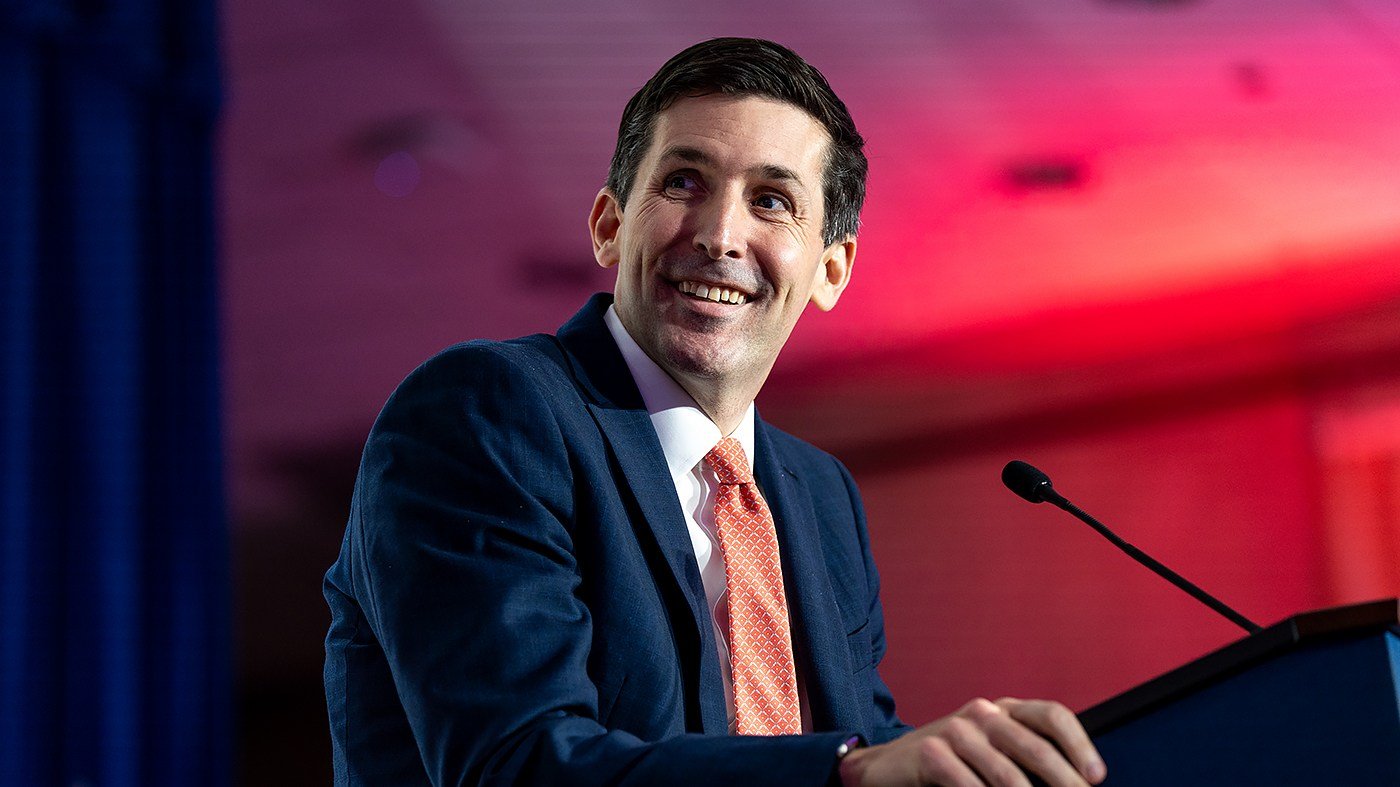
Calley Means, a senior adviser to Health and Human Services Secretary Robert F. Kennedy Jr. and a prominent voice in the Make America Healthy Again (MAHA) movement, has resigned from the Trump administration. The departure, confirmed Thursday, comes amid reported frustration over the slow pace of the administration's food and health policy agenda, just weeks before the midterm elections.
Means's exit underscores a widening rift between the grassroots MAHA base and the administration, which has struggled to translate the movement's ambitious goals into concrete policy changes. Key priorities such as eliminating pesticides and chemicals from the food supply, reducing reliance on ultraprocessed foods, and overhauling the nation's vaccination policies have largely stalled, despite some smaller victories.
The White House and HHS did not respond to requests for comment on the resignation. Means's departure is a significant blow to the MAHA movement, which had looked to him as a key liaison between the administration and its activist supporters.
In a statement posted on X, Means expressed respect for President Trump and Secretary Kennedy, saying, "I am resigning from the White House with tremendous respect for President Trump and Bobby Kennedy. They laid out a vision of combatting the entrenched, dark forces in DC that profit from Americans getting sick." He added, "More policy and cultural change has happened around these goals in the past 2 years than any time in history – and I know this movement is just getting started."
Means highlighted several MAHA achievements, including changes to the food pyramid and dietary guidelines, promotion of psychedelic medicine, removal of soda from the Supplemental Nutrition Assistance Program, and GRAS reform. However, these wins have been overshadowed by the administration's continued alignment with traditional GOP priorities, which has frustrated activists seeking more aggressive action.
The timing of Means's resignation, less than two weeks before the midterms, is politically sensitive. It comes as Republicans defend their Senate majority and as the administration faces scrutiny over its health policies. The MAHA movement's influence on the broader GOP agenda remains uncertain, with some lawmakers wary of the movement's more controversial positions.
Observers note that the internal discord could affect voter enthusiasm among health-focused conservatives. The administration's response to Means's departure and its ability to address MAHA's core concerns will be closely watched. Some analysts suggest that the resignation may signal a shift in the administration's priorities, potentially alienating a key constituency.
For now, Means's departure leaves a void in the MAHA leadership within the administration. His statement suggests he will continue to advocate for the movement from outside, but the loss of a senior adviser with direct access to the HHS secretary is a setback. The coming weeks will reveal whether the administration can regain the trust of the MAHA base or if this marks a turning point in the movement's influence.