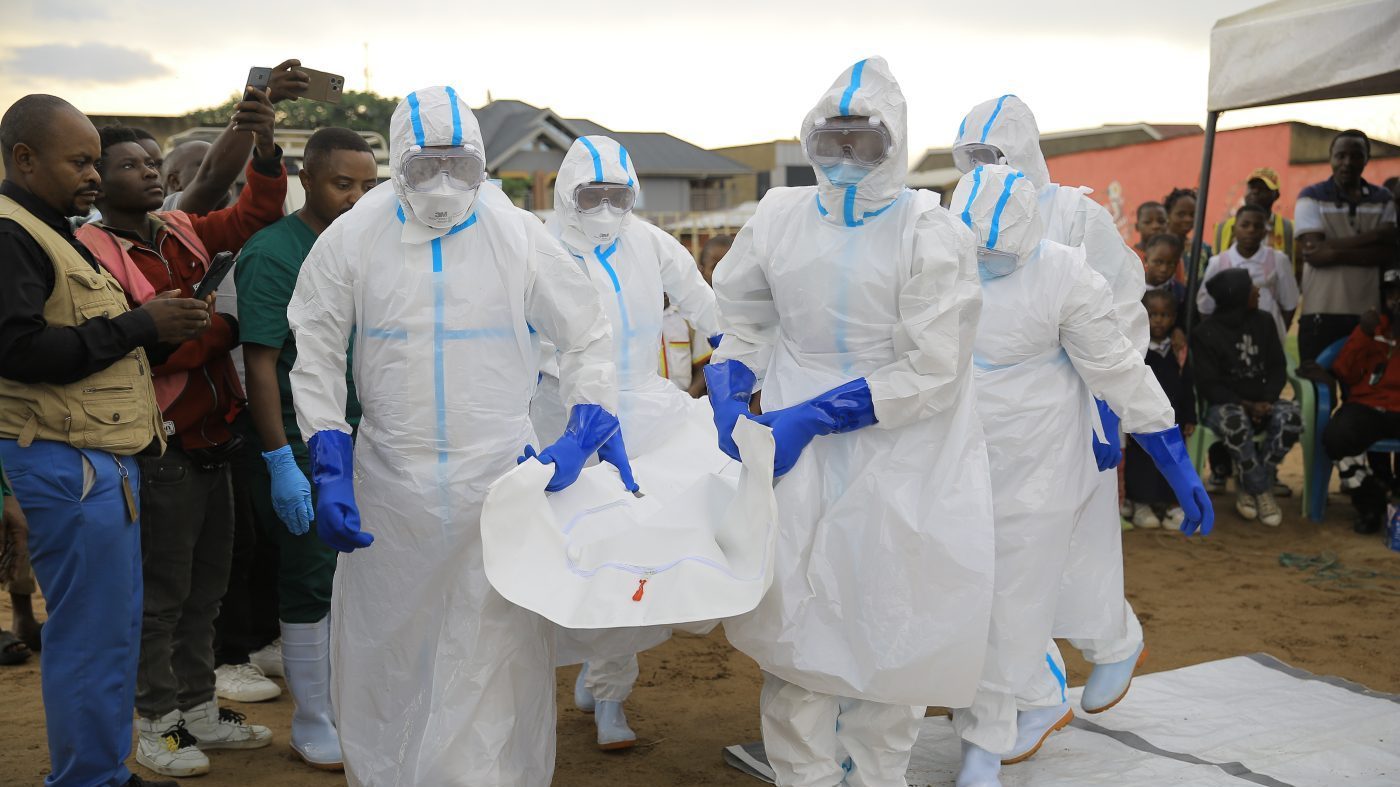
The Centers for Disease Control and Prevention (CDC) is implementing new screening requirements for international travelers bound for the United States, mandating that they certify they have not visited the Democratic Republic of Congo (DRC) in the past three weeks. The move, first reported by Reuters on Thursday, comes as the DRC grapples with a severe Ebola outbreak that has already infected thousands.
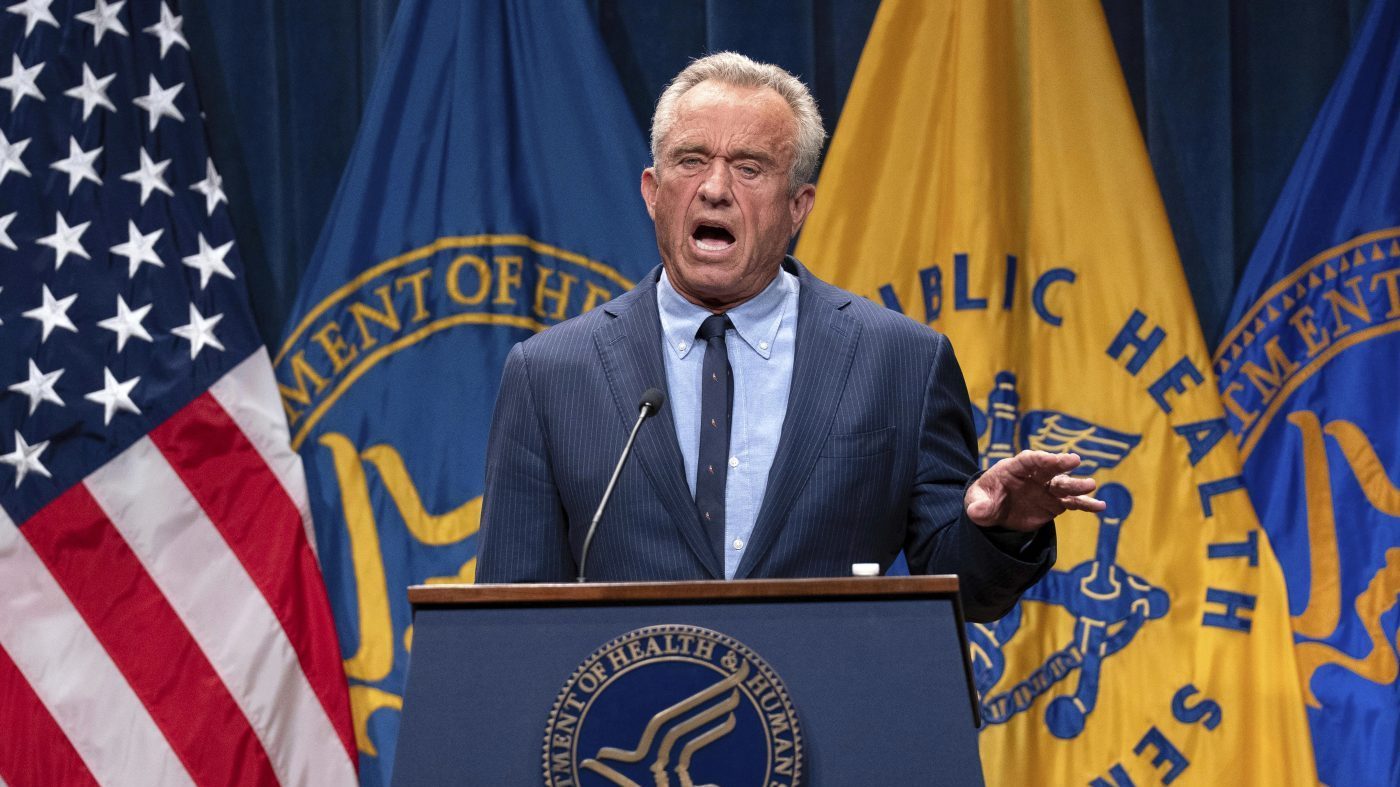
The CDC's directive, outlined in an internal memo, applies to all foreign nationals seeking entry into the U.S. Previously, the agency had barred any travelers—including U.S. citizens—who had been in the DRC within 21 days of departure. The new certification requirement is part of a broader effort to prevent the virus from reaching American shores while balancing the need to maintain international travel and diplomatic ties.
The World Health Organization (WHO) reports more than 9,000 confirmed cases of the Bundibugyo strain of Ebola, with over 4,000 confirmed deaths as of October 11. The agency warns that the disease's transmission "remains high and fluctuating," describing the outbreak as "a shifting and geographically fragmented epidemic than sustained contraction."
The outbreak has already spilled beyond the DRC's borders. Kenya and Nigeria have confirmed their first cases, both linked to possible exposure at Uganda's Entebbe International Airport on October 3, according to the Associated Press, citing Dr. Wessam Mankoula, head of emergency preparedness at the Africa Centers for Disease Control and Prevention. African health officials are scrambling to trace contacts and slow the spread.
Nigeria's Health Minister, Muhammed Pate, told the AP that officials are tracking 44 contacts associated with the country's index case—the Uganda-born wife of a diplomat who had vacationed in Uganda for two weeks last month. "We are trying to contain it so it doesn't go out to the communities," Pate said, though Nigerian authorities dispute Uganda's claim that the patient had traveled to the DRC.
Kenya has recorded nine cases so far, with 135 contacts identified and 134 in quarantine. The situation underscores the interconnectedness of regional travel and the challenges of containing a highly infectious disease.
In August, the DRC government requested the release of Ervebo vaccines from the global Ebola virus disease vaccine stockpile. The International Coordinating Group on Vaccine Provision authorized an initial release of 70,000 doses, as noted by the Africa Centres for Disease Control and Prevention. WHO Director-General Tedros Adhanom Ghebreyesus praised the move, and at the end of August he declared that Uganda's outbreak had ended after a 42-day monitoring period with no new cases. Uganda had reported 20 cases, with the last patient discharged in mid-July.
The response in the DRC has been hampered by a lack of health infrastructure, ongoing conflict, frequent population movement, and widespread distrust of the government, according to the WHO. Dr. Jean Kaseya, director-general of the Africa Centres for Disease Control and Prevention, has called for a "village-centered response" that includes free healthcare services, safe reopening of schools, and stronger cross-border communication.
The CDC's new requirement is likely to face logistical hurdles, as airlines and border agents must verify traveler certifications. The agency has not yet responded to requests for comment from The Hill.
This development comes as health officials worldwide remain on high alert, with Kenya reporting its first imported Ebola case and subsequent cases raising concerns about community transmission. The CDC's action reflects a broader concern among infectious disease experts about the adequacy of public health messaging and preparedness.