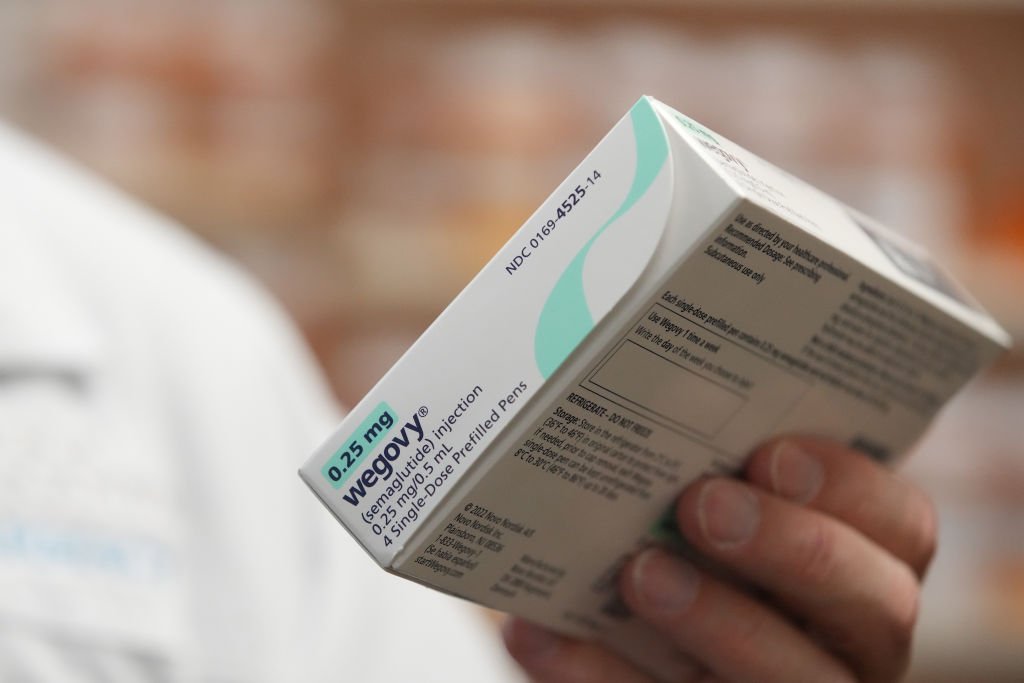
A new study from Yale University reveals that online platforms are handing out GLP-1 prescriptions with alarming ease, often bypassing meaningful medical oversight. Researchers posing as patients were able to secure these drugs in as little as five minutes, relying almost entirely on simple questionnaires rather than face-to-face consultations.
Published July 6 in JAMA, the study involved 49 websites where researchers used a simulated patient profile meeting standard eligibility criteria for GLP-1 receptor agonists. From August to December 2025, they found that only 13 sites required a video visit, and just three demanded a phone call. The rest relied on questionnaires about medical history, weight loss goals, and allergies.

The results were striking: only four websites denied the prescription. One rejection came because a preexisting prescription was already on file; another was withdrawn due to a mismatch between reported weight and a submitted photo. Two others required blood work, which the researchers did not provide.
The median time to obtain a prescription was one day or less. In two cases, compounded GLP-1s were issued within five minutes. Twenty percent of sites approved the drug based solely on an upper-body photo, even when they asked for a full-body image or one showing the patient on a scale. Three-quarters of the vendors automatically charged and shipped the medication without confirming with the fake patient.
“This secret shopper study found that online GLP-1 RA prescription vendors often did not require clinician interaction, relying primarily on patient-reported questionnaires that may not capture important clinical and social history,” the study authors wrote. They also noted multiple prescriptions from the same clinicians, prescriptions issued despite missing required photos, and the extremely fast turnaround times as evidence of limited oversight.
Most of the websites—39 out of 49—sold compounded versions of GLP-1s, which are custom-mixed drugs allowed under federal rules only during shortages or for specific patient needs. With no current shortage of GLP-1s, the researchers said the compounding sellers used “leading” questions about personalization to justify continued prescribing, a practice now under FDA pressure to stop.
The findings echo broader concerns about the rise of direct-to-consumer telehealth, where convenience can trump safety. As regulators scrutinize online prescribing, this study underscores the need for stronger guardrails to ensure that quick access doesn’t undermine comprehensive care.