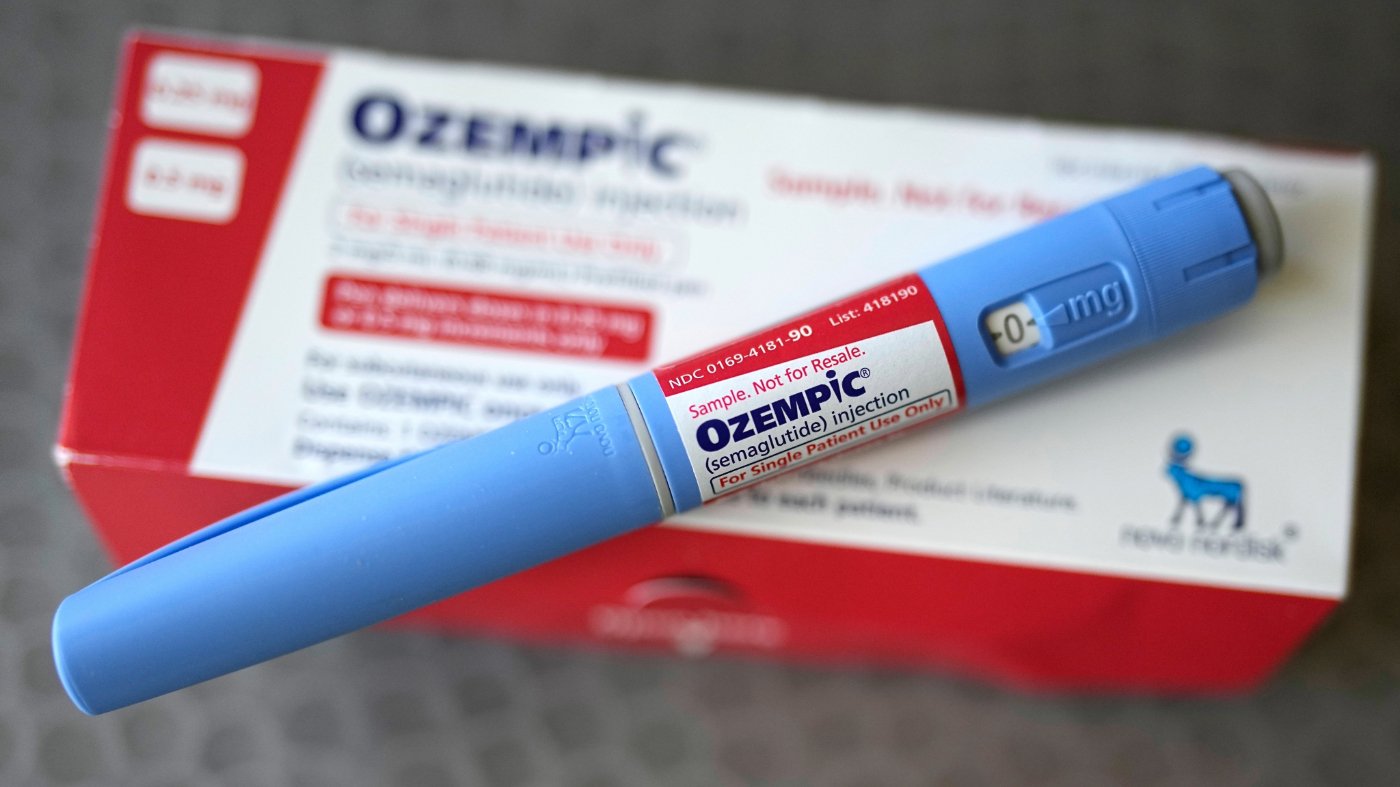
A new Gallup survey released Tuesday reveals that a record 11% of American adults are currently taking GLP-1 medications for weight loss—a sharp increase from just 3% in 2024. The poll, part of the Gallup National Health and Well-Being Index, also found that 15% of respondents have used the drugs at some point, up 9 percentage points from prior data.
The surge in GLP-1 use coincides with a gradual decline in the U.S. adult obesity rate, which now stands at 36.4% in 2026, down from a record high of 39.9% in 2022—the year after the FDA first approved Wegovy for weight loss. Diabetes diagnosis rates have also stabilized after 15 years of steady increases, suggesting broader health benefits tied to the drugs' adoption.

Access and Cost Dynamics
Researchers attribute part of the obesity decline to wider GLP-1 accessibility, though other factors may play a role. Past studies show a strong correlation between GLP-1 usage and lower obesity rates across all age groups except those 65 and older, where reported effectiveness is lower.
Cost remains a hurdle for many on commercial insurance, as many plans still do not cover GLP-1s for weight loss. However, increased competition and international pricing pressure have driven down out-of-pocket expenses. For Medicare beneficiaries, prices have also fallen, and some Novo Nordisk drugs are now subject to Medicare price negotiation. Under the Trump administration's temporary Bridge program, certain Medicare enrollees can access GLP-1s for as little as $50.
Compounded Versions Fill Gaps
Drug shortages have fueled a market for cheaper compounded versions not approved by the FDA. Despite the agency ordering a halt to compounding of non-branded GLP-1s last year, the survey found that 19% of current users are taking compounded or customized formulations. About one-third of those on compounded drugs switched from brand-name products, indicating that lower-cost alternatives are expanding access to broader populations.
The findings come amid a broader political debate over drug pricing and access. A recent Harvard study linked GLP-1 weight loss to a 27% jump in hiring for women, highlighting potential economic ripple effects. Meanwhile, the DEA's crackdown on synthetic compounds and ongoing policy battles over healthcare costs continue to shape the landscape.
The Gallup poll, conducted from May 28 to June 5 among more than 5,000 adults nationwide, underscores how GLP-1 drugs are reshaping public health metrics and consumer behavior. As the market evolves, policymakers and insurers face mounting pressure to address affordability and ensure equitable access.