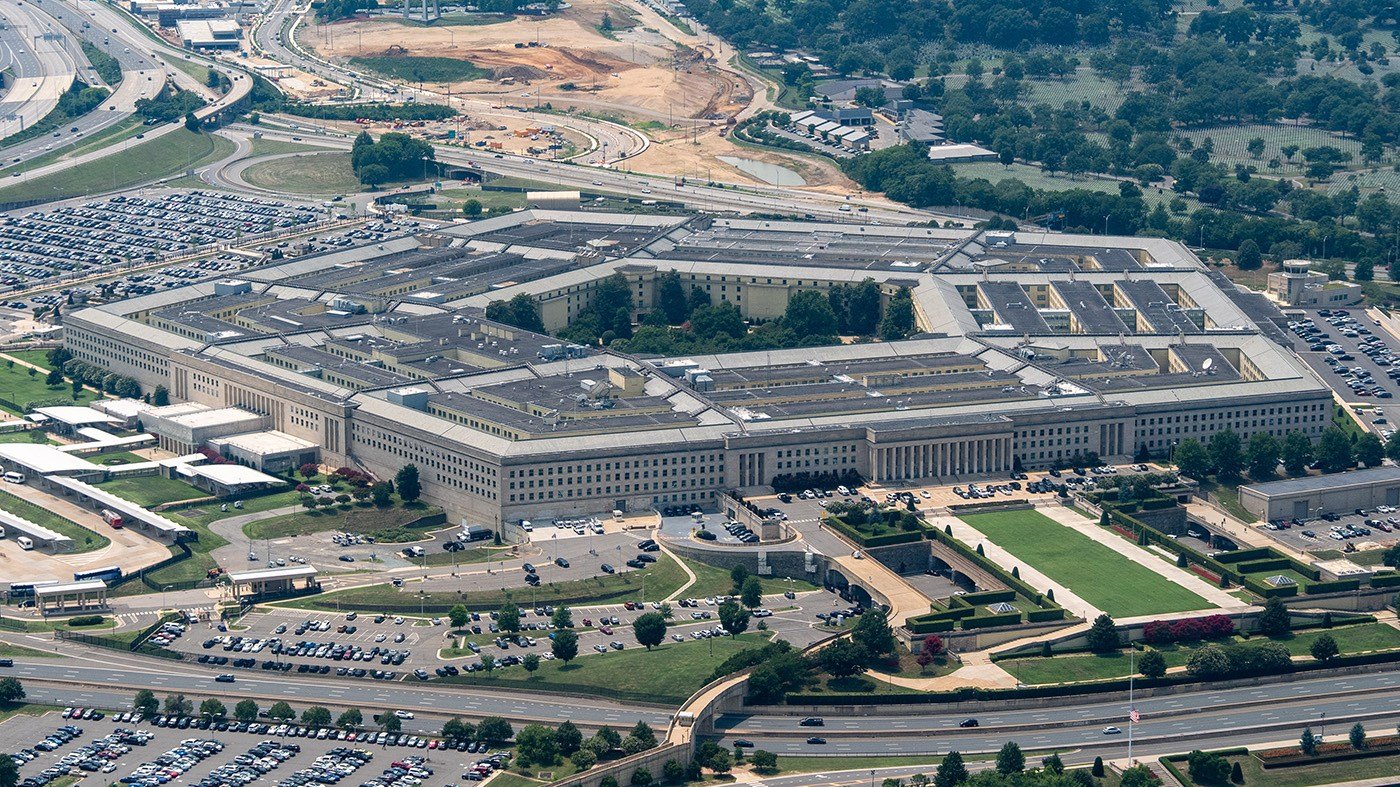
The Pentagon's latest annual report, released Friday, shows that reports of sexual assault in the U.S. military declined for the third consecutive year in fiscal 2025. The department received 7,998 reports of sexual assault, down from 8,195 in the previous year and from 8,515 in 2023. This marks a steady descent from the 8,942 reports logged in 2022.
Of the 2025 reports, 5,022 were classified as unrestricted, meaning they were formally investigated, while 2,976 remained restricted at the end of the fiscal year. Unrestricted reports allow service members to access mental health care and legal assistance while triggering an official probe.
Under Secretary of Defense for Personnel and Readiness Anthony J. Tata emphasized the military's commitment to addressing the issue. "Dignity, respect and discipline are foundational to the warrior ethos and the overall preparedness of the force," he said in a statement. "Sexual assault and sexual harassment undermine these values, eroding trust and threatening the mission."
The report also noted a slight decrease in sexual harassment complaints, with 2,936 filed in 2025 compared to 3,014 in 2024. The Pentagon is required to submit this annual report to Congress under Section 1631 of the 2011 Ike Skelton National Defense Authorization Act, and it was delivered to the relevant committees on Aug. 10.
Breaking down the data by service branch, the Marine Corps reported the highest percentage of women experiencing unwanted sexual contact at 6.4%, followed by the Navy at 5.1% and the Army at 4.5%. The Air Force had the lowest rate at 2.8%. Among men, the Navy led at 1.5%, with the Army and Marine Corps both at 1%.
The estimated rate of unwanted sexual contact for active-duty women fell from 6.8% in 2023 to 4.3% in 2025. The Pentagon attributed this statistically significant decrease primarily to fewer enlisted women (E1-E4 and E5-E9) and junior officers (O1-O3) reporting such incidents. The overall number of active-duty service members who experienced unwanted sexual contact dropped to approximately 20,492 in 2025, down from 29,061 in 2023.
Despite the positive trend, advocacy groups remain skeptical. Josh Connolly, senior vice president of Protect Our Defenders, a nonprofit dedicated to ending military sexual misconduct, urged caution. "Survivors are more afraid to come forward than they were two years ago, and this administration has spent the past year giving them reason to be – rolling back whistleblower protections, making it harder to report anonymously, warning people who come forward that they may be punished for it," he said. "A number that falls because people stopped talking is not progress."
Connolly's concerns are echoed by recent policy shifts, including the Navy's decision to pause sexual assault prevention training and Defense Secretary Pete Hegseth's plan to overhaul offices that allowed anonymous whistleblower complaints. The Pentagon reported that it had "sufficient" evidence for disciplinary action in 1,321 cases involving sexual assault allegations.
While the decline in reported incidents is notable, the 2025 figure remains nearly 40% higher than in 2016, when 14,900 cases were reported, and is roughly on par with 2018 levels. The Pentagon also noted that about one-third of victims came forward last year, up from 25% in 2023, suggesting increased willingness to report among some service members. However, advocates like Connolly argue that many cases still go unresolved, with survivors facing bureaucratic hurdles and losing access to care. As the military continues to grapple with these challenges, the new data offers a mixed picture of progress and persistent concern.