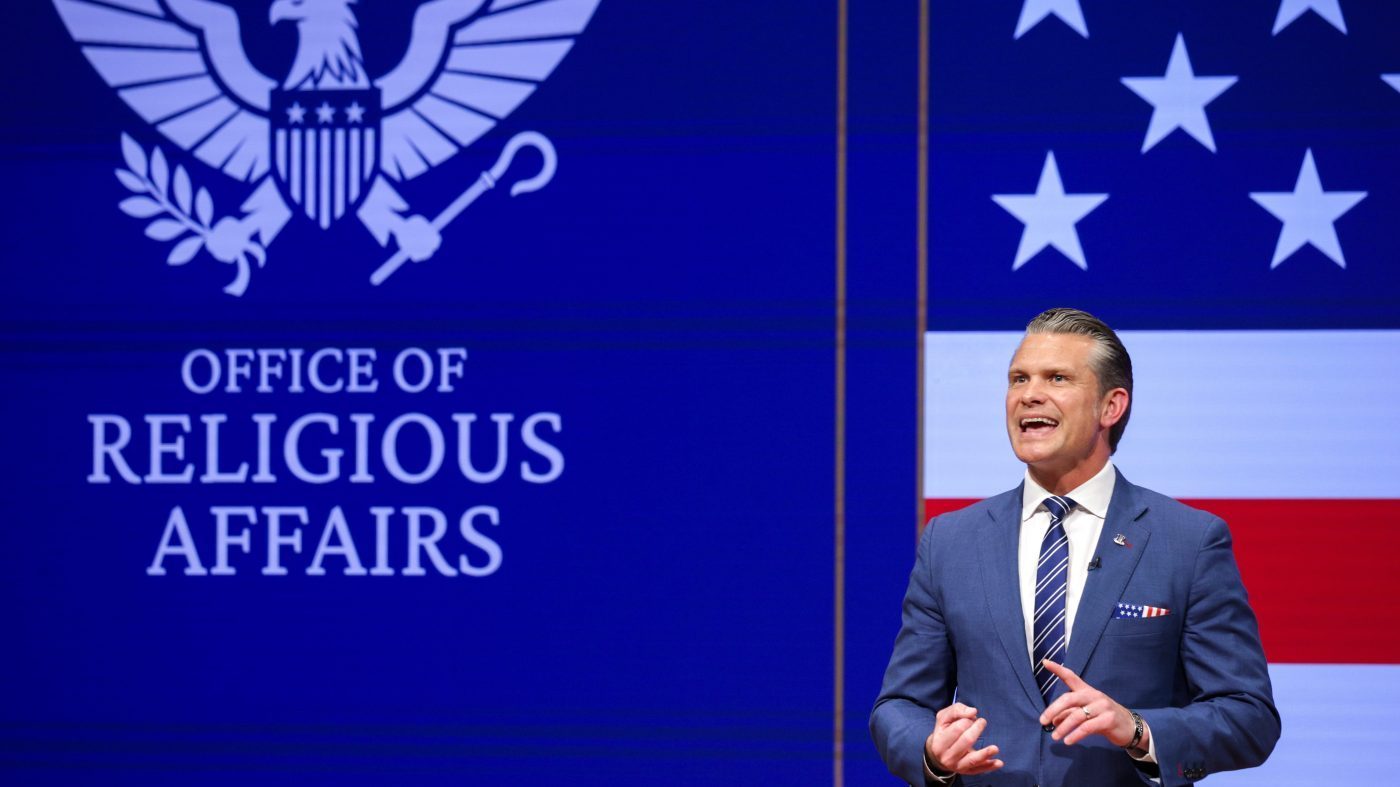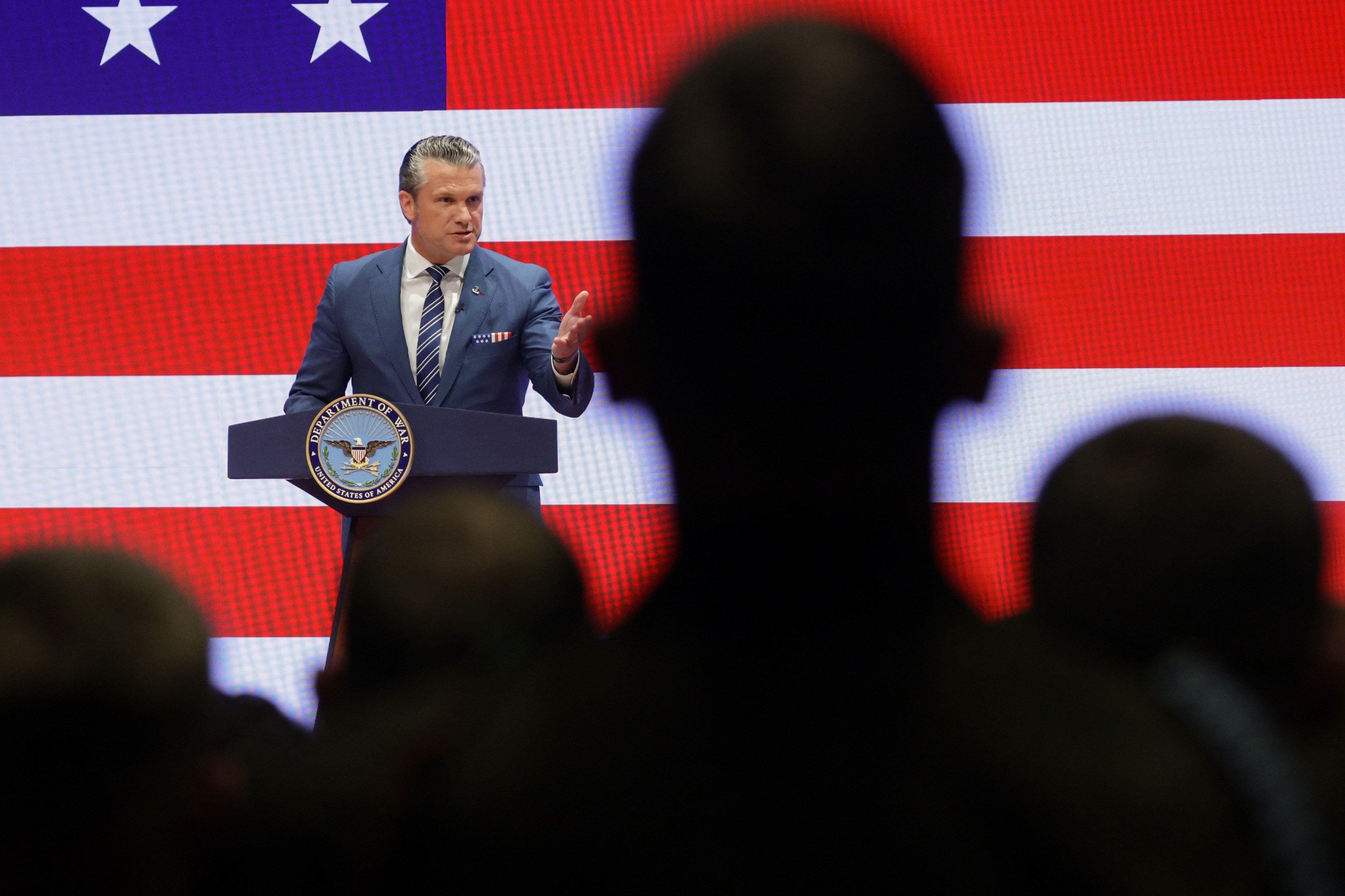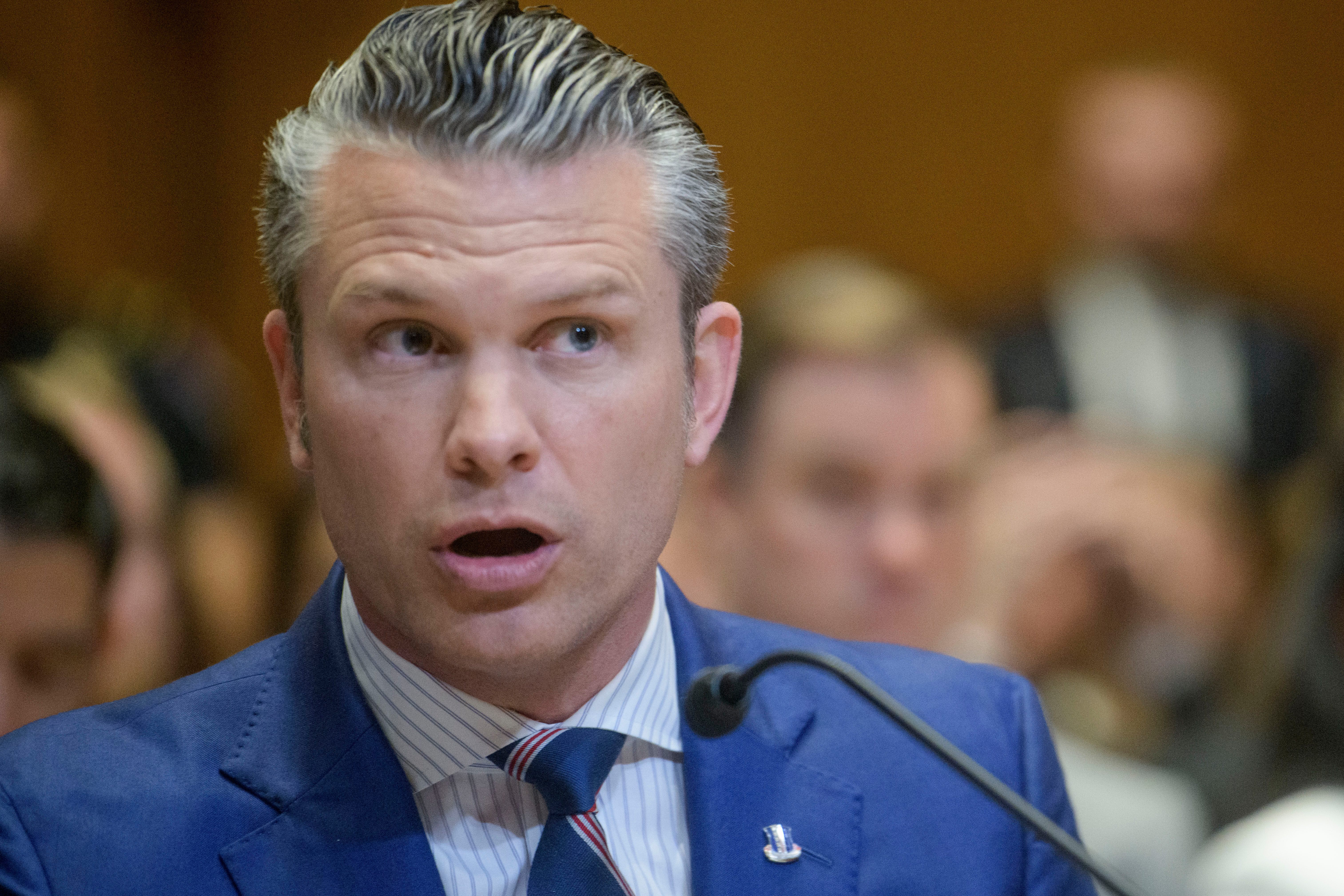
In a move that has rattled the Pentagon's traditional power structures, Defense Secretary Pete Hegseth last week rolled out six major initiatives aimed at reshaping how the U.S. military prepares for and responds to future conflicts. Among them, the creation of a new four-star Autonomous Warfare Command and the establishment of Project Meridian, a high-profile advisory panel tasked with envisioning the battlefields of tomorrow.
Project Meridian, in particular, has captured attention for its unconventional roster: tech mogul Elon Musk, Anduril founder Palmer Luckey, and former House Speaker Newt Gingrich. The trio has been given a 120-day mandate to identify the weapons and technologies warfighters will need to dominate future conflicts and to propose actionable steps for development and deployment by January 28.
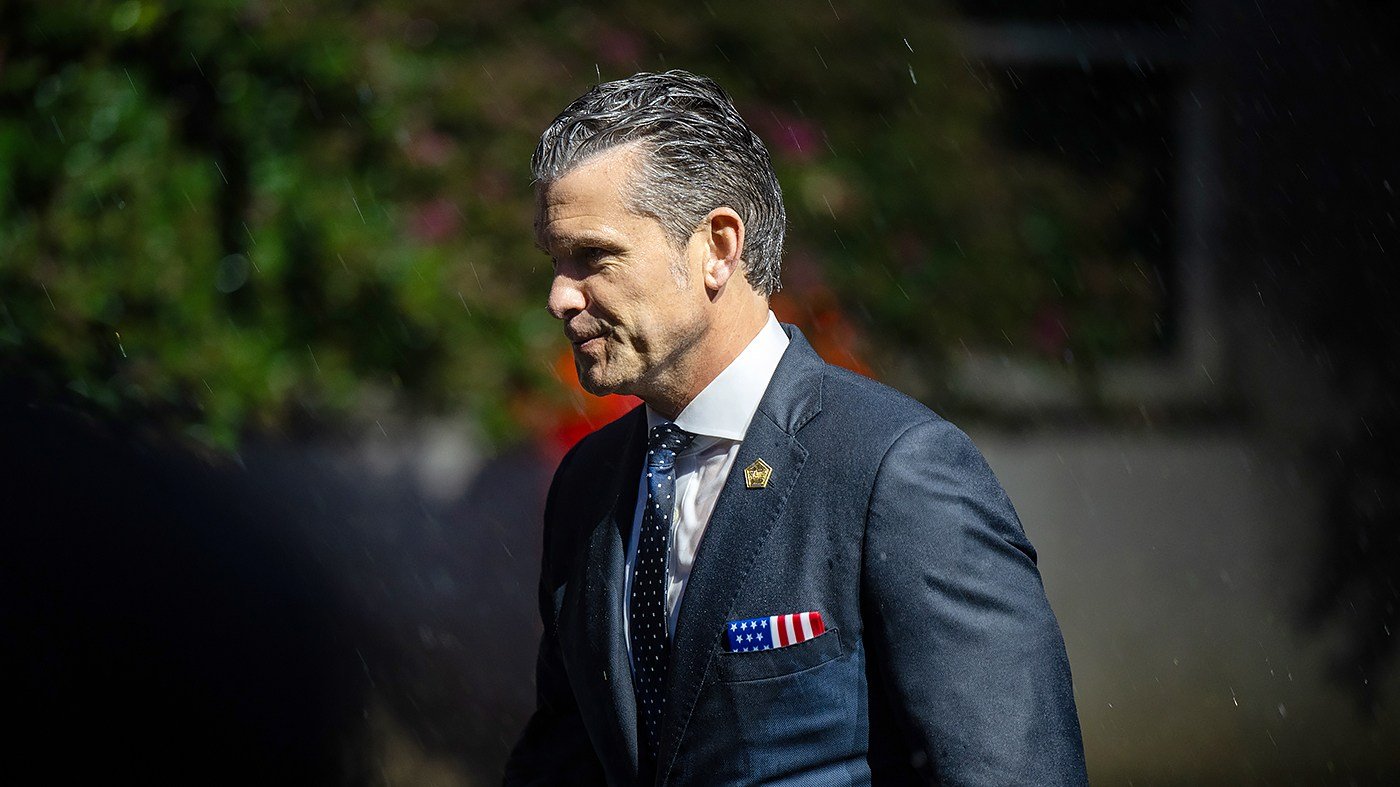
Musk, whose Starlink and Tesla ventures have made him a household name, is often compared to industrial titans like Henry Ford and John D. Rockefeller. However, his concurrent role heading the Department of Government Efficiency—a cost-cutting initiative that has sparked significant backlash within the Pentagon—could hamper his effectiveness in this new endeavor.
Luckey, the inventor of the Oculus VR headset, founded Anduril in 2017. The company has quickly become a key player in autonomous drones and sensors, with systems already in operational use against Iran. Anduril recently secured a $20 billion non-compete contract with the Army, underscoring its growing influence.
Gingrich, a Ph.D. in European history and a longtime military reform advocate, co-founded the Caucuses on Military Reform and Space in 1981. His approach has always been to focus on strategy and concepts rather than budget line items. Despite his controversial past, including military deferments during Vietnam and his marriage to a former high school teacher, Gingrich remains a significant force in Republican politics.
While the combined brainpower of Meridian is formidable on paper, none of its members have served in uniform or commanded troops in combat. This raises questions about the feasibility and affordability of their recommendations. Some critics even suggest that a Hollywood studio might be equally creative. Yet Hegseth's initiative has certainly generated interest.
To ensure Meridian's success, Hegseth might look to history. When Dwight Eisenhower took office in 1953, he commissioned Project Solarium, a multi-track effort to craft national security strategy against the Soviet Union. Three task forces, each with different assumptions, worked independently to produce competing recommendations. Hegseth could emulate this model by adding two more groups: one composed of former senior military leaders, and another under the vice chairman of the Joint Chiefs, including current combatant commanders.
Potential members for such a group could include former Joint Chiefs chairmen Admiral Mike Mullen and General Joseph Dunford, General David Petraeus, Air Force General Philip Breedlove, and General John Hyten, all of whom bring extensive operational and strategic experience.
By adopting a Solarium-style approach, Hegseth would bring together the best minds in innovation, strategy, and current operational reality. This would help ensure that Meridian's recommendations are not only visionary but also grounded in the practicalities of modern warfare.
Some may worry that the Musk-Luckey-Gingrich team will produce ideas too far-fetched to be taken seriously, or that retired generals are out of touch, or that combatant commanders are too focused on the present. But these doubts are misplaced. A Solarium-style process would harness the strengths of all parties, fostering a robust debate that could yield actionable solutions.
As Hegseth pushes forward with his defense overhaul, the question remains whether he will embrace this historical model. The stakes are high, and the clock is ticking.