A suspected pneumonic plague outbreak in Russia has prompted international concern, with the White House monitoring the situation after a scientist's death and nearly 200 people placed under medical observation.
The scientist, who worked at a Russian anti-plague institute, reportedly broke a test tube containing pneumonic plague pathogens. Russian authorities have not confirmed the cause of death, attributing it to pneumonia of unknown origin, but the case has fueled demands for greater transparency from Moscow.
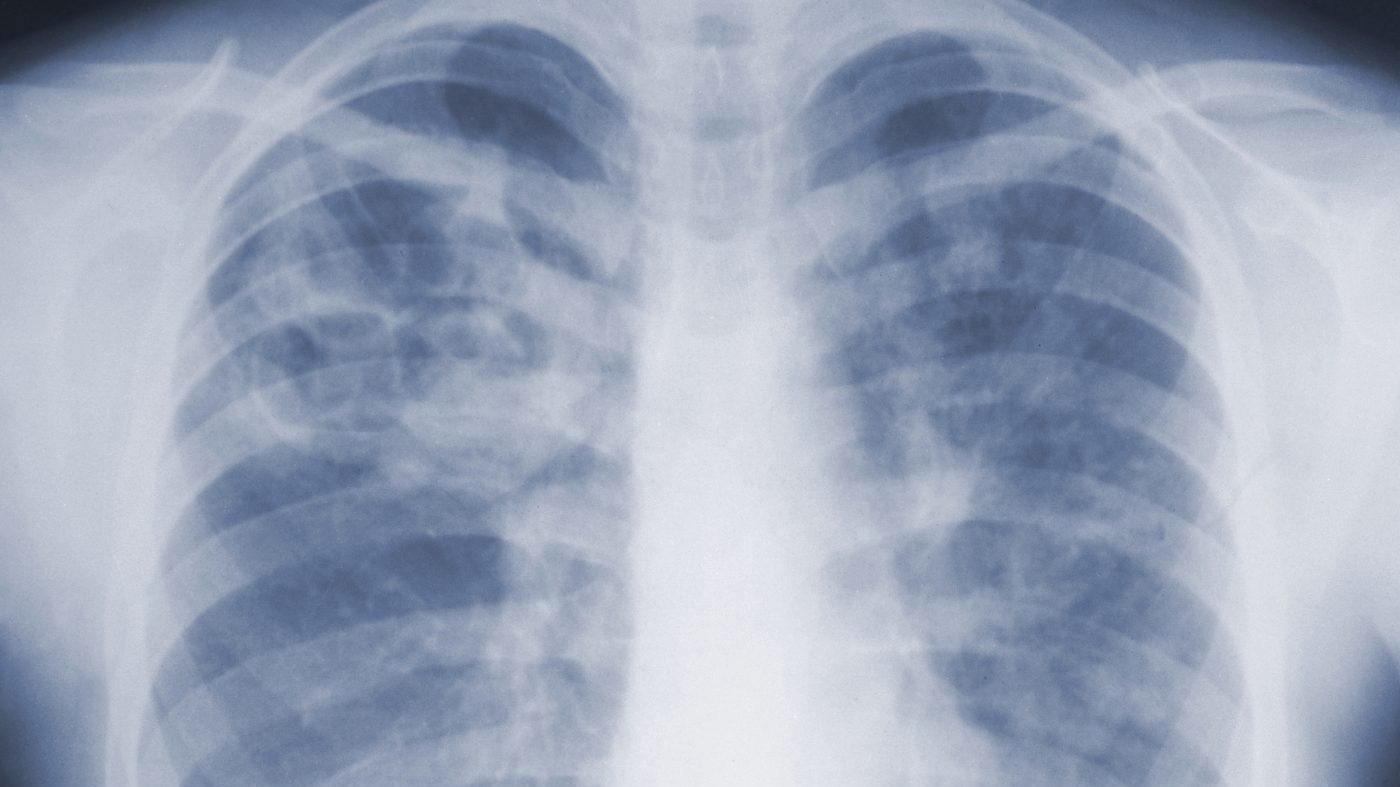
Pneumonic plague is a severe lung infection caused by the bacterium Yersinia pestis, the same pathogen responsible for bubonic plague. Unlike other forms, it is the only variant that can spread directly from person to person through airborne droplets, making it a significant public health threat.
According to the World Health Organization, symptoms include weakness, headache, fever, chills, body aches, nausea, vomiting, shortness of breath, and a cough that may produce bloody or watery sputum. These symptoms typically appear one to four days after exposure and progress rapidly.
Without prompt treatment, pneumonic plague is almost always fatal. Antibiotics are effective, but survival depends on starting treatment within 24 hours of symptom onset. The White House is closely monitoring the outbreak, and U.S. health officials are coordinating with international partners.
While bubonic plague, which affects the lymph nodes, is more common and typically transmitted through flea bites, pneumonic plague is more dangerous due to its person-to-person spread. The infamous Black Death of the 14th century, which killed over a third of Europe's population, was primarily bubonic, but modern outbreaks of pneumonic plague remain a concern.
Russian authorities have quarantined several healthcare facilities and are monitoring nearly 200 individuals who had contact with the deceased scientist. The incident has raised questions about biosafety protocols at high-containment laboratories, and U.S. and Russian officials are tracking the situation.
Public health experts emphasize the importance of rapid identification and isolation of cases to prevent wider transmission. While the risk to the general public remains low, the incident underscores the ongoing threat of emerging infectious diseases and the need for robust surveillance systems.
The case also highlights diplomatic tensions, as Russia's lack of confirmation has drawn criticism. The international community continues to urge Moscow to provide accurate and timely information to prevent misinformation and ensure a coordinated global response.