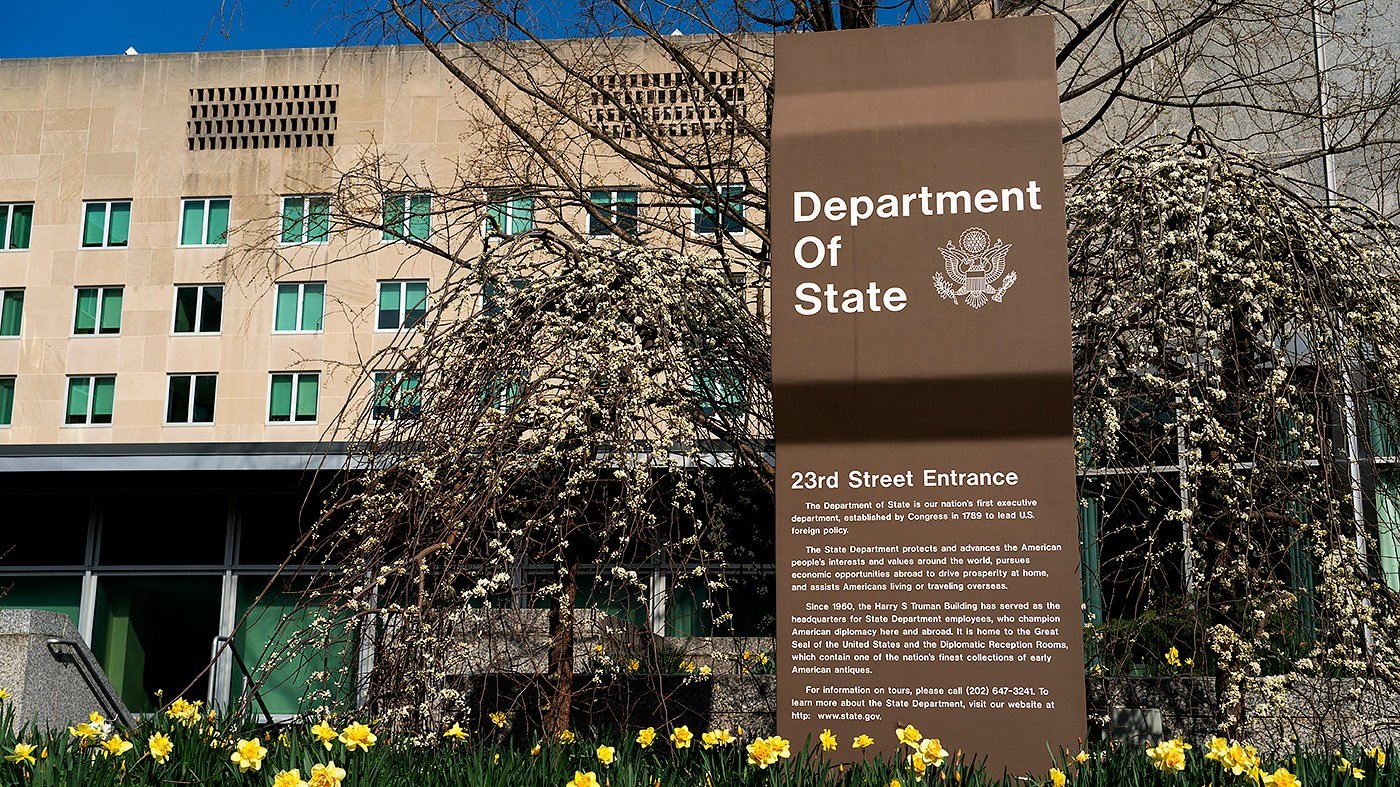
The Trump administration is closely watching reports of a suspected plague case in Russia, with the State Department confirming to NewsNation that it is monitoring the situation alongside the Centers for Disease Control and Prevention (CDC) and other federal agencies.
In a statement, a State Department official said: “We are aware of reports of a fatal case of suspected pneumonic plague in Irkutsk Oblast, Russia. We are monitoring the situation closely with the CDC and our other interagency partners.” The official stressed that “many details have not been confirmed” and called on Russian authorities to “share accurate information quickly and openly.”

The official also sought to reassure the public, noting that “plague is a known disease and is treatable with common antibiotics, especially when treatment starts early. Cases occur naturally in many parts of the world.”
According to NBC News, local media in Siberia report that roughly 200 people are under medical observation following the death of a 28-year-old laboratory worker who may have been exposed to the pneumonic plague. The worker was employed at an institute in Irkutsk that specializes in plague research.
On Sunday, Russia’s consumer welfare service said the worker died from “pneumonia of unknown etiology,” but Russian authorities have not yet confirmed the exact cause of death. The CDC describes pneumonic plague as a rare and often fatal disease that spreads through respiratory droplets from infected animals or people carrying the Yersinia pestis bacteria.
The development comes as the Trump administration has been dealing with a range of international health and security issues, including ongoing tensions with Russia over its energy infrastructure and broader geopolitical disputes. While the plague case is not directly linked to those conflicts, it adds another layer of complexity to U.S.-Russia relations.
Health experts say that while pneumonic plague is serious, it is not new and can be contained with proper public health measures. The CDC has protocols for monitoring and responding to such outbreaks, and U.S. officials are likely to continue pressing Moscow for detailed information to assess any potential risk to American citizens or global health security.
The State Department’s public acknowledgment of the situation signals that the administration is taking the reports seriously, even as it tries to avoid alarm. The official’s emphasis on early treatment and the natural occurrence of plague cases suggests a calibrated response aimed at informing the public without stoking panic.
This is not the first time the U.S. has had to monitor disease outbreaks in Russia. Previous incidents, such as anthrax outbreaks in Siberia, have prompted similar calls for transparency. The current case, however, involves a lab worker, raising questions about laboratory safety and the potential for accidental exposure.
As the situation develops, U.S. officials will likely rely on diplomatic channels to obtain more concrete data from Russian health authorities. The CDC and other agencies are on standby to provide assistance if needed, though cross-border cooperation with Moscow has been uneven in recent years.
For now, the administration’s message is one of vigilance and measured concern, with the hope that Russian officials will cooperate fully to prevent any wider outbreak.