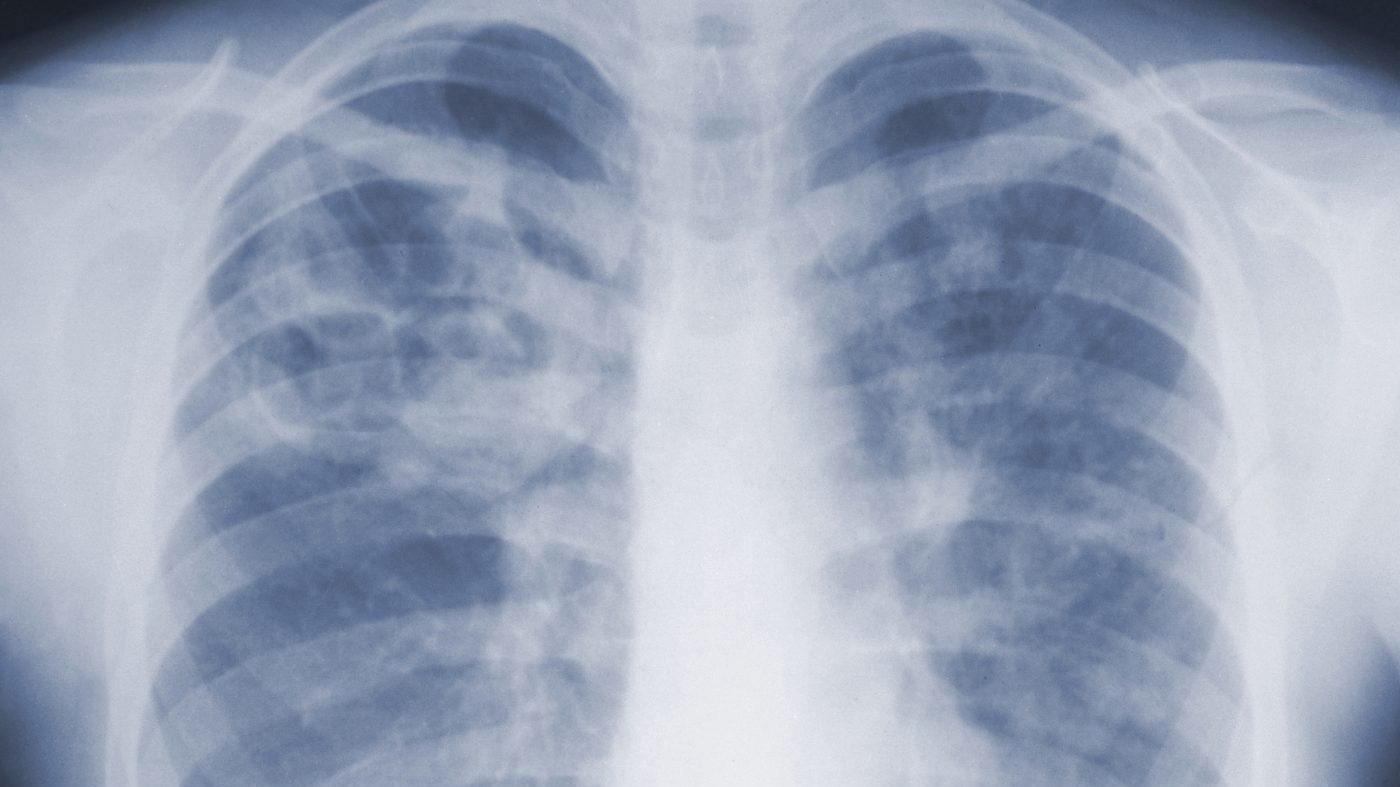
The death of a Russian scientist and the quarantine of nearly 200 people have put a spotlight on pneumonic plague, a rare but deadly disease that the White House is now monitoring. The incident occurred at a Russian anti-plague institute, where the scientist reportedly broke a test tube containing the pathogen. Moscow has not confirmed the cause of death, attributing it to pneumonia of unknown origin, but the lack of transparency has drawn criticism and concern.
Understanding pneumonic plague
Pneumonic plague is caused by the bacterium Yersinia pestis, the same pathogen responsible for bubonic plague. Unlike other forms, pneumonic plague infects the lungs and is the only variant that can spread from person to person through airborne droplets—making it a potential bioterrorism concern and a public health emergency.

The disease can also develop when bubonic or septicemic plague, typically transmitted via flea bites or contact with infected bodily fluids, spreads to the lungs. This secondary form is equally dangerous.
Symptoms and progression
Symptoms appear within one to four days after exposure and escalate quickly. They include:
- Weakness and headache
- Fever and chills
- Body aches
- Nausea and vomiting
- Shortness of breath
- A bloody or watery cough
Without prompt treatment, pneumonic plague is almost always fatal. However, antibiotics are effective if administered within 24 hours of symptom onset, underscoring the importance of rapid diagnosis and response.
Bubonic vs. pneumonic plague
Both forms stem from Yersinia pestis, but they affect different parts of the body. Bubonic plague attacks the lymph nodes, while pneumonic plague targets the lungs. Bubonic plague is more common—cases are reported annually in the U.S.—but pneumonic plague is far more severe and contagious.
Historically, the Black Death of the 1300s, which killed over a third of Europe's population, was primarily bubonic plague. Pneumonic plague, however, poses a unique modern threat due to its person-to-person transmission potential.
Russia's response and political implications
Russian authorities have quarantined several healthcare facilities and are monitoring nearly 200 people who had contact with the deceased scientist. Yet they have not officially confirmed pneumonic plague, citing pneumonia of unknown origin. This opacity has fueled calls for greater transparency, especially as the White House tracks the situation.
The incident raises broader questions about laboratory safety and international cooperation on disease surveillance. As the U.S. and Russia track the possible outbreak, the episode underscores the delicate balance between national security and public health accountability.
For now, health officials emphasize that pneumonic plague is treatable with antibiotics, but the window is narrow. The global community will be watching how Moscow handles this outbreak—and whether it shares critical data to prevent a wider crisis.