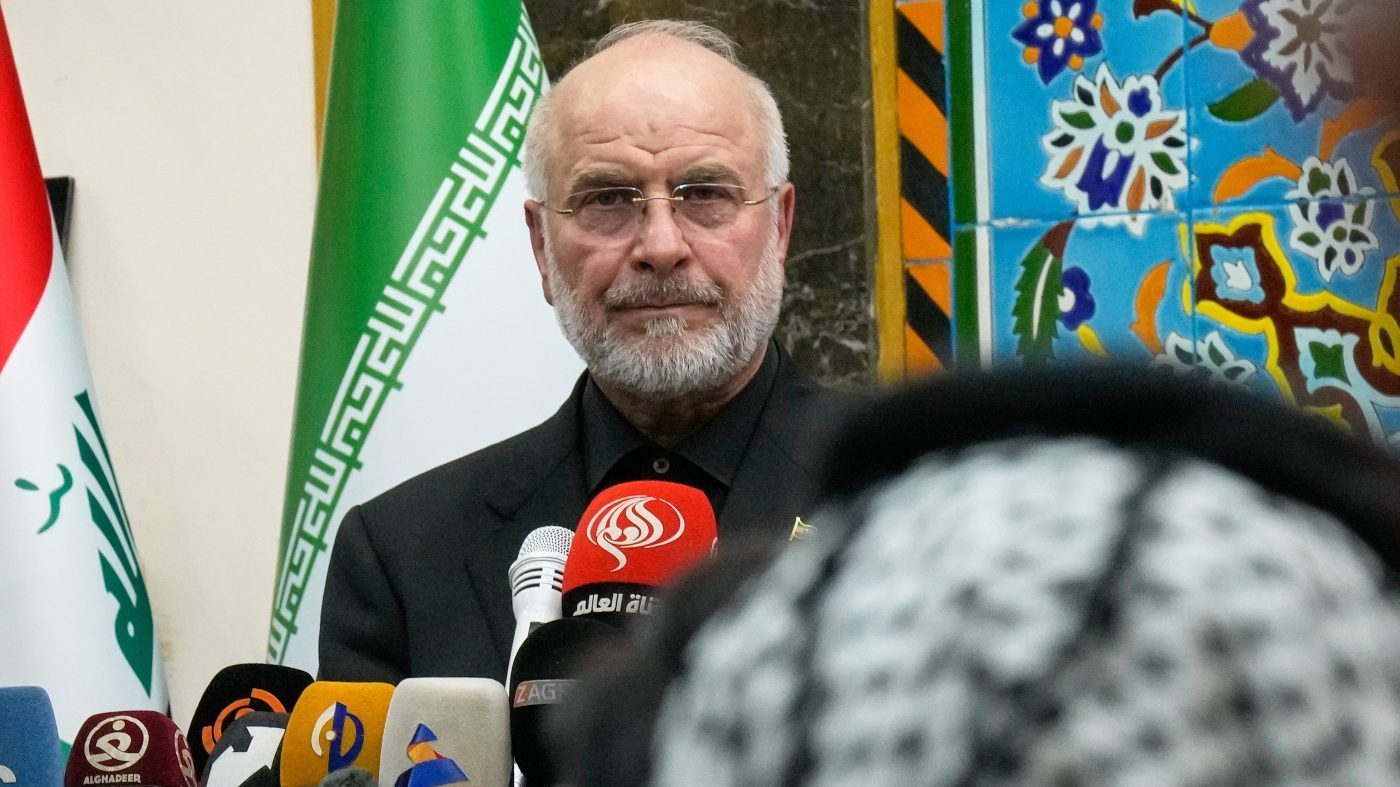
Iranian officials pushed back Friday against the latest round of US sanctions, with Parliament Speaker Mohammed Bagher Qalibaf describing them as “unjust” and urging the nation to prepare for their impact.
“We must plan for the unjust sanctions so that we can overcome them,” Qalibaf told a gathering of economic representatives in Baghdad, according to a statement shared on Telegram.
The sanctions, announced Wednesday by President Trump, are part of what he called “the most crushing economic operation ever” against Tehran. The move comes amid ongoing negotiations over the reopening of the Strait of Hormuz, a vital oil shipping route.
“This will be Economic Warfare and Isolation on an unprecedented scale,” Trump wrote on his Truth Social platform.
Treasury Secretary Scott Bessent, who had previously hinted at new measures, said he would unveil further details next week. In an interview with CNBC on Thursday, he described the strategy as a “one-two punch” combining a naval blockade with the toughest sanctions in history. “It is going to work in Iran and we are going to collapse this regime,” Bessent said.
Iran’s Foreign Ministry responded Thursday, labeling the sanctions “economic terrorism” in a statement carried by state media. The statement argued that the measures, imposed after what it described as “wars imposed by U.S.-Israeli regimes against Iran over the past year and a half,” would only add to the list of American crimes. It insisted they would have “the slightest effect on the determination of Iranians to safeguard Iran’s independence, dignity and national sovereignty.”
Major General Ali Abdollahi, chief of staff of the Iranian Armed Forces, also issued a warning on Friday, vowing a “devastating” response to any threat. “With preparedness across land, sea, air, air defence and cyberspace, Iran’s armed forces will respond to the enemy’s new threats with crushing, punishing and devastating responses,” he said, according to state media.
The escalating rhetoric comes as the US Senate has advanced its own bipartisan sanctions package targeting Russia, which also extends measures against Iran, reflecting a broader legislative push to tighten economic pressure on Tehran. Meanwhile, the administration’s strategy has drawn comparisons to its handling of other geopolitical flashpoints, such as the ongoing conflict in Ukraine, where Washington has sought to coordinate with allies.
The new sanctions are expected to have significant implications for global energy markets and international diplomacy, with analysts watching for potential retaliation from Iran, including possible disruptions in the Strait of Hormuz.