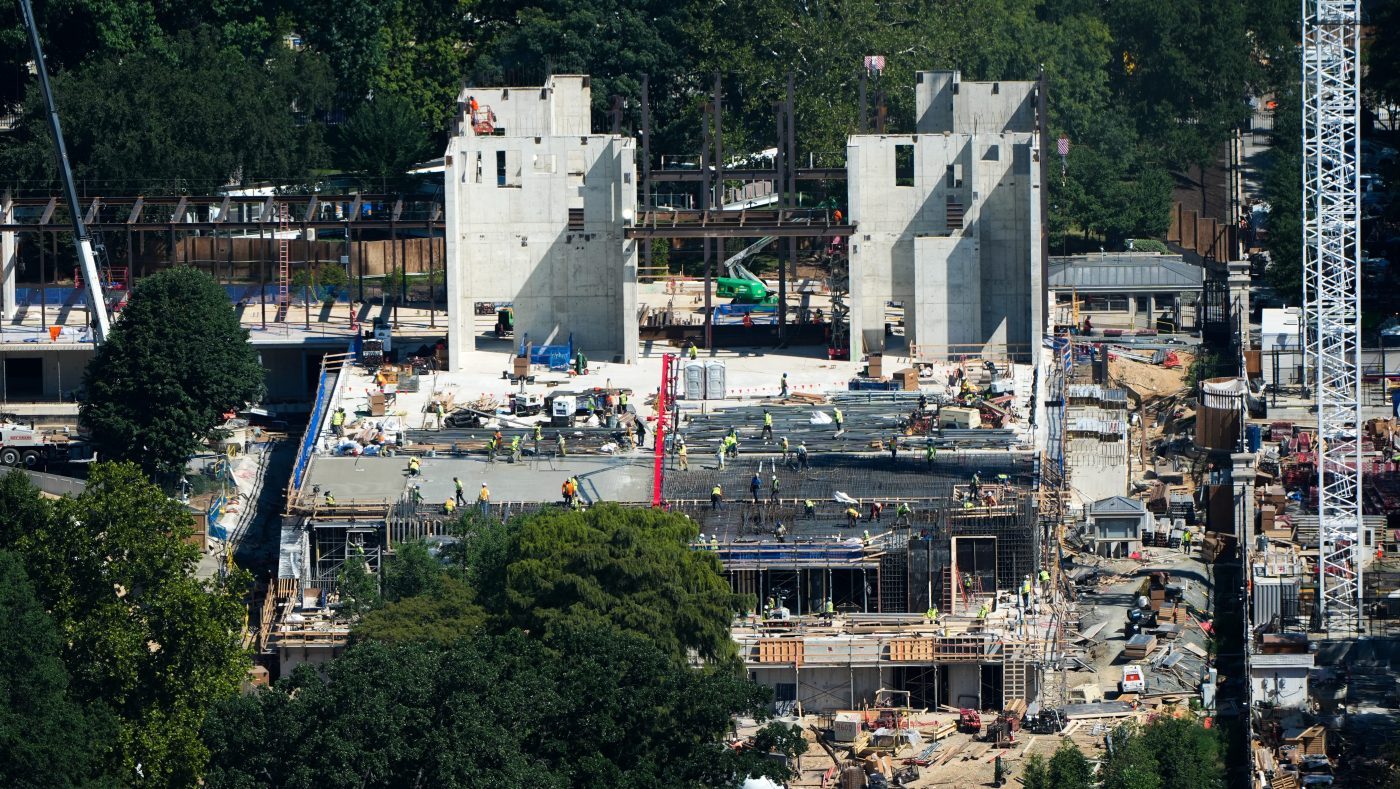
Chief Justice John Roberts on Friday issued a temporary stay that allows construction of the White House ballroom to proceed, at least for now, as the Supreme Court weighs the Trump administration's emergency request to intervene in the legal dispute.
The order blocks, at least temporarily, a lower court's directive that would have forced a halt to above-ground work on the project by the end of the day. Roberts's action gives the justices additional time to consider the administration's appeal, though it offered no reasoning and does not signal how the court might ultimately rule on the merits.
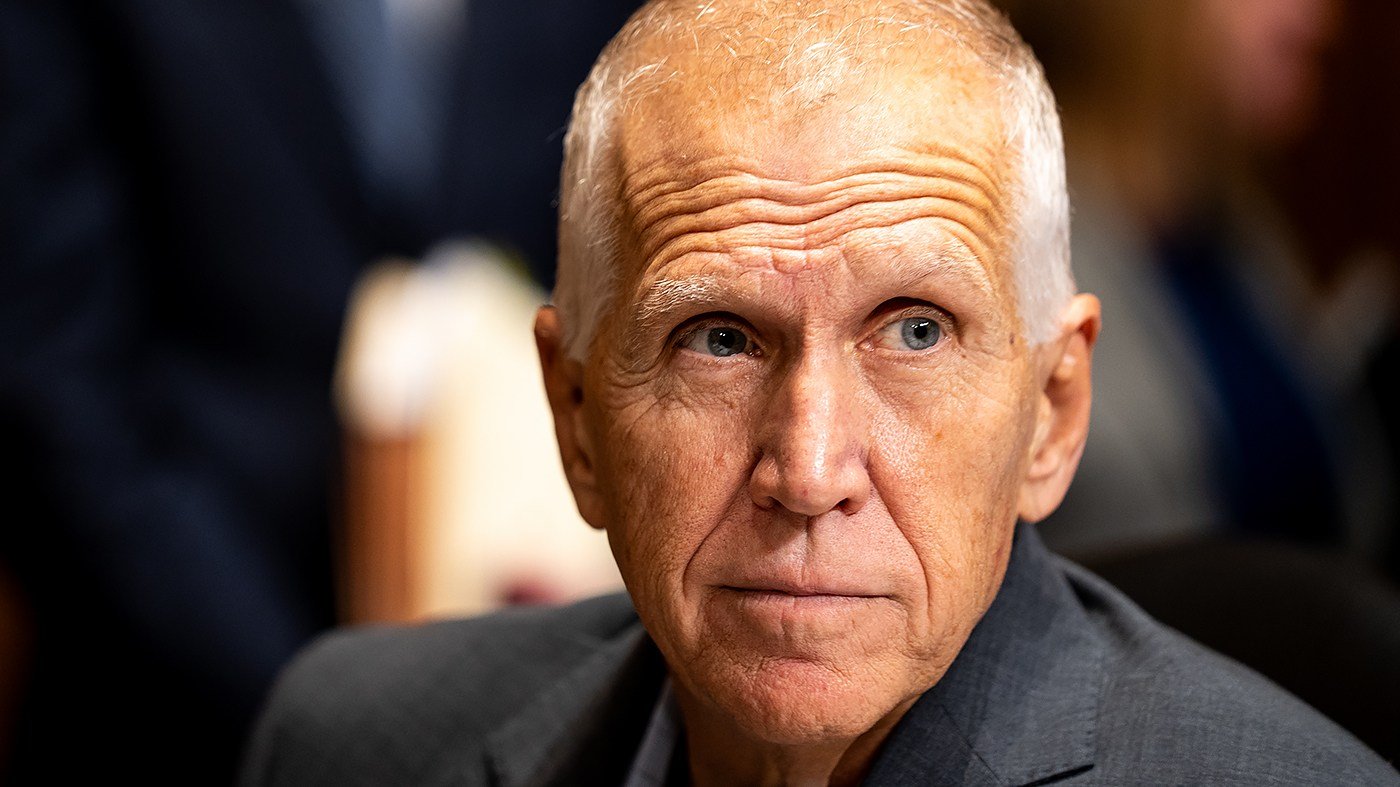
Because the case arises from the federal circuit in Washington, Roberts handled the emergency request as the justice responsible for such matters from the nation's capital. He could refer the matter to the full court for a vote, a common step in appeals filed by the Justice Department.
The administration has argued that the project must move forward for security reasons, citing a series of shootings and threats near President Trump. The Justice Department contends that the ballroom is essential to protect the president and his guests.
But the National Trust for Historic Preservation, which brought the lawsuit, argues that the project—a sprawling 90,000-square-foot addition—requires explicit congressional approval. The group successfully convinced the U.S. Court of Appeals for the District of Columbia Circuit that the administration overstepped its authority by proceeding without such authorization.
In its filings, the preservation group said that if the administration believes a ballroom is urgently needed, it can simply ask Congress to approve it. “But Petitioners’ efforts to foil judicial review and arrogate Congress’s exclusive powers should not be rewarded,” the group wrote.
The Trump administration counters that the project is lawful because it is funded with private money, and it also argues that the preservation group lacks legal standing to sue. Solicitor General D. John Sauer warned the justices that allowing the lawsuit to proceed “would open the courthouse doors to any of the millions of people who visit government buildings, historic sites, or parks and happen to think that they dislike something they see.”
The legal fight is the latest flashpoint over presidential authority and historic preservation, with the case testing the limits of executive power. The Supreme Court's decision, whether to take up the appeal or let the lower court ruling stand, could have broader implications for how presidents manage the White House grounds.
In the meantime, the temporary stay means construction crews can continue their work, at least until the justices decide the next step. A final ruling could come in the coming days or weeks, depending on how the court handles the emergency appeal.
This story is developing and will be updated as more information becomes available.