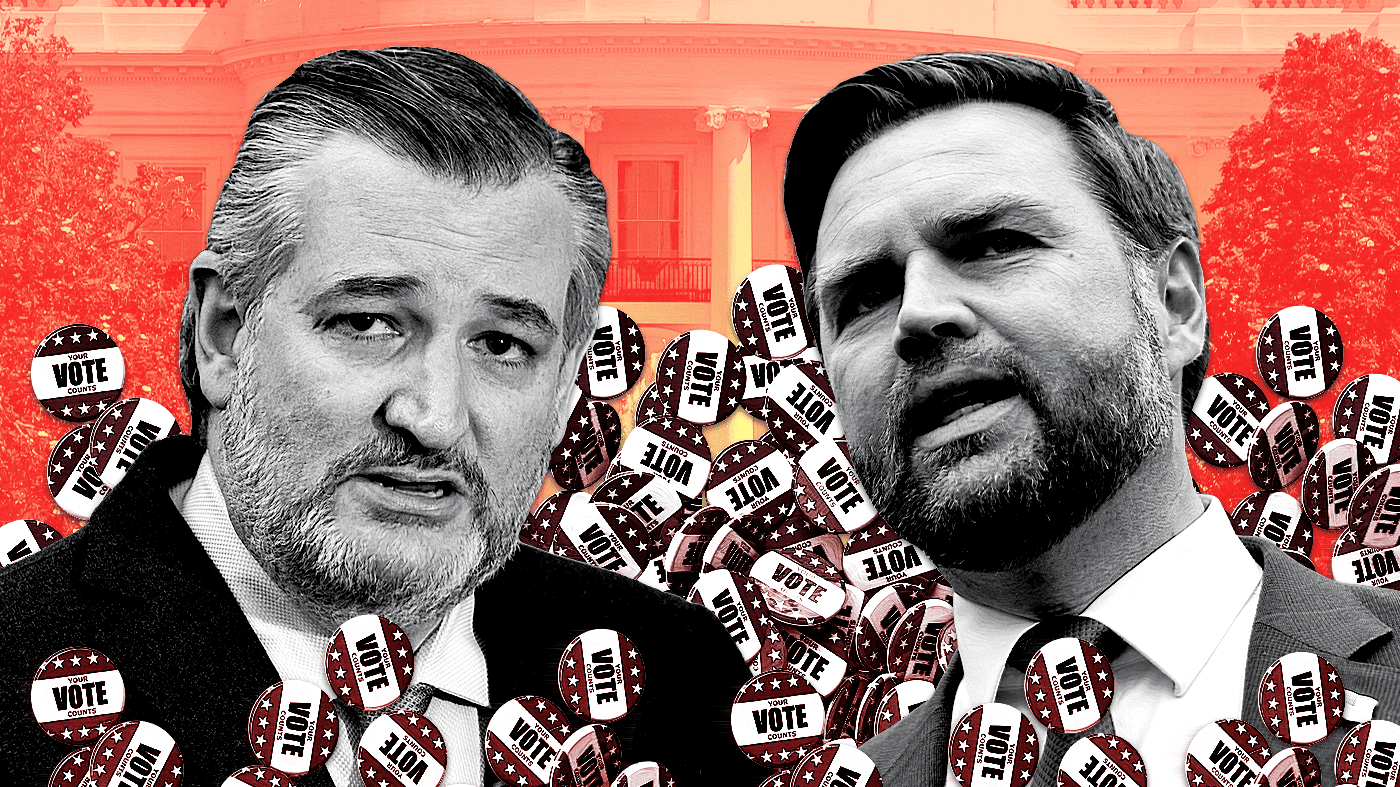
The simmering tensions between Vice President JD Vance and Senator Ted Cruz have erupted into open conflict, offering an early and unmistakable sign that the 2028 Republican presidential primary is not only underway but already turning personal. The exchange, which unfolded over the past several days, underscores the shifting dynamics within the GOP as the party braces for potentially significant losses in the upcoming midterm elections.
The friction began when Vance suggested it was “really obvious” that Cruz was positioning himself for a presidential bid. Cruz, never one to shy away from a fight, responded sharply in an interview with Politico, saying, “in my experience, people engage in political bomb-throwing when they’re feeling insecure.” He added, “So he’s welcome to make whatever comments he likes.”
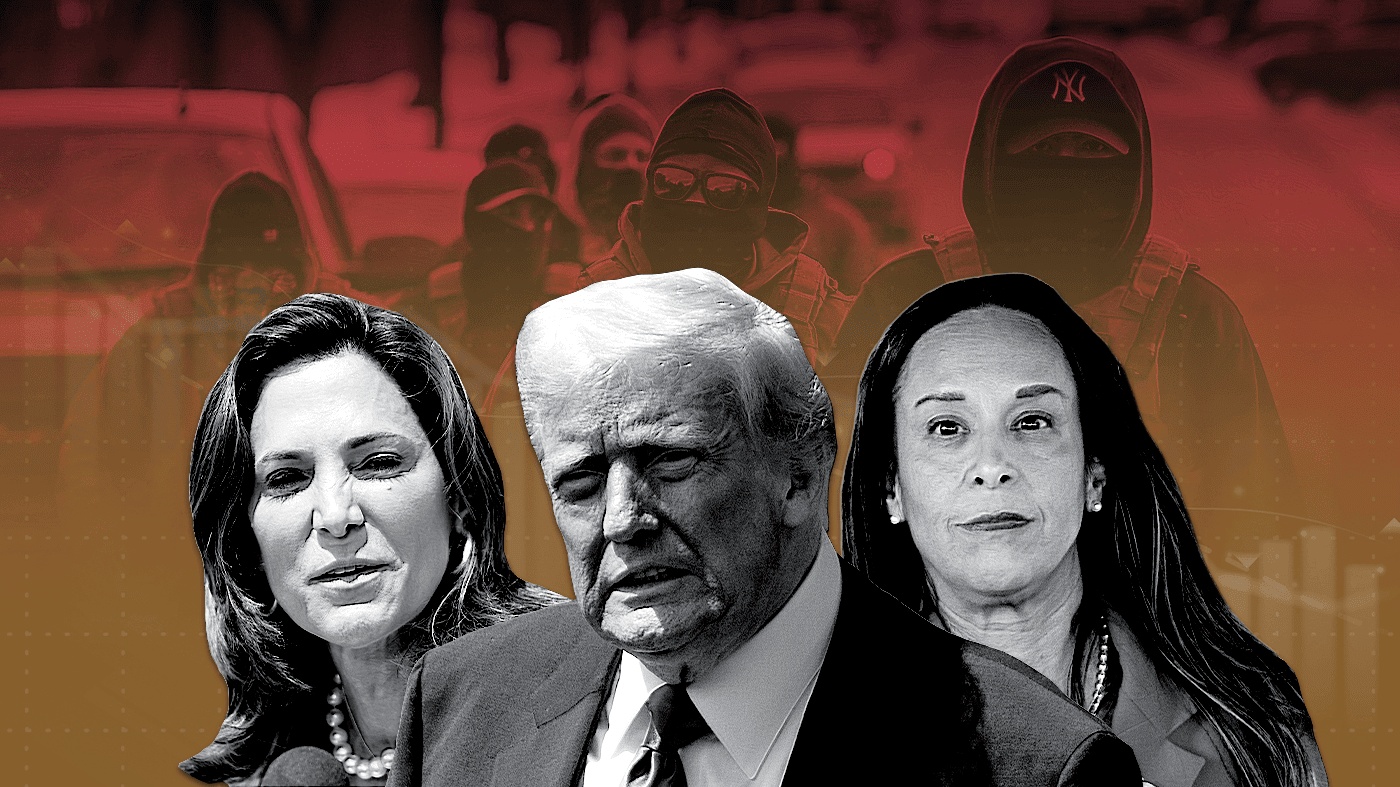
This public spat is more than just a personal clash; it reflects the broader anxiety within the Republican Party. With President Trump’s approval ratings at historic lows—driven by the ongoing war in Iran, soaring gas prices, and persistent inflation—many Republicans are worried that a disastrous midterm outcome could reshape the 2028 landscape. A Reuters/Ipsos poll from late last month showed Trump with just 32 percent approval, while an AP/NORC survey found only 26 percent approve of his handling of the economy and a mere 17 percent approve of his handling of the cost of living.
Against this backdrop, Vance finds himself in a precarious position. As a sitting vice president, he must navigate the delicate balance of defending the administration’s record while also building his own political identity. Republican strategist Susan Del Percio, who is not a Trump supporter, noted, “Vance should be insecure because of Donald Trump’s poll numbers and the fact that at this point Trump isn’t even willing to commit to his vice president is very telling.” She added, “There is no winning for JD Vance. He’s either too Trump or not enough Trump. And Cruz has found his moment to play on a no-win situation for JD Vance.”
Indeed, Cruz appears to be capitalizing on Vance’s dilemma. “If you’re Cruz it’s just good politics,” Del Percio said. “He’s found a weak spot and he’s not letting go.” A Trump administration official, however, suggested that Cruz might be taking early shots because he recognizes an uphill battle against Vance, who still enjoys the support of Trump’s political network.
Republicans privately acknowledge that Vance faces a tough road if the party suffers heavy losses in November. “He is in an unenviable position, especially if we lose the way many are expecting,” said one Republican strategist, speaking on condition of anonymity. “It’s going to be tough for him to distance himself from anything the administration has done. And the second he begins attacking Trump, he has lost his endorsement and he knows it.” A former Trump campaign aide echoed that sentiment, noting that Vance currently has “the support of Trumpworld, and likely access to Trump’s resources.”
But the administration’s vulnerabilities are opening doors for other potential contenders, including Cruz, who can more easily distance themselves from unpopular policies. “I think that’s why you’re starting to see the attacks coming in hot,” the strategist said. “And if we lose, it’s going to get ugly pretty quickly and I think some other folks might be revving up to enter if that happens.”
Secretary of State Marco Rubio is frequently mentioned as a leading contender for 2028, but he has sought to avoid the turmoil engulfing the administration. While many cabinet members attended a GOP convention in Dallas last month, Rubio was on a diplomatic trip to Colombia. When asked if he was a formidable candidate, Rubio demurred, saying, “I don’t know what the future holds, but I have no plans at this time. I’m 100 percent focused on my jobs.”
Despite his public stance, some strategists hope for a Rubio candidacy. One such strategist told The Hill that Rubio has been telling donors he’s not running. Meanwhile, the political jockeying is likely to intensify as the midterms approach, with Trump’s political action committees pouring over $100 million into battleground races, a sign of the high stakes. The outcome could either bolster Vance’s position or embolden rivals like Cruz, who see an opening in the president’s weakness.
As Del Percio predicted, the fights will only get bigger. With the midterms looming and Trump’s approval ratings showing no signs of recovery, the 2028 primary may be shaping up to be one of the most contentious in recent memory. For now, the gloves are off, and the battle for the soul of the Republican Party is just beginning.