ROUND ROCK, Texas — The parents of a nine-year-old girl killed in the Robb Elementary massacre used a national gathering of first responders to press for better hospital readiness in the face of mass shootings, hoping their daughter's death will spur systemic change.
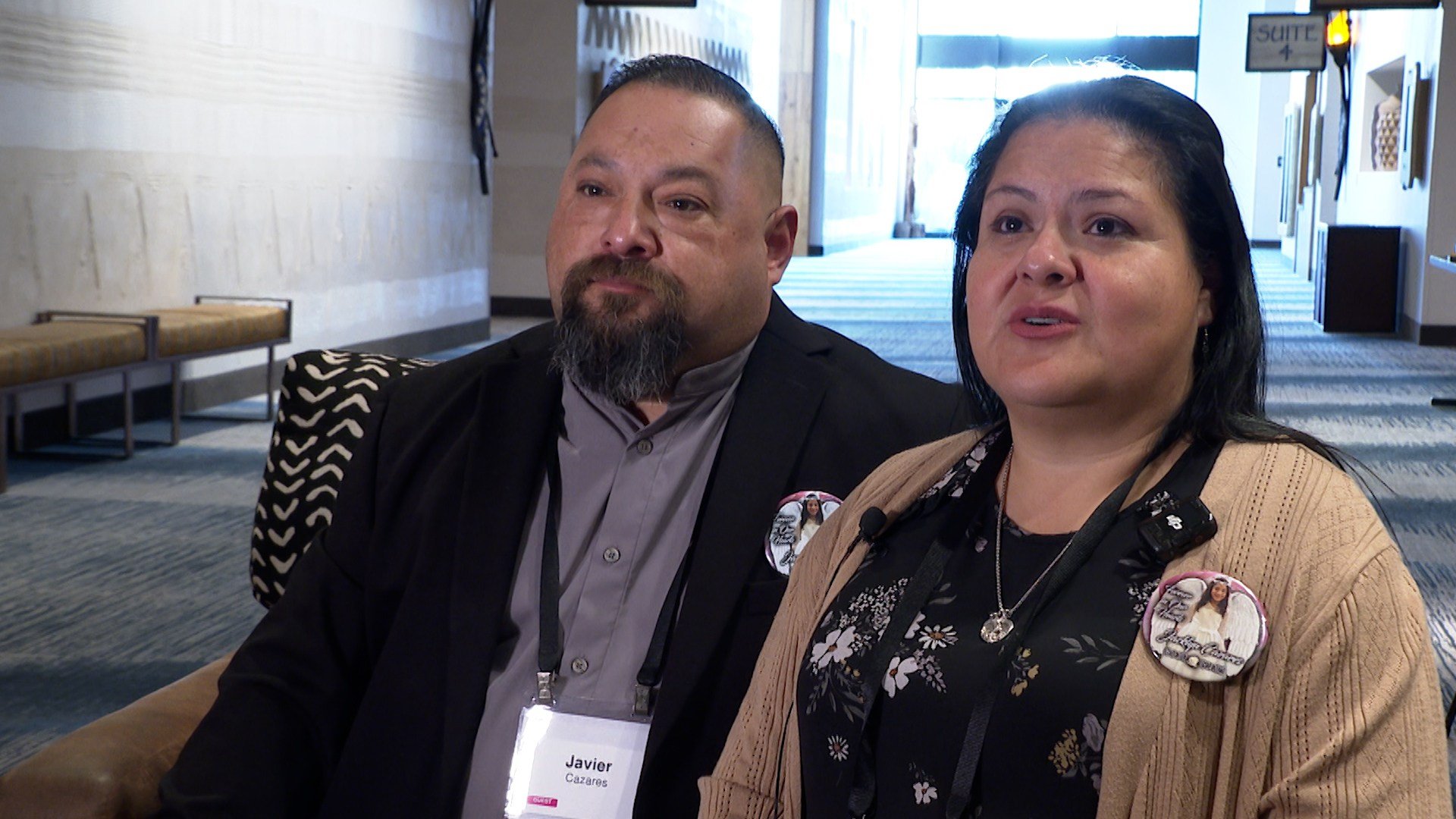
Javier Cazares, his voice cracking as he wiped tears, described the agonizing moment he and his wife, Gloria, identified the body of their daughter, Jackie, one of 19 students and two teachers fatally shot by an 18-year-old gunman in Uvalde on May 24, 2022. The couple spoke Tuesday before a room of emergency medical technicians, paramedics, and hospital administrators from across the country, recounting the chaos and confusion that marked the response to the deadliest school shooting in Texas history.

Their appearance at the conference in Round Rock was not merely a retelling of grief, but a pointed call to action. The Cazareses argued that hospitals and emergency systems remain dangerously underprepared for the kind of mass casualty event that unfolded in their small town, where a single shooter inflicted catastrophic harm in a matter of minutes. They urged attendees to treat their story as a warning and a blueprint for reform.
"We don't want any other family to go through what we went through," Javier said, his voice thick with emotion. "When we got to the hospital, there was no clear plan. We didn't know where to go or who to ask. That has to change."
The couple's remarks come amid a broader national debate over hospital emergency protocols and the role of medical facilities in active-shooter scenarios. While law enforcement tactics have received intense scrutiny since Uvalde — with the delayed police response drawing widespread criticism — the Cazareses argue that hospitals are the overlooked front line in saving lives after the shooting stops.
Gloria Cazares, seated beside her husband, described how families were left to fend for themselves in the hospital parking lot, receiving little guidance as they waited for news of their children. She said the lack of a coordinated triage system and clear communication between first responders and hospital staff compounded the trauma.
"We were in the dark," she said. "We didn't know if Jackie was alive or dead. No one came to tell us anything. That's not acceptable."
The couple is now channeling their grief into advocacy, calling on hospitals to conduct regular mass casualty drills, integrate with local emergency management, and establish family reunification centers. Their push aligns with recent efforts by some lawmakers to strengthen emergency response infrastructure, though progress has been uneven.
First responders at the conference, many of whom have dealt with their own mass casualty incidents, listened in silence as the Cazareses spoke. Several later told Nexstar that the couple's story underscored a persistent gap in preparedness, one that often becomes apparent only when it is too late.
For the Cazareses, the mission is clear: ensure that no other parent has to endure the confusion and helplessness they felt on the worst day of their lives. "If our story can save one life, or help one hospital be ready, then Jackie's death won't be in vain," Javier said.
The couple's plea arrives as the country continues to grapple with the aftermath of Uvalde, where a federal investigation and ongoing legal battles have kept the shooting in the public eye. But for the Cazareses, the focus remains on the practical steps that can be taken now to prevent future tragedies from becoming even more devastating.