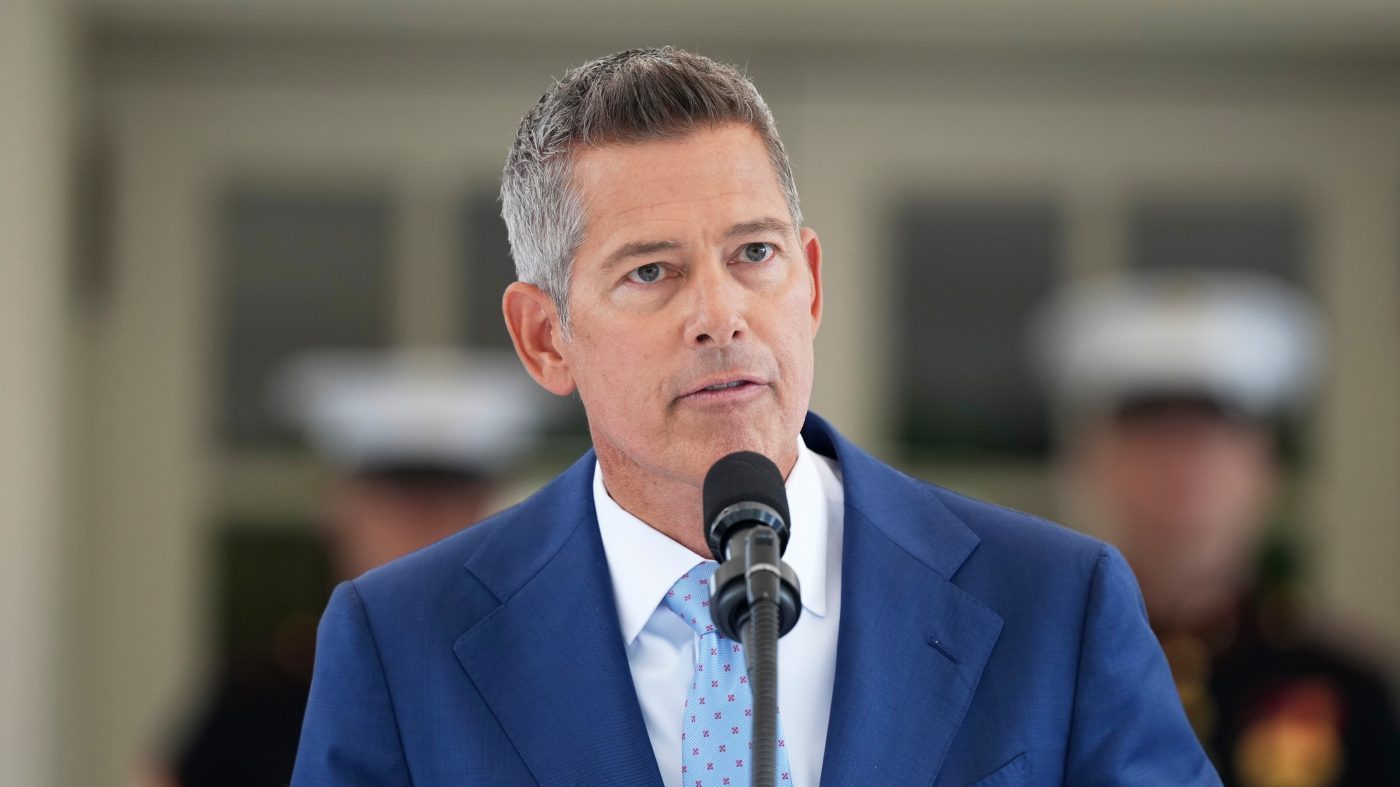
Transportation Secretary Sean Duffy is set to deliver remarks in Washington on Tuesday, stepping into the spotlight as aviation safety concerns mount and pressure builds over the Federal Aviation Administration's aging infrastructure. The address comes just days after a nationwide ground stop disrupted air travel, reigniting debates about the agency's readiness.
Duffy will be joined by relatives of the victims of the January 2025 midair collision near Reagan National Airport, a tragedy that claimed 67 lives. The presence of the families underscores the human stakes behind the policy fight, as the administration seeks to translate grief into legislative action.

The deadly crash has sharpened scrutiny on the FAA, exposing chronic staffing shortages, outdated technology, and systemic underinvestment. Critics have long warned that the agency's air traffic control system relies on legacy software and equipment that are increasingly prone to failure.
In his remarks, Duffy is expected to press Congress for an additional $50 billion to modernize the nation's air traffic control infrastructure. This request follows a demand for $50 billion to replace the aging system, a figure that has drawn both support and skepticism on Capitol Hill.
The press conference, scheduled for 11:45 a.m. EST, will be closely watched by lawmakers, industry stakeholders, and the flying public. Duffy's appearance comes amid a broader political battle over FAA funding, with some Republicans echoing his calls for investment while others question the price tag and the pace of reform.
This is not the first time Duffy has faced questions about the FAA's shortcomings. Earlier this week, he blamed Congress and past administrations for the nationwide flight halt, arguing that decades of underfunding have left the agency in a precarious state.
The fallout from the ground stop continues to shadow the administration, with Democratic lawmakers and watchdog groups demanding accountability. Some have pointed to the FAA's reliance on third-party vendors and questioned whether recent technology upgrades were properly vetted.
Tuesday's event also carries political weight as the administration seeks to project competence on a core infrastructure issue. With the 2026 midterm elections looming, Republicans are eager to frame themselves as the party of modernization, while Democrats are poised to attack any perceived failures in oversight.
For the families of the crash victims, the moment is deeply personal. Their presence at the press conference signals a demand for action, not just words. Whether Duffy's $50 billion ask gains traction in a divided Congress remains uncertain, but the pressure is mounting on all sides.
As the nation watches, the question is whether this moment will lead to tangible reforms or become another chapter in a long-running saga of neglected infrastructure. The answer may hinge on how effectively Duffy can translate grief and public frustration into political capital.