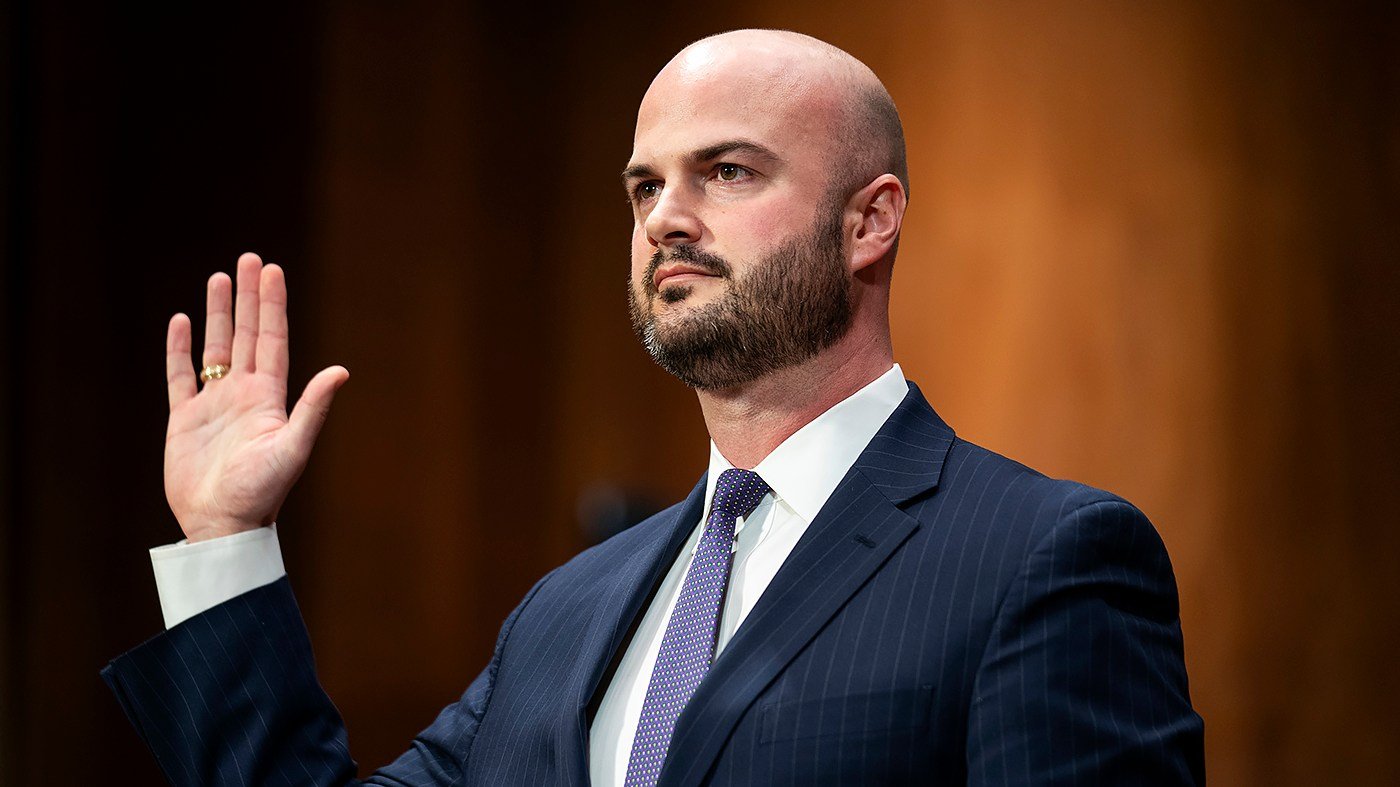
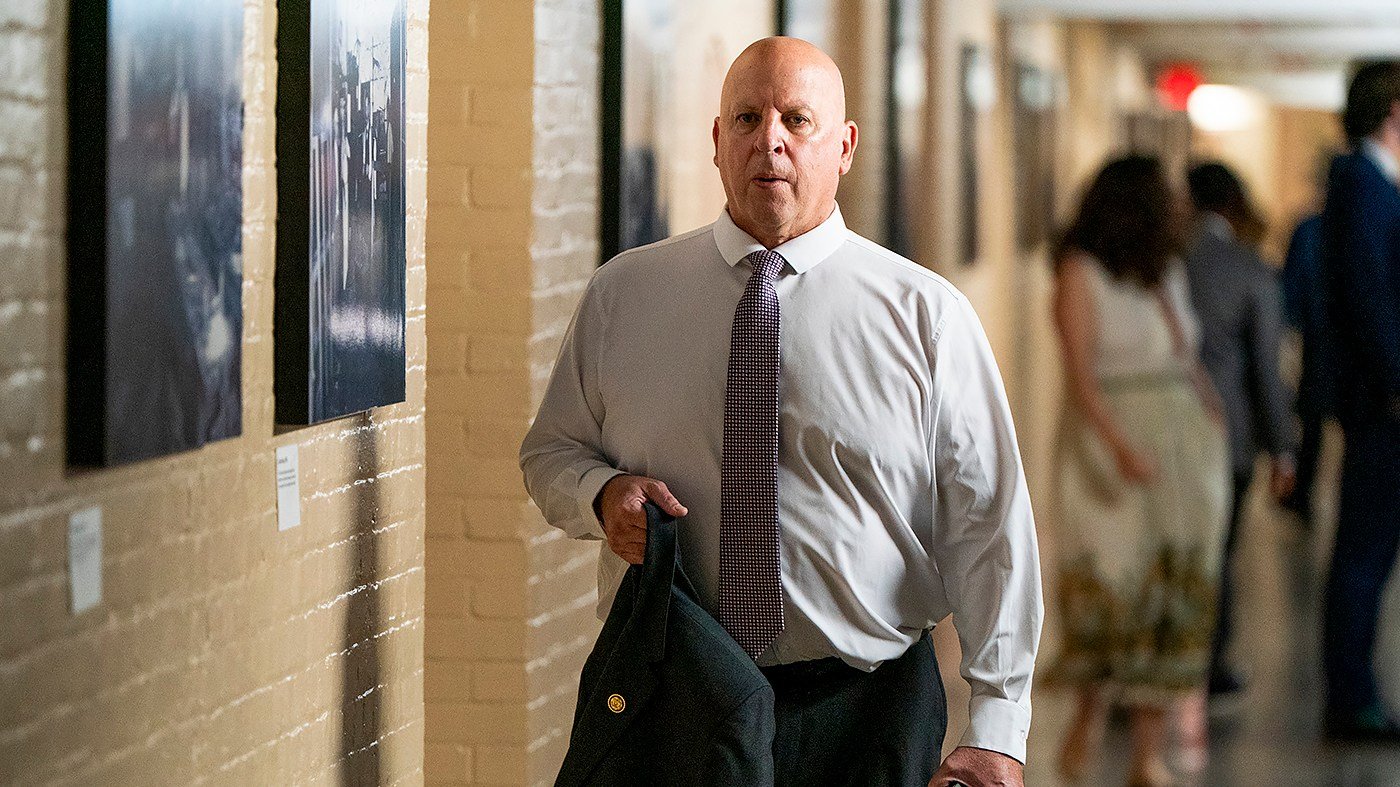
Transportation Secretary Sean Duffy on Friday pinned the nationwide ground stop on decades of underinvestment in air traffic control, pointing fingers at both Congress and previous administrations. Defending the Federal Aviation Administration's continued reliance on L3Harris—the contractor at the center of the outage—Duffy argued the agency has no easy exit from its contractual obligations.
"We can't just tear up a contract and walk away," Duffy said, insisting that the FAA is working to hold L3Harris accountable while maintaining safety. His remarks come as lawmakers on both sides press for answers, though some, like Sen. Markwayne Mullin, have signaled that no immediate firings are expected over the incident.
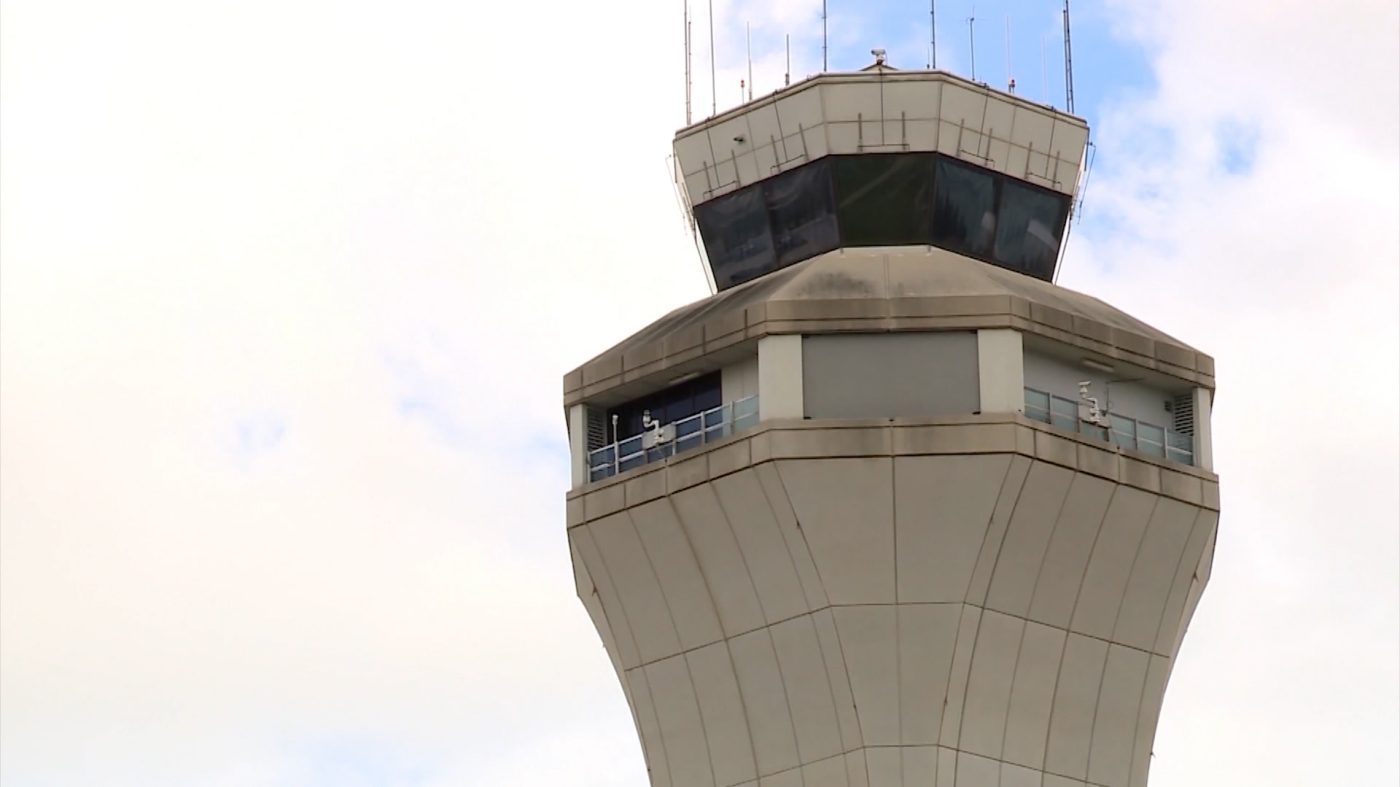
The ground stop, which briefly halted flights nationwide, has reignited calls for a major modernization push. Some Republicans, including House Speaker Mike Johnson, are resisting a formal investigation but backing a $50 billion infrastructure upgrade. Duffy echoed that urgency, laying blame on years of "deferred maintenance" and "incremental funding" that left the system vulnerable.
Meanwhile, the political turbulence extends beyond aviation. Commerce Secretary Howard Lutnick is under scrutiny over his handling of AI chip export controls, as the Nvidia scandal deepens. The resignation of Nvidia CEO Jensen Huang—reported as Alice Huang's exit in some outlets—has intensified questions about whether the administration mishandled sensitive technology transfers to China. Treasury Secretary Scott Bessent has publicly voiced frustration with the Commerce Department, adding to the discord as President Trump heads to Asia for the ASEAN summit in Manila.
The Nvidia affair threatens to overshadow Trump's diplomatic engagements, with analysts warning it could complicate trade talks and regional security discussions. The president's itinerary includes a stop at the APEC summit in Shenzhen, where the chip controversy is likely to be a flashpoint.
Back in Washington, the battle over Senate Democratic leadership is heating up. Sen. Chris Van Hollen (D-Md.) dismissed a report from The Hill predicting Minority Leader Chuck Schumer would secure more than 40 votes in the party's internal contest, calling it "a bunch of nonsense." The leadership race is shaping up as a test of the party's direction after a bruising election cycle.
Trump, for his part, is also locked in a legal fight over a federal judge's ruling that blocked the Interior Department from closing East Potomac Park, part of his golf course renovation plans. The president vowed to appeal, calling the decision an overreach.
As the week unfolds, the administration faces a triple threat: the FAA's operational credibility, the Nvidia scandal's national security implications, and a restive Democratic caucus. For now, Duffy's defense of the status quo may do little to quell critics who argue the system is long overdue for a reboot.