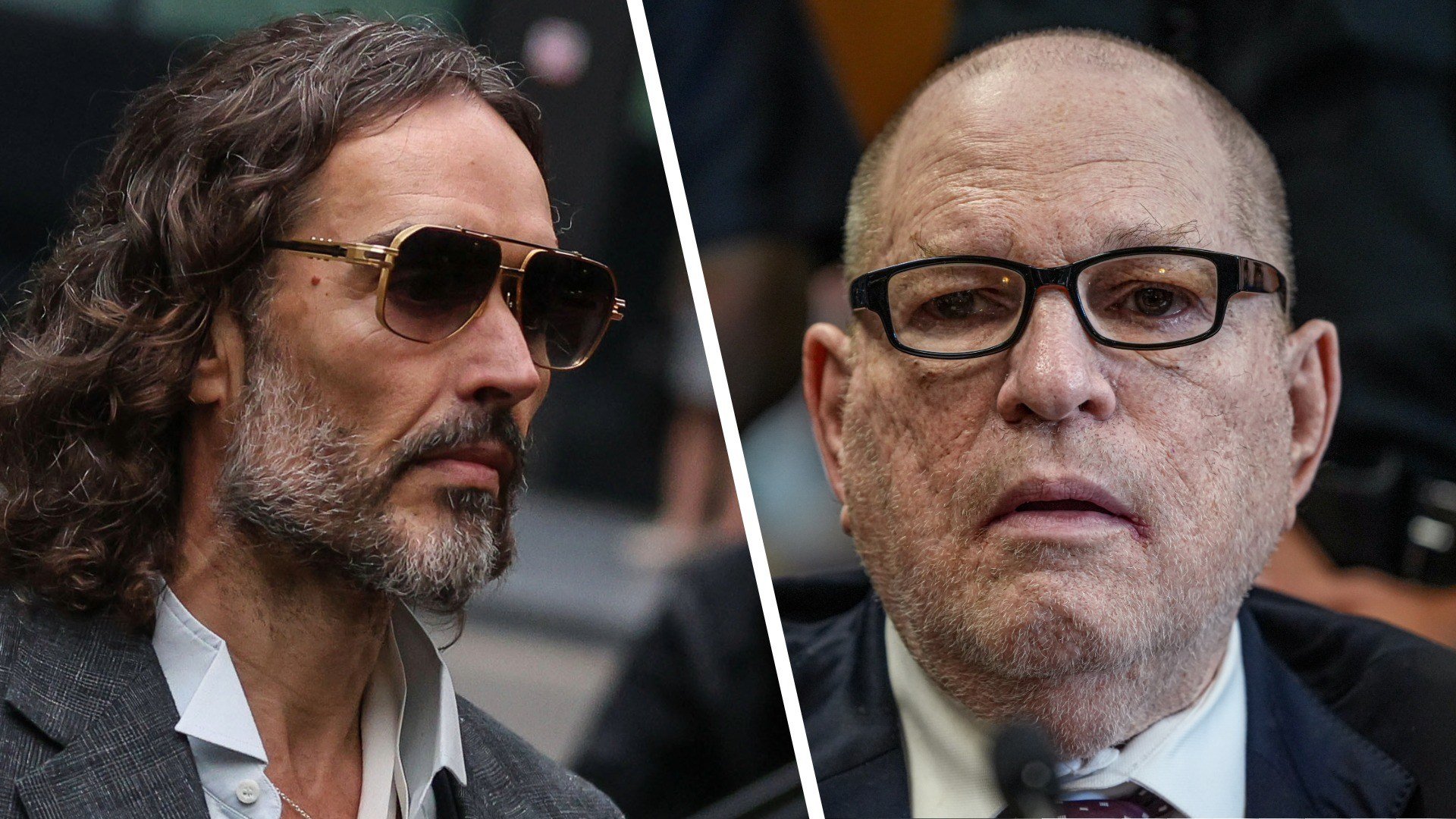
The downfall of Russell Brand—once a chart-topping comedian and film star—has sent shockwaves through the entertainment industry. After a U.K. jury convicted him of rape and sexual assault, a judge handed down a 10.5-year prison sentence. For many in the public, the verdict was the first they had heard of the allegations. But behind the scenes, Brand's behavior was an open secret, long whispered about in Hollywood circles.
Now, as Netflix releases a documentary titled Russell Brand: Open Secret, the uncomfortable question resurfaces: Why did an industry that for years shielded Brand—and others like Harvey Weinstein—turn around and profit from their stories?
A Persona Built on Predation
Brand's entire public image was steeped in sexual bravado. His stand-up routines, radio segments, and film roles often leaned into a deliberately inappropriate, boundary-pushing character. That persona, according to Los Angeles Magazine contributor Lauren Conlin, gave him a dangerous shield.
“It 100% helped him. I think that his public persona. He's this sexual guy, he's outrageous, he's deliberately inappropriate, he's so funny,” Conlin said. “It just gave him this remarkable amount of cover. Some people would just say, 'Oh, you know, that's just Russell being Russell.'”
Conlin argues that Brand treated his predatory behavior as a joke, believing his fame would insulate him from consequences. The conviction, however, shattered that illusion.
Silence in a Small Industry
Despite the widespread knowledge of Brand's alleged misconduct, few were willing to speak publicly. Comedian Daniel Sloth was a rare exception, openly discussing the long-standing rumors. But even after Brand's arrest and trial, many in the industry remained tight-lipped.
Conlin attributes this to the insular nature of Hollywood. “I think it's tough just because these industries are actually small,” she said. “They hear these things thirdhand,” and often hesitate to comment on matters they haven't directly witnessed.
“Some people also just want to mind their own business,” she added. “I am wondering who else is going to come out and be like, look, I should have said something.”
The Weinstein Parallel
Brand's case echoes the Harvey Weinstein scandal, where decades of abuse were tolerated and covered up by an industry that valued power and profit over accountability. The same system that enabled these men is now producing documentaries and films about their crimes, raising ethical questions about exploitation and complicity.
As Brand maintains his innocence from prison, the industry faces a reckoning. Will this conviction prompt genuine change, or will it be another fleeting moment of outrage?
For now, the silence speaks volumes.