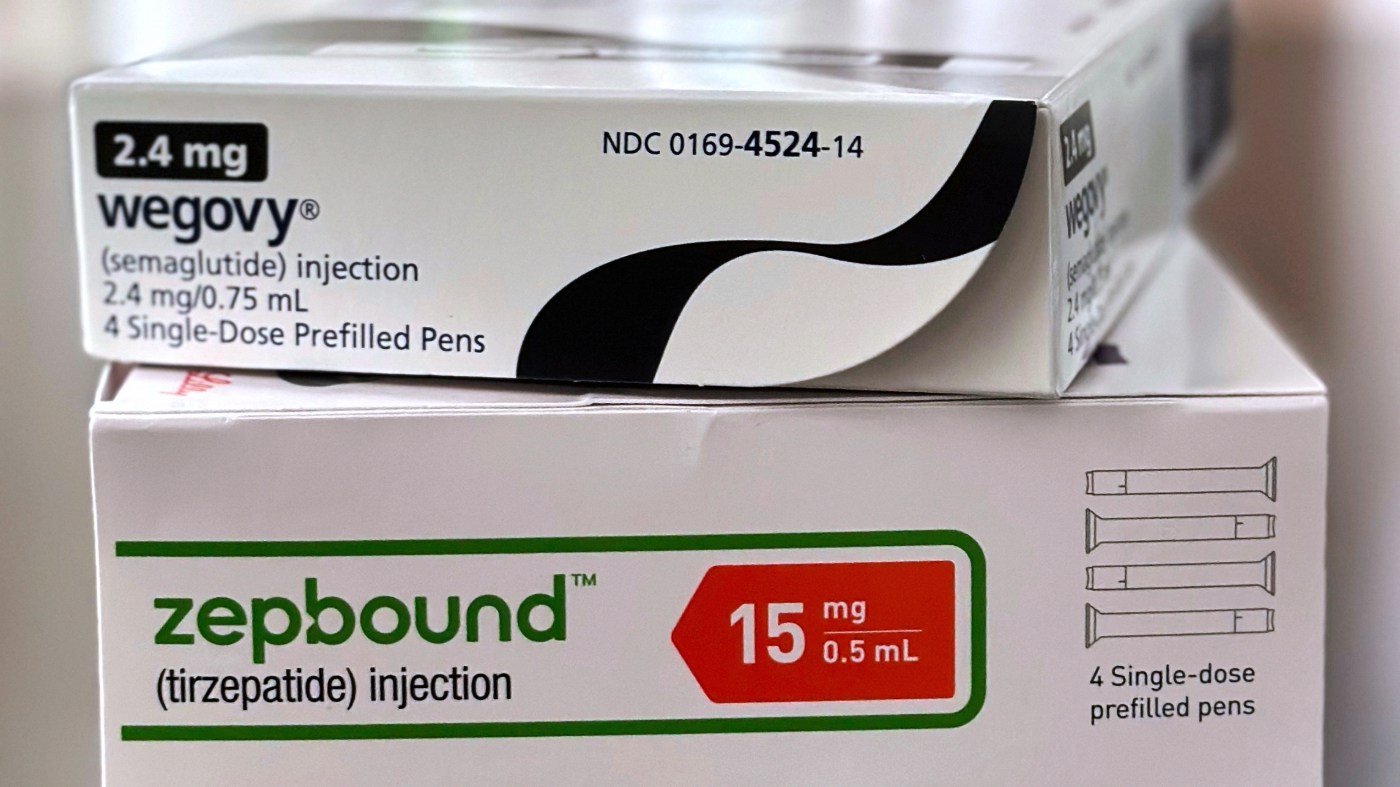
The Food and Drug Administration has directed manufacturers of GLP-1 medications—including blockbusters like Ozempic and Zepbound—to update their product labels with an explicit warning about a rare but devastating eye condition. The move, announced via a drug safety communication, marks a significant regulatory shift that could reshape how these widely used therapies are prescribed and perceived.
At issue is non-arteritic anterior ischemic optic neuropathy (NAION), a condition where sudden blockage of blood flow to the optic nerve causes painless, irreversible vision loss. There is currently no treatment to reverse the damage. The FDA’s decision follows a review of clinical trials, post-marketing data, and adverse event reports, which identified documented cases across all marketed GLP-1 drugs. This brings the United States in line with regulators in Europe, the United Kingdom, Japan, and Australia, which had already mandated similar warnings.

The statistical risk appears minuscule: an FDA analysis of clinical trial data from over 134,000 patients found about 6.4 cases of NAION per 100,000 people taking GLP-1s, compared to 3.8 cases in control groups. Drug advocates argue that a difference of fewer than three cases per 100,000 is negligible next to the substantial metabolic and weight-loss benefits. But physician leaders and patient safety advocates counter that with an estimated 45 to 48 million Americans having used these medications, even a tiny statistical variation translates into thousands of real people facing permanent blindness.
The tipping point for federal scientists was a landmark study published in JAMA Ophthalmology that first flagged the heightened risk profile. That study, along with accumulating real-world evidence, prompted the FDA to act. The agency’s mandate is a class-wide requirement, applying to all GLP-1 drugs, not just the most popular ones.
This regulatory action lands amid a mounting legal crisis for the pharmaceutical industry. Dozens of personal injury lawsuits filed by patients who suffered permanent eye damage have been consolidated into a federal mass tort case in Pennsylvania. The plaintiffs allege that manufacturers saw early signals of vascular eye damage but omitted them from product labels, depriving patients of informed consent. Drugmakers are pushing back vigorously.
Novo Nordisk, the maker of Ozempic and Wegovy, contends that current observational data cannot prove direct biological causation. Their legal team argues that the very conditions driving people to take GLP-1s—such as type 2 diabetes, severe obesity, and high blood pressure—are already independent, well-documented risk factors for eye diseases. This defense is central to the litigation, but the FDA’s new labeling requirement could complicate their position.
For the past several years, the cultural conversation around GLP-1s has been heavily commercialized, dominated by celebrity endorsements and digital health ads. This casual framing has obscured a hard truth: these are potent, systemic medications that affect multiple organ systems. The FDA’s class-wide mandate is a necessary policy correction, forcing the medical community to treat these therapies with clinical gravity instead of casual enthusiasm.
True medical progress cannot be measured solely by market adoption or quarterly revenue, but by complete transparency and patient safety. As the legal battles unfold and more data emerges, the medical community will need to balance the undeniable benefits of GLP-1s with the newly acknowledged risks. For now, the FDA’s action is a clear signal that regulators are watching closely—and that patient safety takes precedence over commercial momentum.