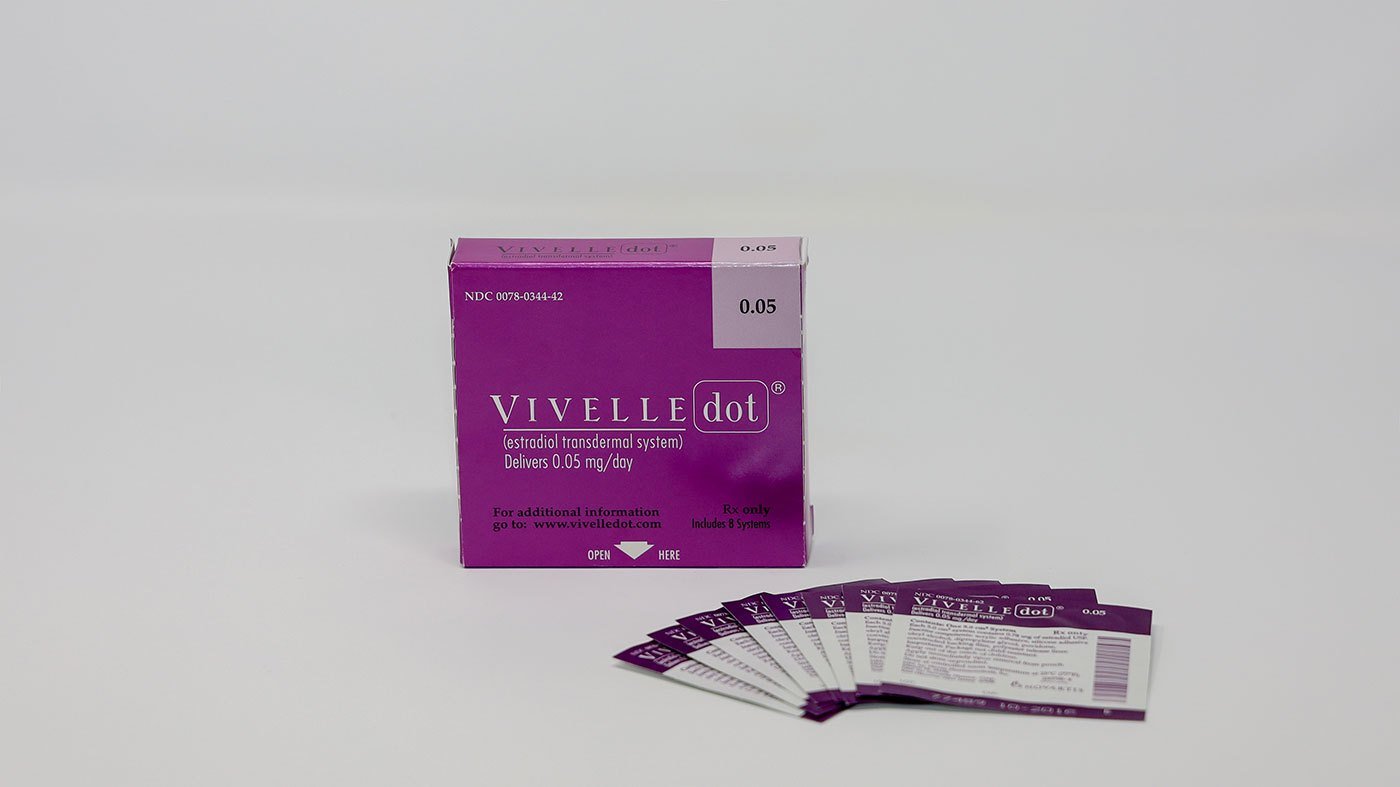
The pharmaceutical industry is raising alarms over a persistent shortage of estrogen patches in the United States, as manufacturers scramble to meet a surge in demand triggered by federal regulatory changes earlier this year. Despite these warnings, the Food and Drug Administration (FDA) has yet to officially recognize the supply gap.
Manufacturers first flagged supply issues after the Department of Health and Human Services (HHS) in November removed the black box warning on estradiol-containing patches, which had previously cautioned that the medication could accelerate existing breast cancers. That action, coupled with a broader cultural shift in how menopause is discussed, has driven a sharp increase in prescriptions for hormone replacement therapy (HRT).

The American Society of Health-System Pharmacists (ASHP), which tracks drug shortages at the manufacturing level, currently lists more than a dozen estradiol patch products from five manufacturers as being in short supply. Sandoz, a major producer, accounts for the largest share of affected patches.
“Unfortunately, the market is currently experiencing supply challenges affecting HRT patches, driven by external factors including a global shortage and a significant rise in demand for this menopause treatment,” a Sandoz spokesperson told The Hill. “Recent changes in prescribing behavior due to the FDA’s removal of boxed warnings on these products have created an unprecedented demand that cannot be fully met at present.”
Viatris, another patch manufacturer, acknowledged the demand spike but said it is working to expand production. “While we continue to meet our current supply plans, we know demand for this product has increased,” a Viatris representative said. “As a result, we have been taking steps to optimize our capacity and further expand production long-term.”
The other three manufacturers—Amneal, Noven, and Zydus—did not respond to requests for comment. ASHP noted that Amneal, Viatris, and Zydus did not provide a reason for their shortages, while Noven, like Sandoz, cited increased demand. Some estradiol patch products from Viatris, Amneal, and Bayer remain available.
The demand surge predates the FDA’s warning removal. According to health data analytics firm Truveta, the number of women receiving estrogen-based HRT has jumped 184% since 2018. The increase spans all age groups, with the sharpest rise among women aged 45 to 54. Truveta attributes this growth to a cultural shift, noting that public figures like Oprah Winfrey and Michelle Obama have shared their menopause experiences, helping to destigmatize the topic and encourage more women to seek treatment.
This cultural moment has also sparked what some call a “menopause gold rush.” Grand View Research projects the global menopause market will reach $24.35 billion by 2030. Advocacy efforts have reached Capitol Hill, with actress Halle Berry, founder of the organization Respin, leading conversations among lawmakers.
Despite manufacturer warnings, the FDA has not added estradiol patches to its official drug shortage list, suggesting that current U.S. supplies are meeting demand and that other companies have absorbed some disruptions. The United States Pharmacopeia (USP), a nonprofit focused on medicine supply, describes the situation as a “constrained” supply chain. In a risk assessment issued this month, USP identified a key vulnerability: all critical starting materials for estradiol are produced solely in China.
Estrogen HRT is available in multiple forms, including oral pills, gels, and sprays. Physicians note that patients can switch to these alternatives during patch shortages, but each option has trade-offs. Patches are often preferred because they carry a lower risk of venous blood clots compared to oral therapy, offer a more convenient dosing schedule, and deliver a steady, continuous hormone release.
“A shortage forces abrupt discontinuation or switching among strengths and brands, which can return disruptive symptoms, undermine bone-protective therapy, and push patients toward higher-clot-risk oral alternatives,” USP’s assessment stated.
HHS told The Hill that manufacturers are “continuing to manufacture at full capacity and are working to keep” supplies steady, but the agency did not indicate when the FDA might formally declare a shortage. For now, patients and providers are left navigating a patchwork of availability, with some products still on shelves and others increasingly hard to find.