President Trump has long argued that his efforts to broker peace in global hotspots, including the Democratic Republic of Congo, merit a Nobel Peace Prize. But as a deadly Ebola outbreak spirals across the DRC and into Uganda—with 1,561 confirmed cases and over 500 dead since May—the quickest route to Oslo may be through decisive public health action.
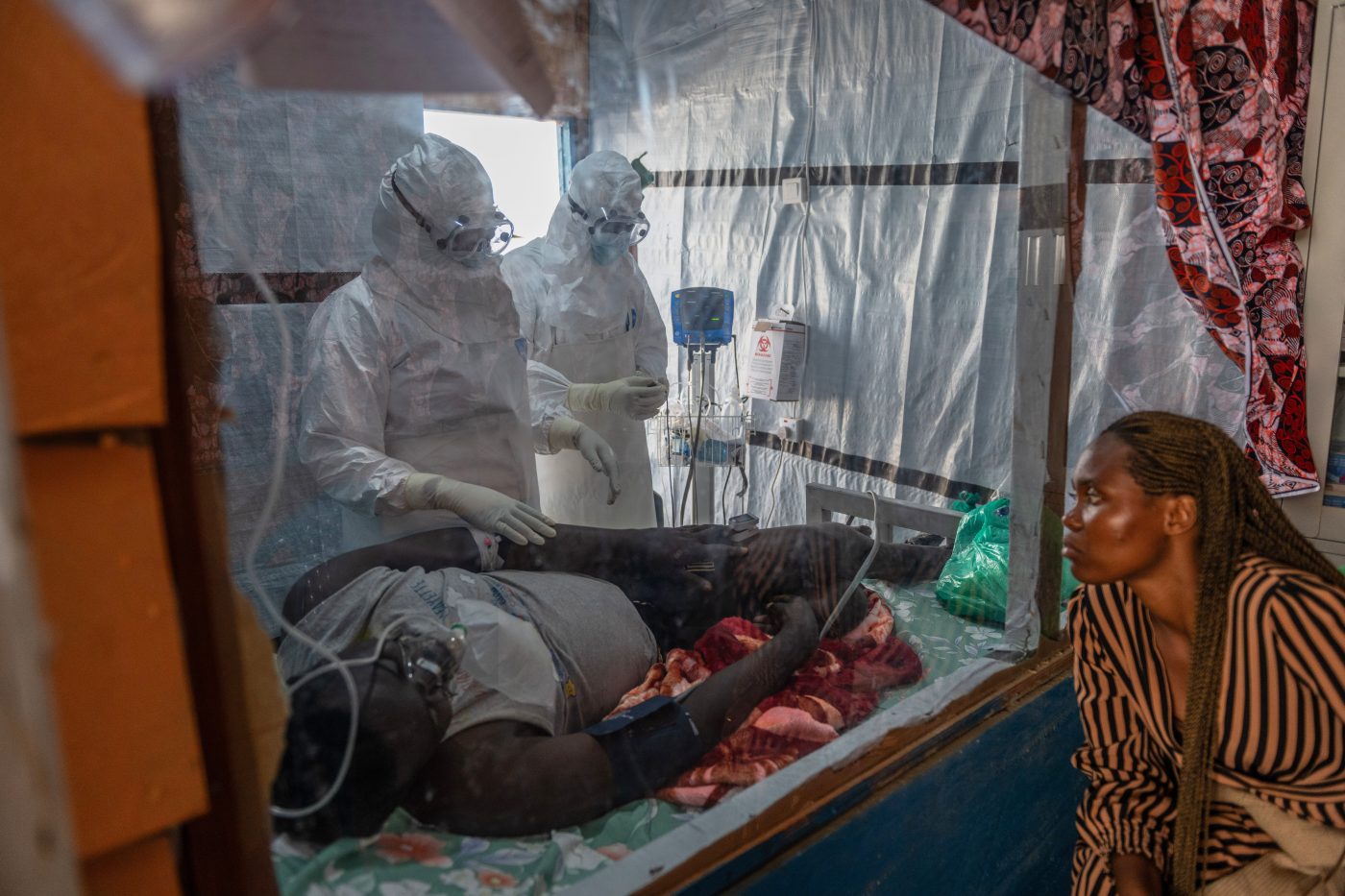
Local health systems are buckling under the strain. In Ituri province, the epicenter of the outbreak, frontline workers are threatening to strike over dire conditions: scant protective gear, unpaid wages, and a lack of basic supplies. Seventeen health workers have died among 75 infected. “We don’t have protective equipment,” said community nurse Moise Bulabantu. “We’re extremely afraid.” The Bundibugyo ebolavirus strain currently has no approved treatments or vaccines.

Trump has previously cited Operation Warp Speed—the rapid COVID-19 vaccine development program—as one of his administration’s crowning achievements. That effort demonstrated what presidential focus and federal muscle can accomplish in a health crisis. Now, with another viral threat escalating, the same approach could be applied to contain Ebola before it becomes a wider catastrophe.
The U.S. has already begun to assist, and the World Health Organization is testing an experimental treatment. But what’s needed, according to public health experts, is a dramatic escalation: the deployment of modern, rapidly assembled Ebola Treatment Units (ETUs), each capable of housing 100 patients. These units were critical in halting the 2014 outbreak. A military-led airlift to erect 15 to 20 such facilities overnight could turn the tide.
Proponents argue that the U.S. military can establish mobile field hospitals—akin to MASH units—in safe zones, without exposing American troops to infection. Troops would build the facilities and depart quickly, minimizing risk. Success would be measured in a declining case curve, a metric that could emerge within months.
Trump’s foreign policy record, including his recent NATO summit in Turkey, has drawn mixed reviews. But a swift, humanitarian intervention against Ebola would align with his “America First” doctrine by protecting U.S. borders from the virus while showcasing global leadership. As critics have noted, Trump’s earlier foreign aid cuts may have left the U.S. less prepared for such outbreaks, but a bold move now could reverse that narrative.
Stopping Ebola at its source would not only save lives but also send a clear signal: the United States can outpace a lethal virus. For a president eyeing a Nobel, that might be the most persuasive argument of all.