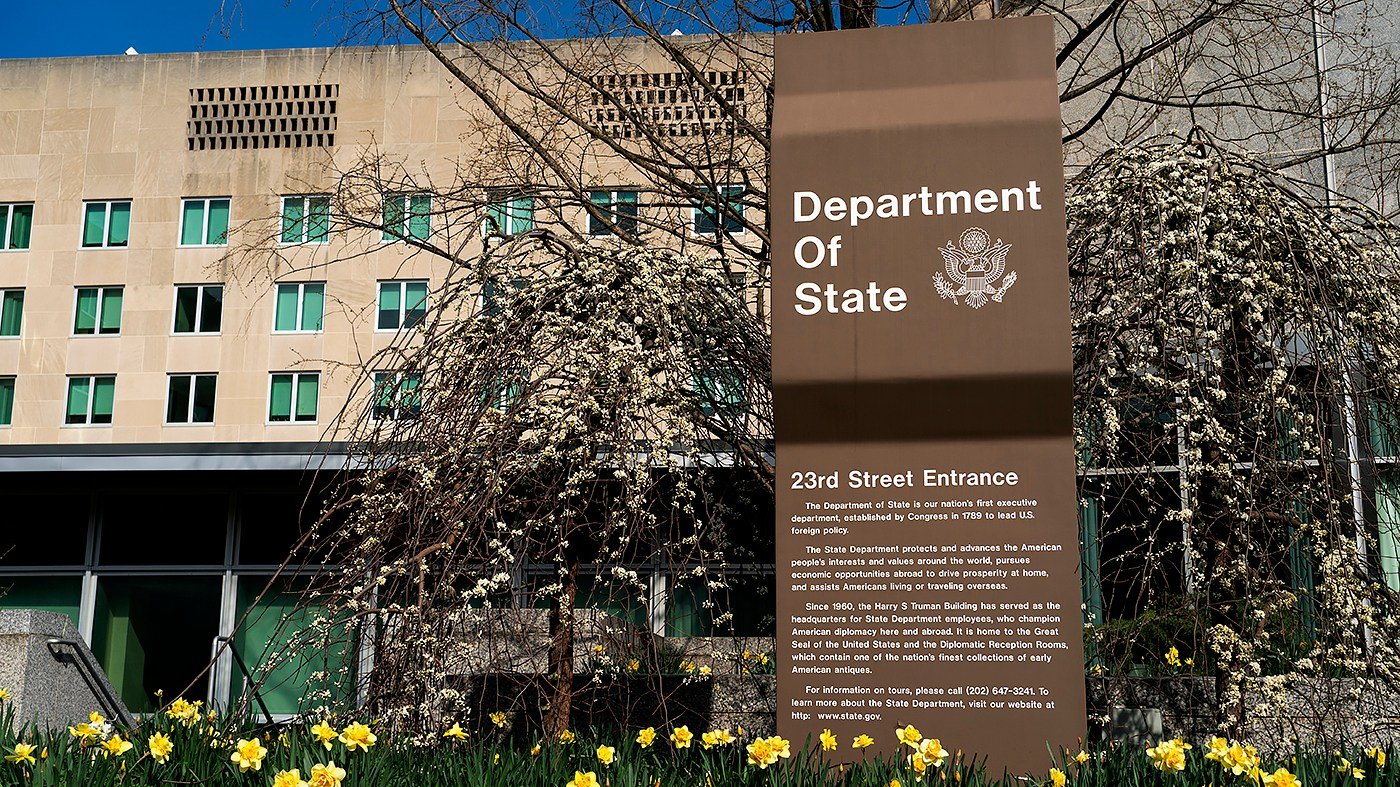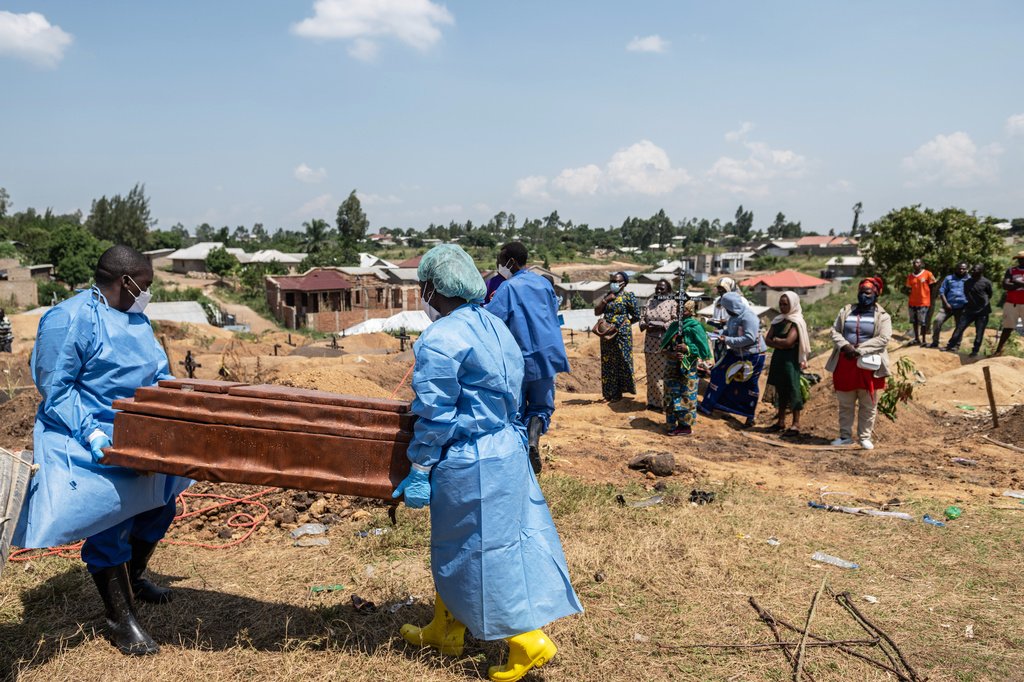
The Trump administration's chaotic response to the Ebola outbreak in Central Africa has reignited scrutiny of its aggressive dismantling of U.S. foreign assistance infrastructure, a campaign led by Elon Musk's Department of Government Efficiency and overseen by Secretary of State Marco Rubio. As The Hill and other outlets have reported, the United States now faces heightened risk without the coordinated international health response network that once existed for such emergencies.
Conflict and Health Crises Intertwined
The Ebola crisis underscores findings from a new University of Chicago study, which documents a sharp uptick in conflict across African nations that relied heavily on U.S. aid. The research reveals a 12.3 percent increase in all conflict-related events, a 7.3 percent rise in battles, and a 6.8 percent jump in protests and riots. These statistics translate into grim realities for communities like those in eastern Democratic Republic of the Congo, where global health responders are struggling to contain what may become history's worst Ebola outbreak.
Decades of armed conflict have left local populations traumatized and distrustful of outsiders, while gutting health facilities and weakening civil society groups that serve as early warning systems for both conflict and disease. This toxic mix makes containing Ebola far more difficult.
Peacebuilding Cuts Leave a Void
The dangers highlight the importance of America's modest but critical investments in conflict mitigation, violence prevention, and peacebuilding—a responsibility once shared by USAID, the U.S. Institute of Peace, and the State Department's Bureau for Conflict and Stabilization Operations. These programs, which worked hand-in-hand with disease prevention and humanitarian response, helped save lives and address threats overseas before they reached American shores.
As former directors of USAID's conflict management office—created after 9/11—we built the government's capacity to identify, assess, and deploy development aid to protect local peacebuilders and ensure U.S. embassies could operate effectively in conflict zones. At their best, these efforts deterred local disputes from escalating into violent conflict and instability that could harm Americans or draw the U.S. into endless wars.
At a minimum, our work ensured taxpayer dollars were spent wisely, following lessons from Iraq, Afghanistan, Haiti, Colombia, the Balkans, Vietnam, and Israel, the West Bank and Gaza, to avoid inadvertently fueling local conflicts. We trained a generation of peacebuilders to recognize conflict risk and design effective responses.
A Hollowed-Out Response
Now, as Congress considers President Trump's $1.5 trillion request for military spending in fiscal 2027, U.S. investments in peacebuilding—which rarely exceeded a few billion dollars annually this century—are virtually nonexistent. The State Department's regional bureaus lead diplomatic efforts but no longer benefit from targeted support to local groups, like those across Sub-Saharan Africa, that can detect and respond to conflict. This slow, patient work of building trust and healing grievances before they escalate is beyond the department's current capacity.
Even the world's most powerful military cannot fill the gap—which is why peacebuilding once enjoyed consistent support from warfighters, military planners, and Congress. International health threats, instability, and war are not going away. Congress has a key role in shaping a renewed U.S. commitment to development and humanitarian response with conflict prevention at its core.
Ironically, then-Sen. Rubio was once fully committed to this mission before overseeing its dismantling. It is not too late to rethink a decision that has left the United States less strong, less safe, and less able to lead in a complex world.