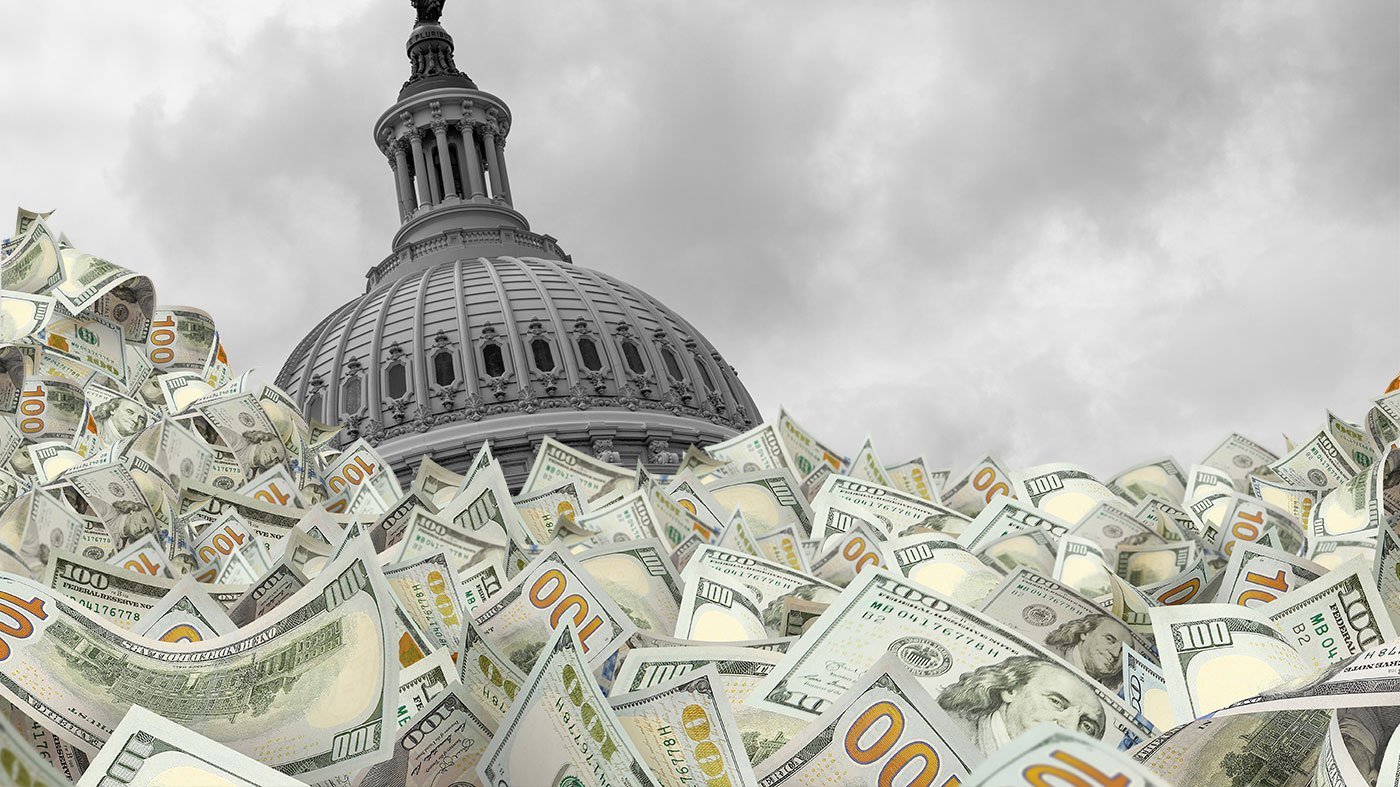
The U.S. national debt officially crossed the $40 trillion mark on Wednesday, a milestone that triggered a fresh round of bipartisan finger-pointing but little in the way of concrete legislative action. Lawmakers from both parties took to social media and the floor to express alarm, yet the fundamental disagreements that have stalled fiscal reform for years remain as entrenched as ever.
Republicans, particularly fiscal conservatives, were quick to blame unchecked federal spending and entitlement programs. Sen. Rick Scott (R-Fla.) wrote on X that the situation is “bad” and demanded that Congress “get spending under control and BALANCE THE BUDGET.” Sen. Rand Paul (R-Ky.) echoed that sentiment, arguing that Washington should operate like a family budget. “Instead of paying for things as we go, Washington spends and spends,” Paul said.
Members of the House Freedom Caucus also weighed in, with Rep. Ralph Norman (R-S.C.) calling the debt a “flashing warning sign” that puts future generations at risk. “We cannot tax our way out of this. We cannot keep borrowing our way out of this,” Norman wrote, urging Congress to find the “backbone” to make tough choices. Sen. John Curtis (R-Utah) described the debt as “immoral” and renewed his support for a fiscal commission, saying it would be “a good start” toward addressing the problem.
Democrats, meanwhile, used the milestone to attack the GOP’s recent tax and spending record. Rep. Joe Neguse (D-Colo.) noted that warnings about the deficit impact of last year’s reconciliation bill, which he said added $687 billion in debt-service costs over the next decade, were ignored. “And the national debt has now hit $40 trillion,” he said. Rep. Thomas Massie (R-Ky.), who recently lost his primary, was blunt in his criticism of the so-called One Big Beautiful Bill Act, writing, “Anyone with a room temperature IQ knew that cutting taxes and increasing spending was going to balloon the deficit.”
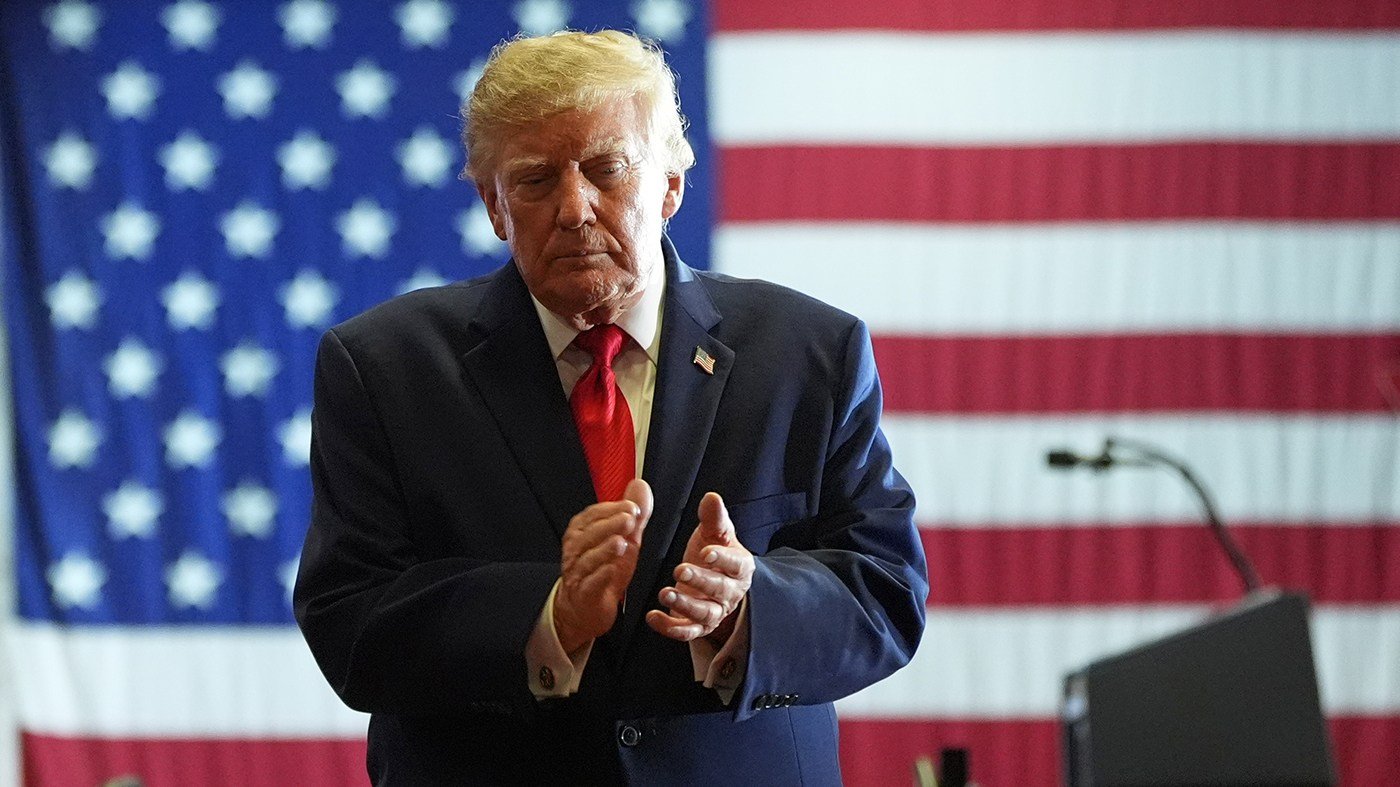
Sen. Dick Durbin (D-Ill.) took aim at President Trump’s economic and military policies, calling it “ironic” that a president and party that railed against debt have overseen such a rapid increase. Rep. Shri Thanedar (D-Mich.) noted that Trump added nearly $11.52 trillion—about 30% of the total—during his time in office, and questioned the GOP’s claims of fiscal responsibility.
The political backdrop is complicated by the GOP’s ongoing efforts to pass a third reconciliation package, which includes $73 billion for defense and intelligence, $12 billion for agriculture aid, and $10 billion for election integrity measures, totaling $95 billion. The bill currently lacks offsets, a point of concern for fiscal hawks within the party. The Senate has yet to pass a blueprint, and the package’s fate remains uncertain.
Treasury Secretary Scott Bessent, in an interview on CNBC, expressed optimism that the U.S. can “grow” its way out of the debt, while acknowledging that misinformation about the deficit and deficit-to-GDP ratio has clouded the debate. Bessent’s comments align with the administration’s broader economic message, but critics argue that growth alone cannot solve a structural imbalance.
As the debt ceiling debate looms and the midterm elections approach, the political incentives for compromise remain weak. Both parties are positioning themselves for electoral gain rather than fiscal consensus, leaving the nation’s fiscal trajectory on an increasingly precarious path. For now, the $40 trillion figure serves as a stark reminder of the challenges ahead, but also of the deep partisan divides that have made meaningful action nearly impossible.