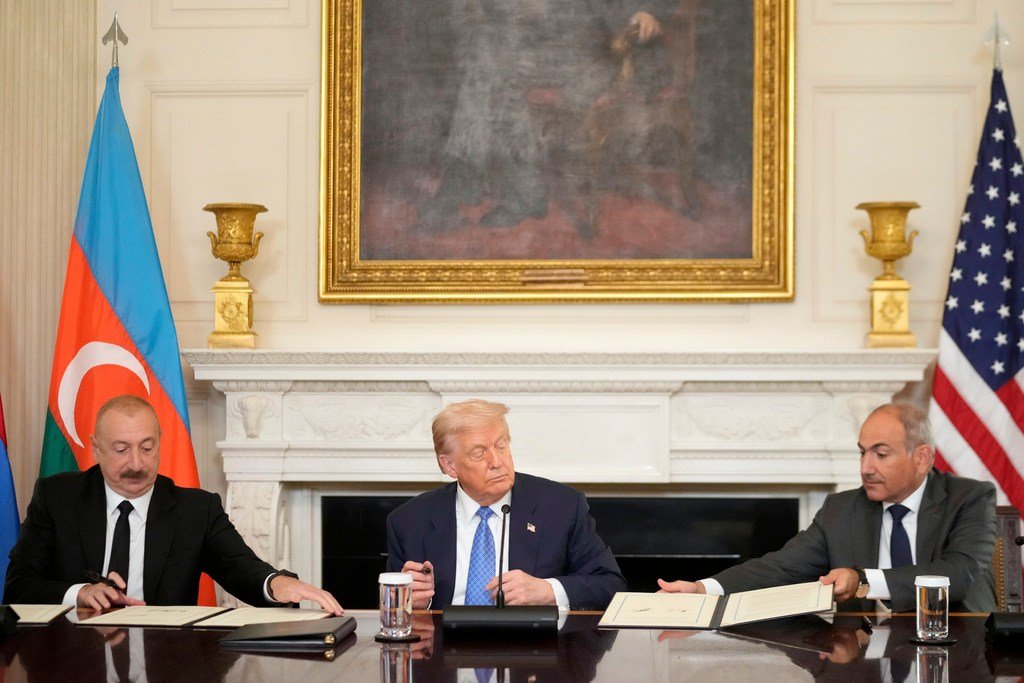
A year after its launch, the Trump Route for International Peace and Prosperity (TRIPP) is being touted by its backers as more than just a road—it is a strategic land corridor linking Azerbaijan, Armenia, and Turkey, intended to bolster Eurasian security and diversify global energy supplies. The initiative, unveiled by President Trump alongside the leaders of Armenia and Azerbaijan, represents an active American commitment to safeguarding access to the heart of Eurasia, according to its proponents.
The corridor is seen as a bulwark against domination of the strategically vital Caspian region by Russia, China, and Iran. Its advocates argue that the U.S. and Western allies must invest in infrastructure that lessens the impact of disruptions to maritime trade and encourages energy development outside the Middle East. TRIPP is a key component of that strategy.
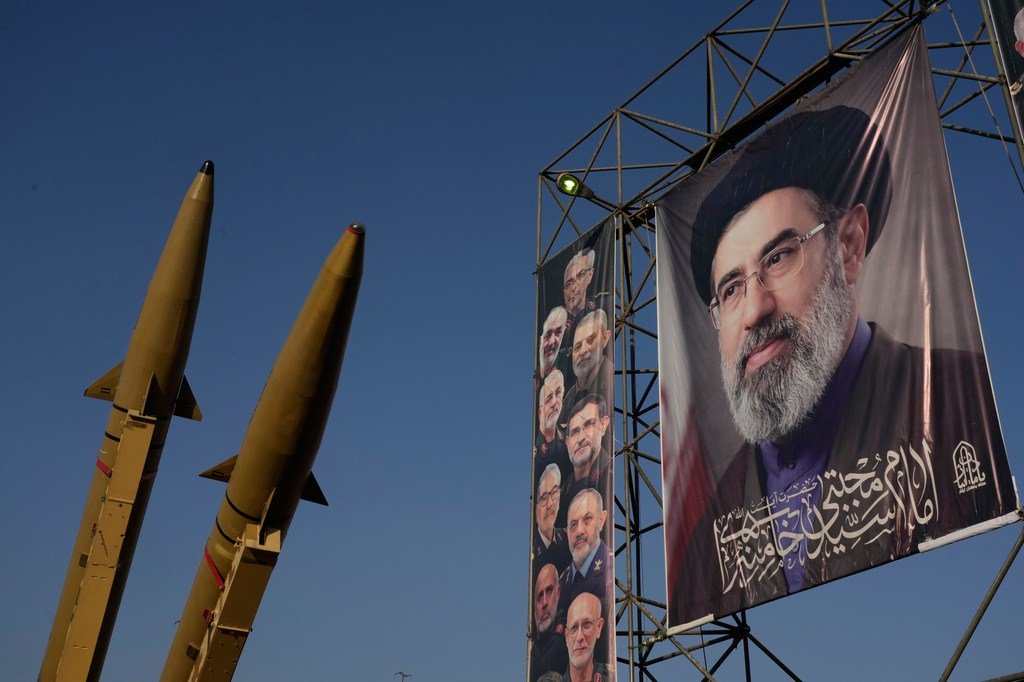
Over the past year, as the U.S. and Israel exchanged fire with Iran and Russia's war in Ukraine intensified, TRIPP provided a narrow safe corridor above the Caucasus for global aviation between Europe and Asia. The Trump administration is now working to strengthen the corridor's security and increase the American presence along it. American companies are set to operate TRIPP for 99 years under a public-private partnership.
The route physically embodies the peace agreements signed last August at the White House, which ended a 30-year conflict between Armenia and Azerbaijan. TRIPP is part of the larger Middle Corridor, a land trade route linking Europe and Asia. This corridor is increasingly important for global trade, offering a way to bypass maritime chokepoints like the Strait of Hormuz, the Red Sea, and the Black Sea, which are vulnerable to disruption by malign actors like Iran. Notably, TRIPP does not pass through Russia or Iran, making it immune to current and future sanctions.
Beyond trade, the corridor opens access to significant oil and gas reserves in the Caspian region, helping to diversify global hydrocarbon markets and reduce reliance on traditional producers. Central Asia also holds nearly half of the world's uranium production and large deposits of rare earths, which are otherwise mainly found in China. Western access to these critical resources depends on the Middle Corridor.
The article, written by Brenda Shaffer and Svante Cornell, criticizes the Biden administration and the European Commission for abandoning energy diversification policies over the past 15 years, believing a transition to renewables was imminent. The current Strait of Hormuz crisis, they argue, demonstrates the error of that approach. If new sources of energy had been developed, such as in the Caspian and Africa, the conflict would have had much less impact.
However, the authors caution that TRIPP itself is not ideal for major energy or strategic infrastructure like pipelines or fiber-optic cables, given its proximity to Armenia's border with Iran. Such infrastructure is likely to be built further north, while still connecting the three countries. Instead, TRIPP should be seen as a signpost of America's return to active engagement in a region where it has been largely absent.
The authors urge Western partners, including the EU, the U.K., Japan, and South Korea, to join and strengthen TRIPP and the wider Middle Corridor. They argue that these routes serve their security interests by preventing Russia, China, and Iran from asserting control over the heart of Eurasia. Iran's near-panicked reaction to the initiative suggests that adversaries recognize its strategic significance. The piece concludes by calling on Western states to proactively remove geostrategic leverage from adversaries by building routes and relationships not dependent on maritime navigation, while still fostering diverse energy sources beyond the Middle East.