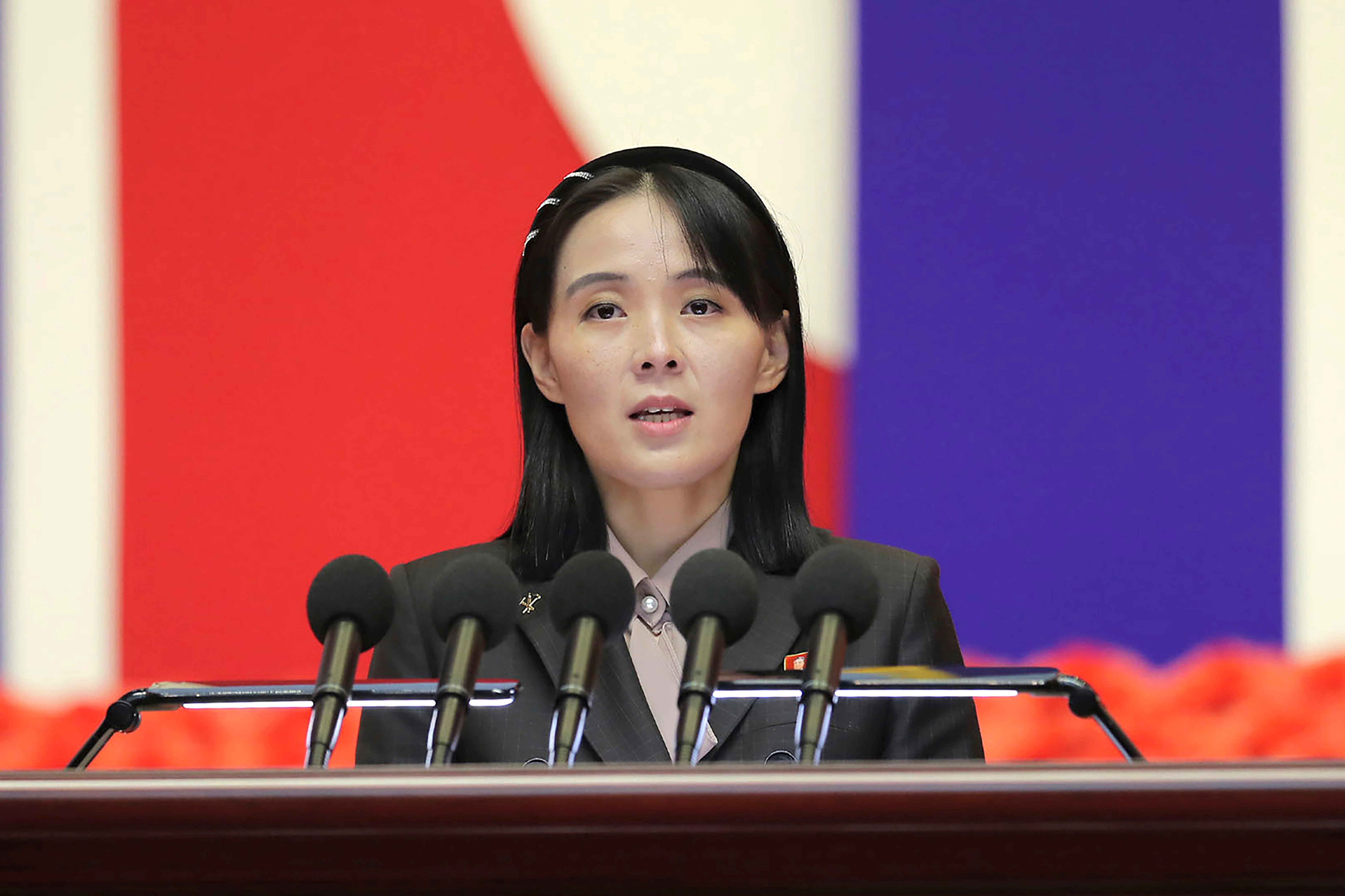
Kim Yo Jong, a senior official and sister of North Korean leader Kim Jong Un, has publicly denied any knowledge of direct communications between her brother and President Trump. The statement, carried by state media on Wednesday, directly contradicts the president's earlier remarks to reporters that the North Korean leader had responded to his outreach and that the two would meet later this year.
In a translated statement via South Korean outlet The Chosun Daily, Kim Yo Jong said: “There has been no communication between the leaders of North Korea and the U.S. that we are aware of.” She added, “I am not aware of it at all, and perhaps it may be the only thing I do not know as regards the foreign policy of our supreme leadership.” Despite the denial, she maintained that the relationship between the two leaders “is still excellent.”
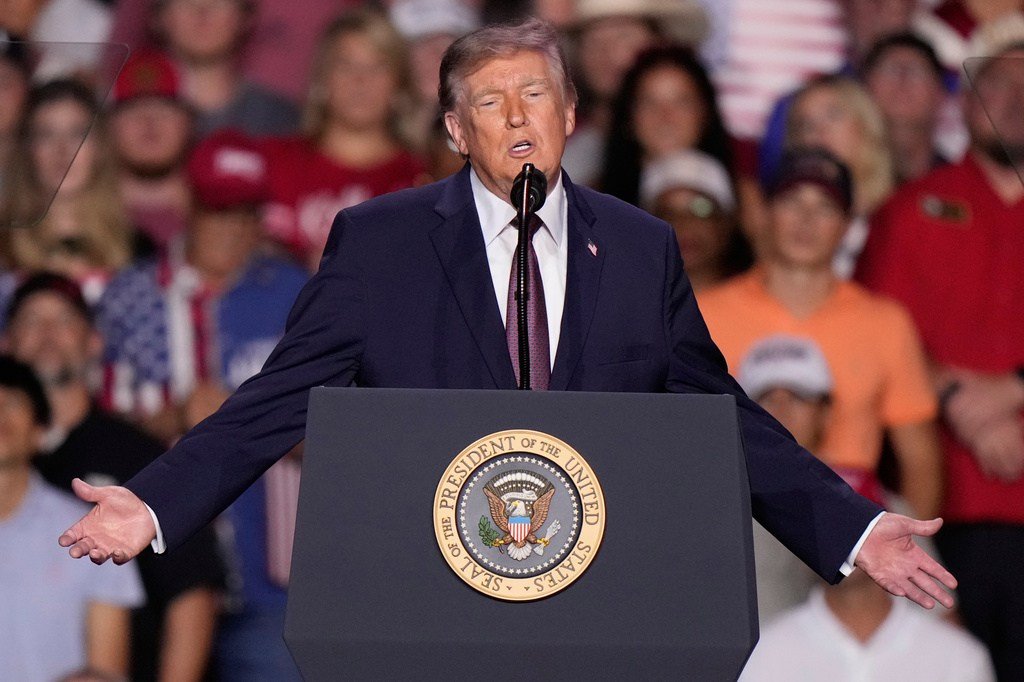
The White House has not yet responded to requests for comment on the discrepancy. The president's claim of a forthcoming summit came amid heightened tensions over the annual joint military exercises conducted by U.S. and South Korean forces, known as Ulchi Freedom Shield. Kim Yo Jong reiterated Pyongyang's long-standing condemnation of these drills, calling them “an expression of open hostility” toward the North.
Trump had ordered Defense Secretary Pete Hegseth to “substantially reduce” the scale of these exercises, a move that drew sharp criticism from Democrats and foreign policy experts. The decision was seen by some as a concession to North Korea, particularly after Pyongyang conducted several ballistic missile tests in response to the drills' announcement.
The U.S.-South Korea military alliance has conducted these joint exercises for more than seven decades to maintain readiness on the Korean Peninsula. Critics argue that scaling them back undermines deterrence and sends a dangerous signal to Pyongyang. Among the most vocal critics was Arizona Senator Mark Kelly, a Democrat and former Navy officer who participated in these drills during his service. In a social media post, Kelly suggested Trump should “read some history and get his priorities straight,” emphasizing that the exercises “help us and our allies like South Korea stay well trained and coordinated.” He added, “Scaling down those exercises only helps North Korea.”
The contradiction between Trump's account and Kim Yo Jong's denial raises questions about the reliability of diplomatic signals and the actual state of U.S.-North Korea relations. While Trump has previously boasted of his personal rapport with Kim Jong Un, this latest episode underscores the opacity of Pyongyang's decision-making and the challenges of negotiating with a regime that often speaks through multiple channels.
Analysts note that Kim Yo Jong's denial could be a deliberate attempt to distance the regime from Trump's narrative, possibly to avoid appearing eager for talks or to manage domestic expectations. Alternatively, it could signal genuine confusion within the North Korean leadership about the president's intentions, particularly given his recent decisions on military exercises and his administration's broader foreign policy shifts.
The situation remains fluid, with both sides issuing statements that appear to contradict each other. As the White House and State Department navigate this diplomatic minefield, the international community watches closely for any signs of a breakthrough or further escalation. For now, the only certainty is that the gap between Washington's and Pyongyang's public narratives has widened, leaving the region's stability in question.