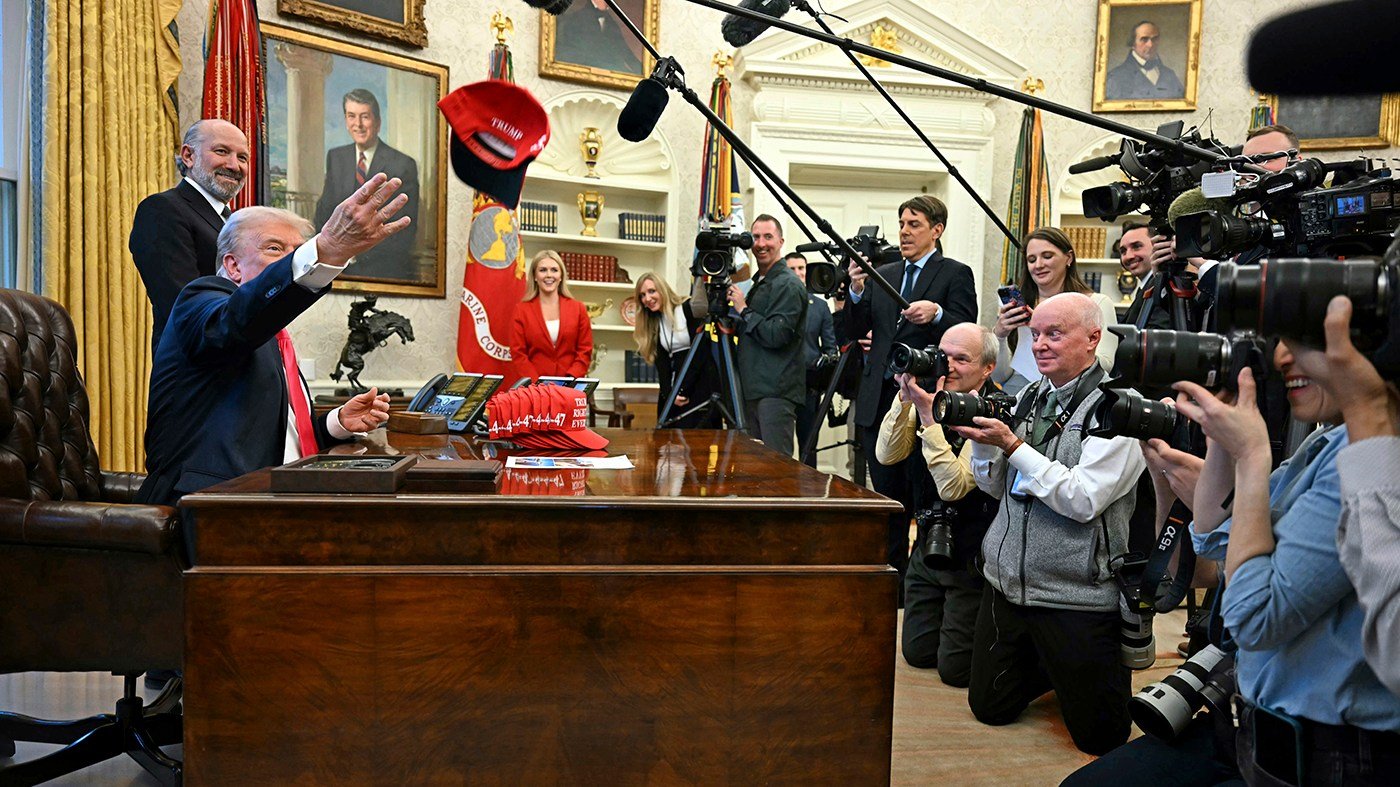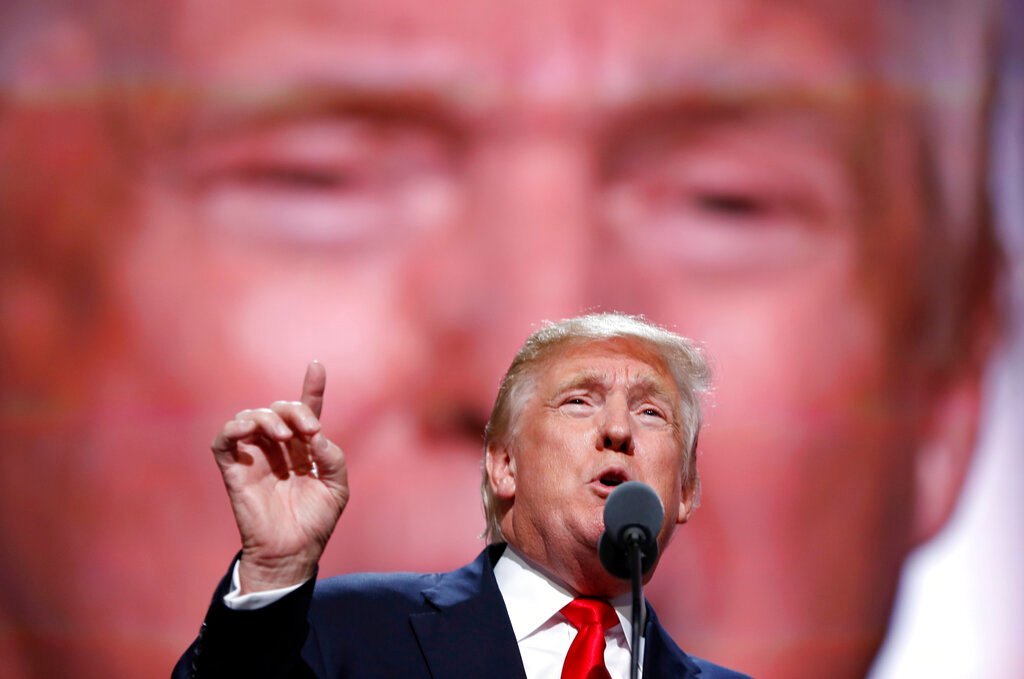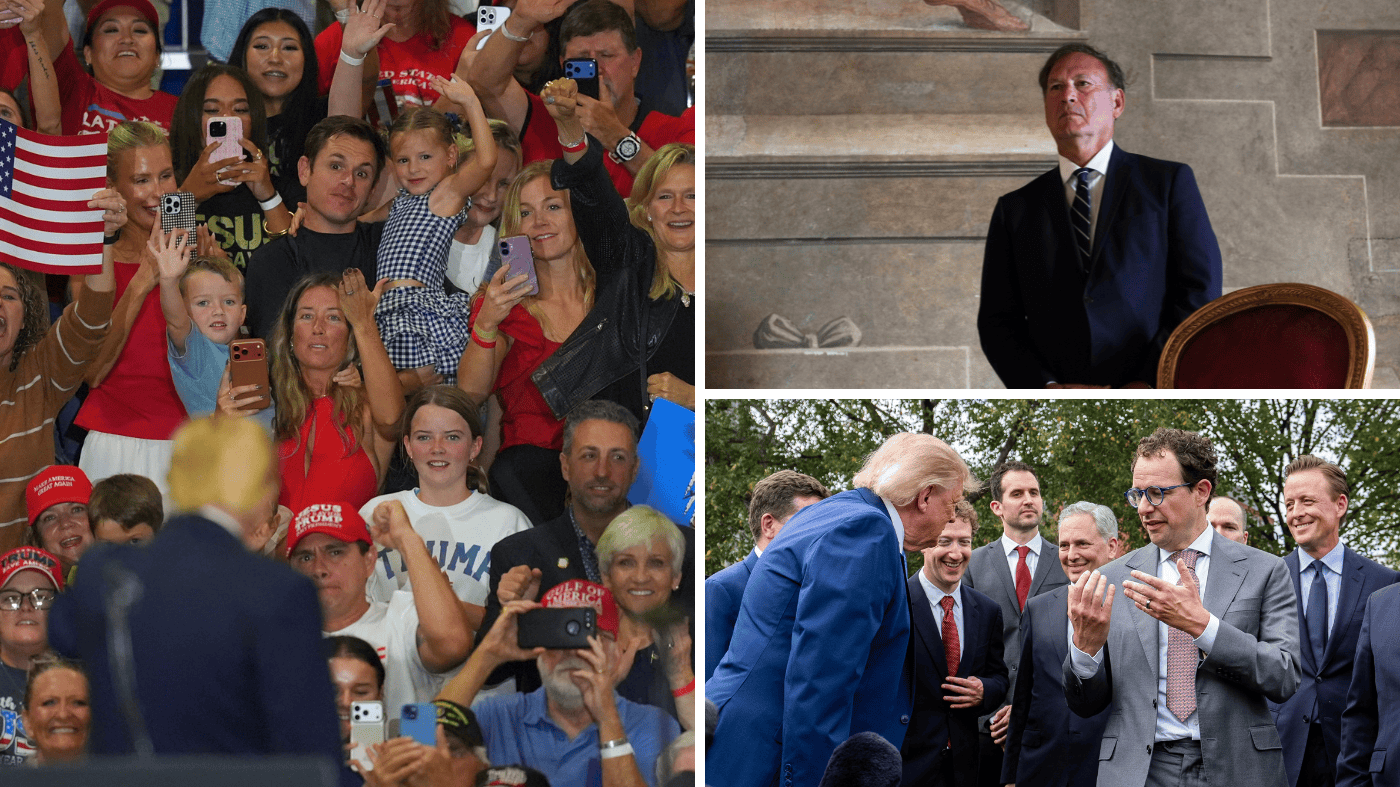
With just a month to go before the midterm elections, President Trump is launching an aggressive campaign swing through traditionally Republican states, aiming to energize his base as the party confronts an increasingly difficult political environment shaped by the ongoing Iran war and persistent inflation.
Trump's October itinerary includes rallies in Oklahoma, Alabama, Ohio, Texas, and Nebraska—states he carried comfortably in 2024. The strategy is to replicate the turnout that propelled him to victory, but his approval ratings have slipped, and several once-safe GOP seats are now seen as competitive. The nonpartisan Cook Political Report recently shifted Senate races in Kansas and South Carolina toward Democrats, and at least ten House seats held by Republicans are now considered vulnerable.
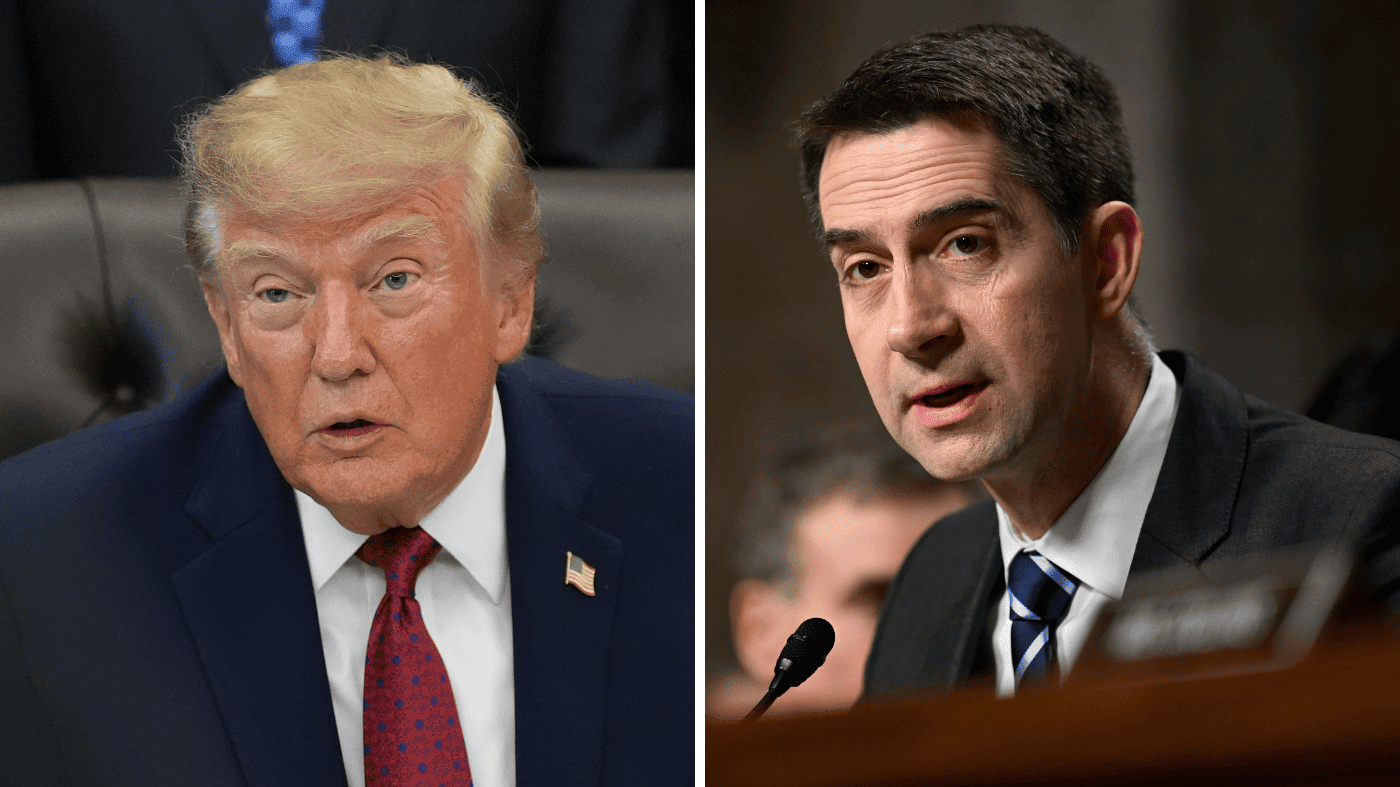
Vice President Vance is also fanning out, with a planned trip to Alaska to support the GOP Senate candidate in that state's tight race. The campaign push comes as Republicans wrestle with voter anger over high energy prices and the human and financial costs of the Iran conflict. Some GOP candidates have broken with the White House on the war; Iowa Senate nominee Ashley Hinson said Iowans "shouldn't have to foot the bill at the pump or the checkout line for the war in Iran."
Trump has tried to tie the war's end and economic relief to the election, suggesting the conflict could wind down after November. But at a rally in Oklahoma, he admitted the war could cost Republicans the midterms. His comments reflect a party on edge, with internal polling reportedly showing erosion in rural and working-class districts that were once solidly red.
Supreme Court returns with high-stakes docket
The Supreme Court opens its new term Monday, with major cases on immigration, gun rights, voting, and religious freedom. Justice Samuel Alito is making a rare television appearance on "Fox News Sunday" alongside Attorney General Todd Blanche to discuss the term ahead.
Immigration is expected to dominate, including a challenge to the Trump administration's mandatory detention policy. The administration argues it can hold undocumented immigrants without bond, even those with long-standing ties to the U.S., a position that civil liberties groups say overreaches executive power. The court's ruling could reshape immigration enforcement nationwide.
AI executive order and tech pledges
This week, Trump signed an executive order on artificial intelligence, renaming it "superintelligence" and unveiling a new government portal, America.gov, to streamline federal services. Tech leaders including Meta's Mark Zuckerberg, Nvidia's Jensen Huang, and xAI's Elon Musk pledged voluntary commitments on AI development, which Trump called "morally binding." Critics from both parties have expressed skepticism about the voluntary nature of the pact.
Other headlines: Cornell case and botched execution
In other news, New York Governor Kathy Hochul has appointed state Attorney General Letitia James as special prosecutor to investigate allegations that a Cornell University student was drugged and sexually assaulted by seven men at a fraternity house in 2024. The case, which drew renewed attention after a civil lawsuit, is the subject of a Sunday interview with the student's attorney, Thomas Giuffra, on CNN's "State of the Union."
In Tennessee, the state's botched execution of convicted murderer Christa Pike has sparked an independent investigation and a halt to further executions this year. Pike remains on life support after two failed lethal injection attempts. Governor Bill Lee ordered the probe, and the incident has intensified the national debate over capital punishment.
As the campaign enters its final stretch, the Sunday shows will feature a range of administration officials and lawmakers, including Energy Secretary Chris Wright, National Economic Council Director Kevin Hassett, and Senators Mark Kelly, John Kennedy, and Dave McCormick. The conversations are expected to focus on the economy, the war, and the political fallout.