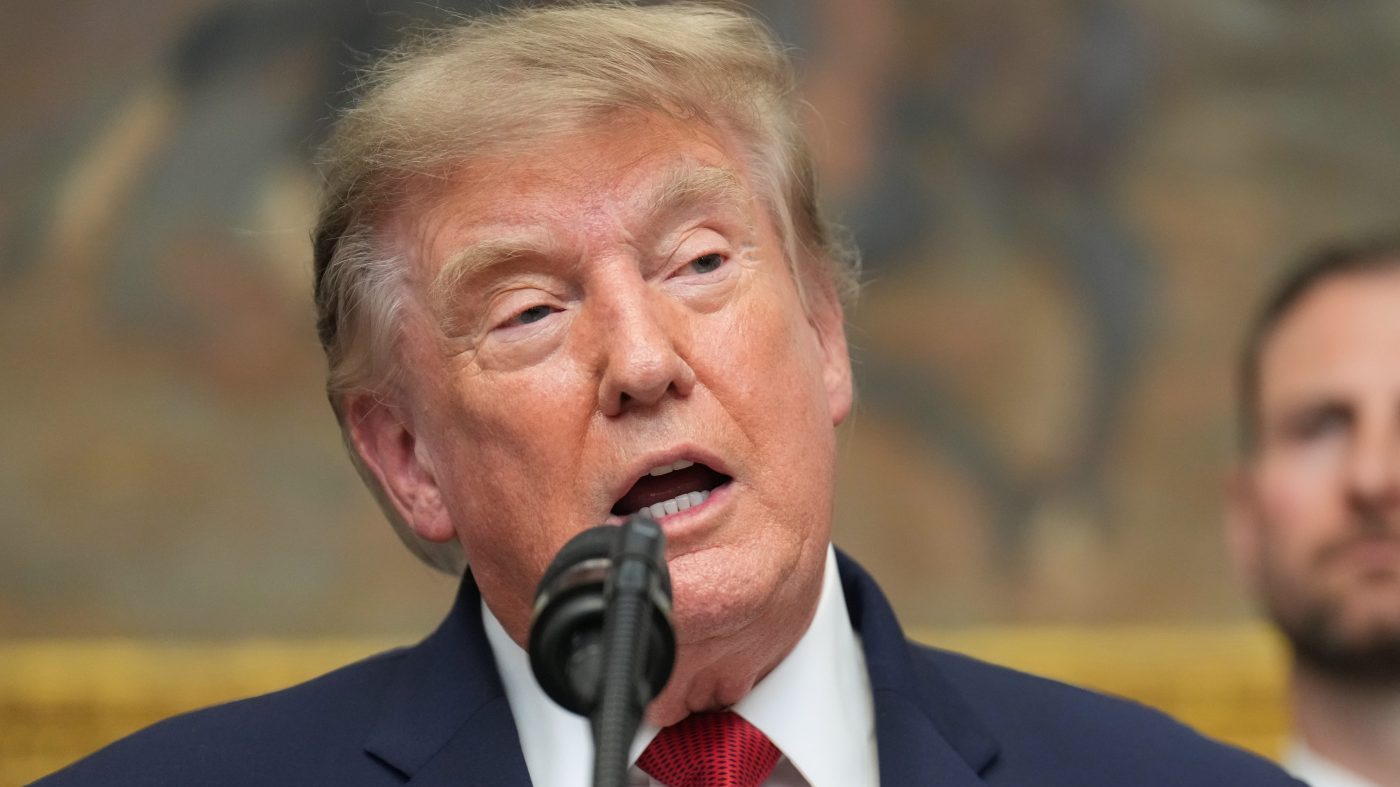
President Trump escalated his confrontation with Tehran late Wednesday, vowing a new round of severe economic penalties and warning that any nation helping Iran circumvent U.S. sanctions would face repercussions. In a social media post, he described the effort as "Economic Warfare and Isolation on an unprecedented scale," signaling a more aggressive posture aimed at forcing Iran to reopen the Strait of Hormuz, a critical chokepoint for global oil shipments.
The announcement comes as the administration seeks to maximize pressure on Iran following recent attacks on tankers and heightened tensions in the Persian Gulf. Trump's rhetoric, however, has drawn skepticism from foreign policy analysts who question the feasibility of fully isolating a major oil producer. Iran's top diplomat has already dismissed the threats, calling them ineffective and pointing to the U.S. debt surpassing $40 trillion as evidence of American economic vulnerabilities.
Bond market sounds alarm
On the domestic front, the president's focus on foreign policy clashes with mounting economic concerns. Long-term U.S. Treasury yields have climbed to levels not seen in nearly two decades, a development that typically signals investor anxiety about inflation and future borrowing costs. Several Federal Reserve officials have hinted that an interest rate hike could be necessary later this year if price pressures persist, a move Trump has repeatedly criticized.
The president has downplayed the bond market's warning, insisting that the economy remains strong and that rate cuts, not hikes, are needed to sustain growth. Trump has continued to press for Fed rate cuts, even as the central bank maintains its data-driven approach. Economists warn that if the administration's trade and immigration policies exacerbate inflation, the Fed may be forced to act, potentially slowing the economy ahead of the midterm elections.
Court hearing for WHCA dinner shooting suspect
Meanwhile, the legal system moves forward in the case of Cole Allen, the California man accused of opening fire at the White House Correspondents' Association dinner in April. Allen, who has pleaded not guilty to charges including attempted assassination of the president and assaulting a federal officer with a deadly weapon, is scheduled for a status conference in federal court Thursday. The incident sent shockwaves through the press corps and raised anew questions about security protocols for high-profile events.
Democratic fallout from Nixon's win
In political news, Angie Nixon's surprise primary victory in Florida is sending ripples through the Democratic Party, exposing a generational and ideological rift. Her win, which came despite opposition from establishment figures, has energized progressives while alarming moderates who fear it could hurt the party's chances in the general election. Trump has mocked Nixon's bid, but her success has prompted soul-searching among Democrats about their message and strategy.
This evening, Massachusetts Sen. Ed Markey and Rep. Seth Moulton will debate ahead of the state's Sept. 1 primary, a contest that has become a proxy battle for the party's direction. Markey, a progressive stalwart, faces a challenge from Moulton, a centrist who has criticized the left's influence. The outcome could shape the party's approach in the run-up to the midterms.
Trump's schedule and executive actions
On Thursday, the president is scheduled to hold policy meetings and sign documents before attending a "Fostering the Future Together" event in the Rose Garden alongside first lady Melania Trump. The event is expected to focus on child welfare initiatives, a rare bipartisan area of interest.
Trump's second term has been marked by an aggressive use of executive orders, many of which are being challenged in court. Legal experts say his executive actions are testing the limits of presidential power, and the administration's immigration and trade policies remain under scrutiny. As the midterms approach, the president's combative style and policy gambits are likely to remain central to the national debate.