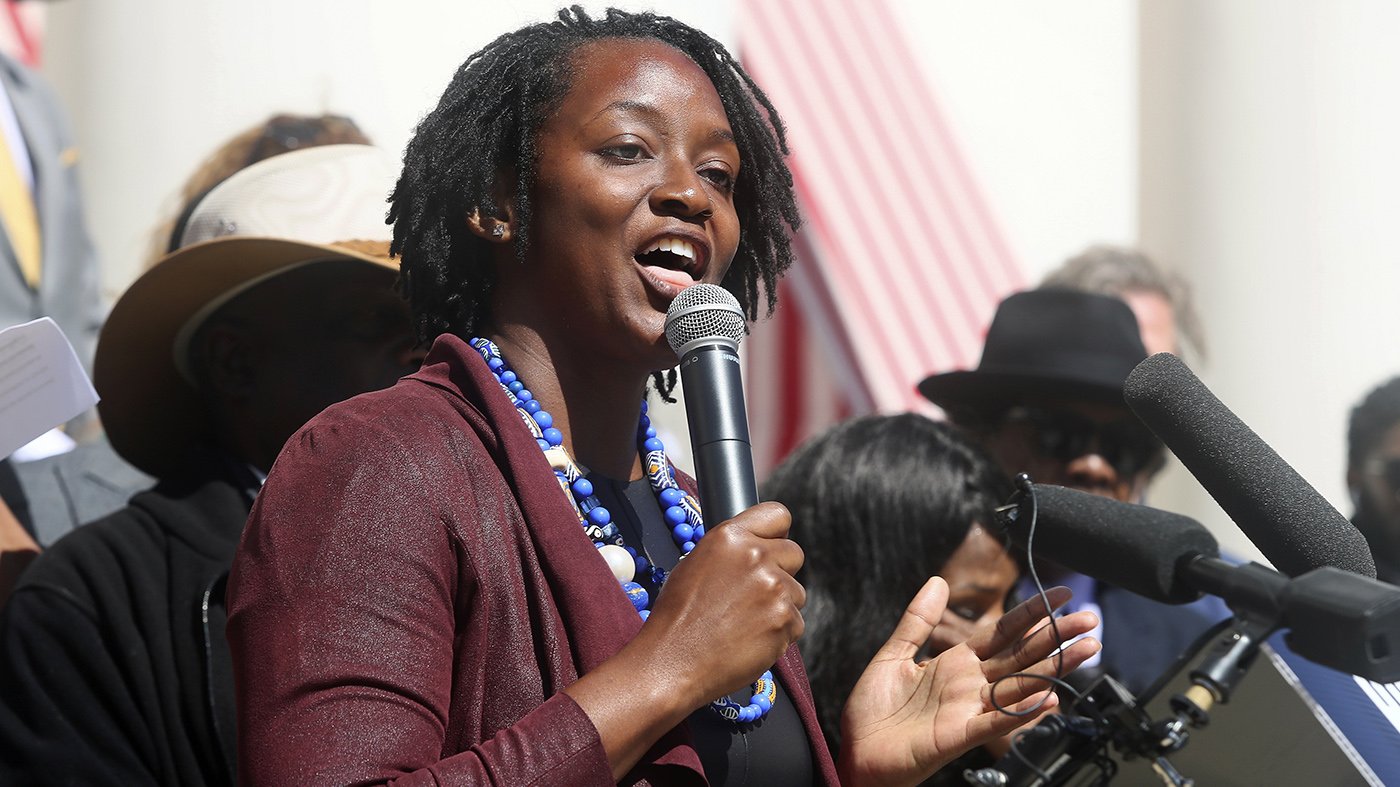
Florida state Rep. Angie Nixon’s decisive victory over former Trump whistleblower Alex Vindman in Tuesday’s Democratic Senate primary has reignited questions about the party’s ideological direction, but Nixon insists the real battle is about everyday concerns, not factional labels.
“It’s not necessarily a socialist message or a progressive message. It’s actually just about the needs of people,” Nixon said Wednesday on CBS Mornings. She argued that voters across the spectrum want “the same things”—to be “healthy, prosperous, and safe.” She listed healthcare, housing, and voting rights as core issues that are “resonating” with Floridians.

Nixon, first elected to the state House in 2020, beat Vindman by more than 12 points, according to Decision Desk HQ. Her victory, which some see as a progressive upset in the primary, was bolstered by her recent affiliation with the Democratic Socialists of America (DSA), which she joined in July. DSA-backed candidates have won primaries across the country this year, signaling a leftward shift in the party’s base.
Democratic strategist Joel Payne described the trend as “something more permanent, more expansive and more of a challenge to the conventional wisdom of the party than we have seen in a generation.” The DSA’s growing influence, Payne suggested, is forcing establishment Democrats to confront a more assertive progressive wing.
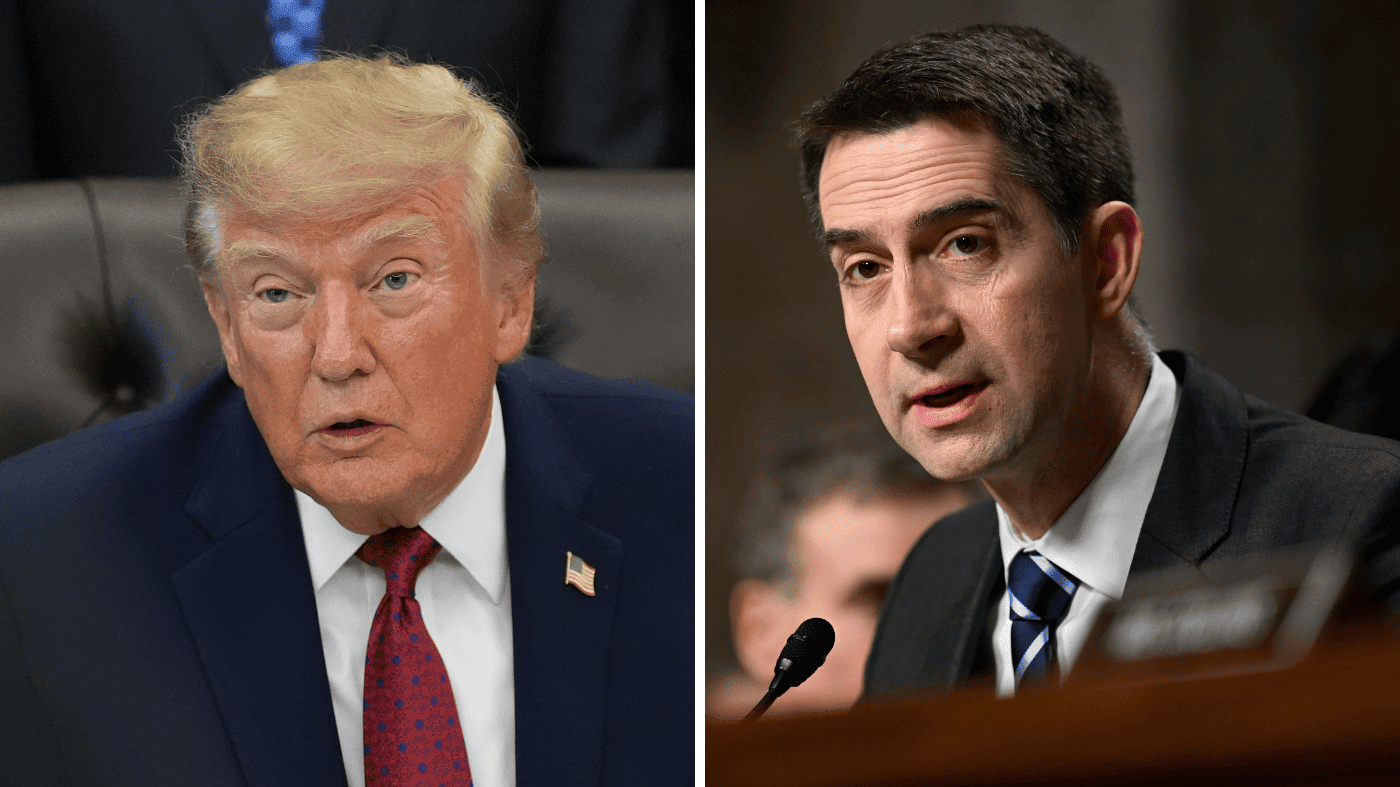
President Trump quickly seized on Nixon’s win, posting on social media that she is a “Radical Left Lunatic, who can’t speak or think properly.” He predicted she will “go down to certain defeat” against Sen. Ashley Moody (R-Fla.), whom he called “truly fantastic.” Moody, appointed by Gov. Ron DeSantis to fill Secretary of State Marco Rubio’s seat in 2025, is seeking to serve the final two years of Rubio’s term, with the next full election in 2028.
The general election matchup presents a steep climb for Nixon. The nonpartisan Cook Political Report rates the Florida Senate seat as “solid Republican,” and no Democrat has won a Senate race in the state since 2012, when Bill Nelson secured his third term. Political analysts note that Nixon’s progressive platform may struggle to resonate in a state that has trended rightward in recent cycles.
Nixon’s primary victory has already shifted the race’s outlook, with some handicappers moving it further into the GOP column. Yet her campaign argues that her focus on bread-and-butter issues—rather than ideological purity—can appeal to a broader electorate. “People want to make sure that people are looking out for these rights that they deserve,” she said, citing healthcare, housing, and voting rights as universal concerns.
As the general election approaches, Nixon’s ability to frame the race as a choice between her people-first agenda and Moody’s alignment with Trump will be tested. Meanwhile, her victory has become a flashpoint in the ongoing struggle between progressive and establishment Democrats, with implications for 2026 and beyond.