On a Friday in May, a California physician dropped her kids at school, said a prayer, and headed to her clinic. Hours later, she got a call: her older son was having a severe allergic reaction. Hives covered his arms and face. The school's algorithm recommended epinephrine, but the EpiPen he kept on campus had expired the previous month.
Dr. Diana Sepehri-Harvey, a board-certified osteopathic physician in Sacramento, knows the new guidelines well. The American Academy of Allergy, Asthma and Immunology now urges earlier use of EpiPens—dubbed 'Epi First Epi Fast'—to prevent anaphylaxis and reduce ER visits. But she questions how doctors can recommend more frequent use of a drug that remains out of reach for many.

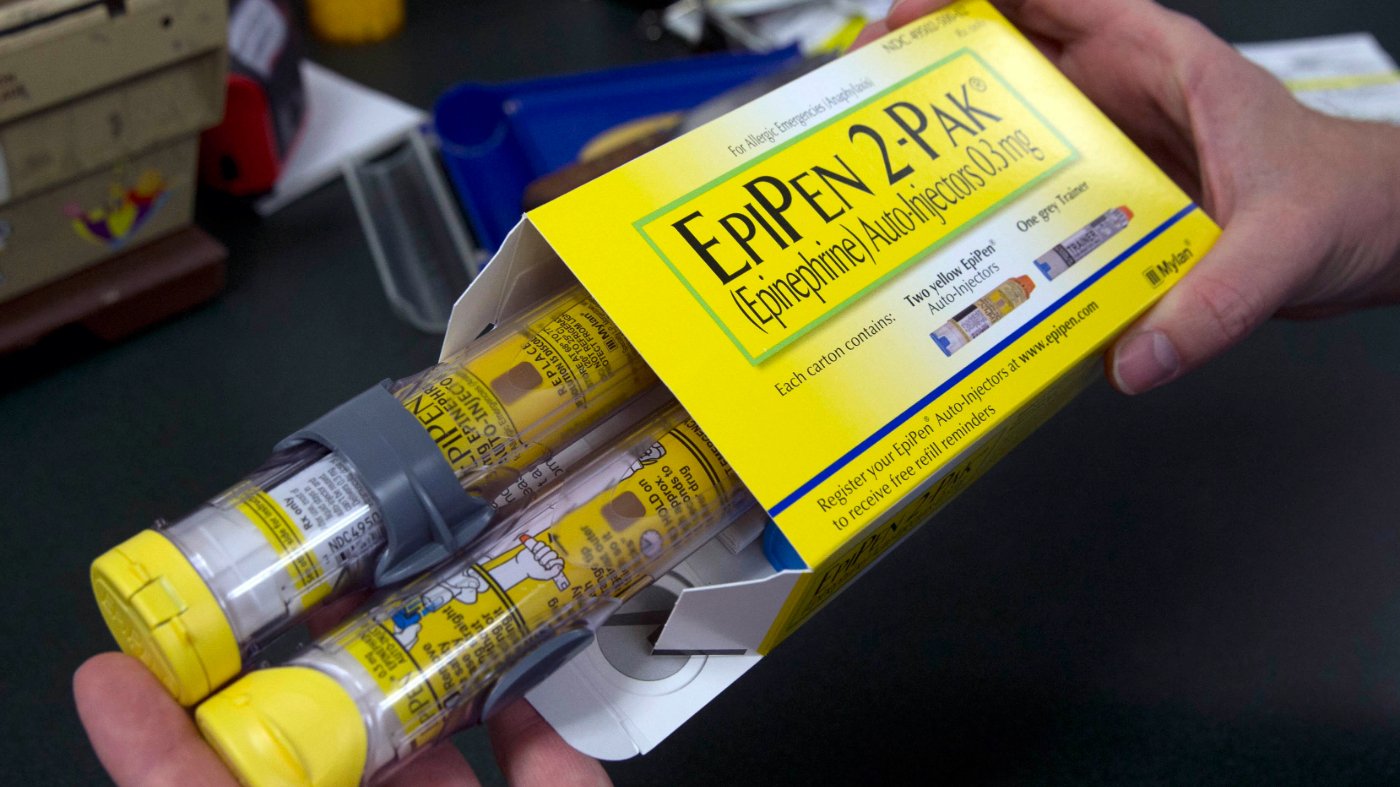
'I am a physician with good insurance, but every year we have faced higher out-of-pocket cost for my son's EpiPen,' she wrote. Mylan, now part of Viatris, held the patent for the auto-injector device until 2025 and still controls marketing and distribution, charging over $400 for a standard Twin Pack. Generic options only arrived in 2018 and remain costly due to strict regulatory and insurance hurdles.
The EpiPen is a stark example of America's prescription drug inflation. An AARP report in May found that prices for the top 25 brand-name drugs rose an average of 81% after entering the U.S. market, while they fell 13% in comparable high-income countries. Most developed nations cap costs through government negotiations; the U.S. largely lets pharmaceutical companies set prices.
Sepehri-Harvey's son's school had notified her weeks earlier that his recently purchased EpiPen was expiring. But when she went to the pharmacy, the $420 Twin-Pack was nearly double what she paid last year. Her insurance had switched to a newer brand, Auvi-Q, which required special ordering and cost $300. She began the tedious process of comparing prices via GoodRx, finding a pharmacy with longer expiration dates, and requesting a new prescription. She hadn't finished before the allergic reaction.
Legislators have tried to act. The EPIPEN Act, introduced in January 2024, died in committee after opposition from pharmaceutical lobbyists. In September, Reps. Doris Matsui (D-Calif.) and Maxwell Frost (D-Fla.) reintroduced it, calling for a $60 cap on out-of-pocket costs for all epinephrine auto-delivery systems. Endorsed by multiple medical organizations, the bill awaits committee review. Constituents should urge their representatives to support it.
At the state level, North Carolina Attorney General Jeff Jackson announced an $11 million settlement with Mylan in April to recover Medicaid overpayments from illegal price increases. Maryland and Illinois followed in May. Every state attorney general should hold Mylan accountable.
Similar approaches have worked for insulin. The 2022 Inflation Reduction Act capped out-of-pocket insulin costs for seniors on Medicare. Multiple states launched emergency 30-day supply programs. Under public pressure, major drug companies slashed prices and implemented low-cost monthly caps for patients with private or no insurance.
Thankfully, Sepehri-Harvey's son's symptoms cleared after using his expired EpiPen. But not everyone will be so lucky. Timely access to epinephrine can mean the difference between life and death. As new guidelines push for earlier use, the gap between clinical recommendations and affordability grows more dangerous.