The New York City Health Department has confirmed a growing cluster of Legionnaires' disease on the Upper East Side, with 14 reported cases now spanning three zip codes. The outbreak, initially detected in Carnegie Hill and Yorkville, has spread to include Lenox Hill, raising concerns among residents and local officials.
Health Commissioner Dr. Alister Martin emphasized the department's rapid response, stating, “We identified the cluster early when there were just two confirmed cases, and we’ve acted swiftly and decisively, setting holiday plans aside to step up for our fellow New Yorkers.” He added that the investigation is ongoing and that more work lies ahead as officials trace the source of exposure.

The affected areas—zip codes 10075, 10028, and 10128—cover a densely populated part of Manhattan. The Health Department has not yet pinpointed the origin of the bacteria, but previous incidents offer clues. Last week, Legionella was found in the water supply of a building in the East Village, and in February, the bacteria turned up in a Harlem residential building linked to two cases. That Harlem building had been a trouble spot since last summer.
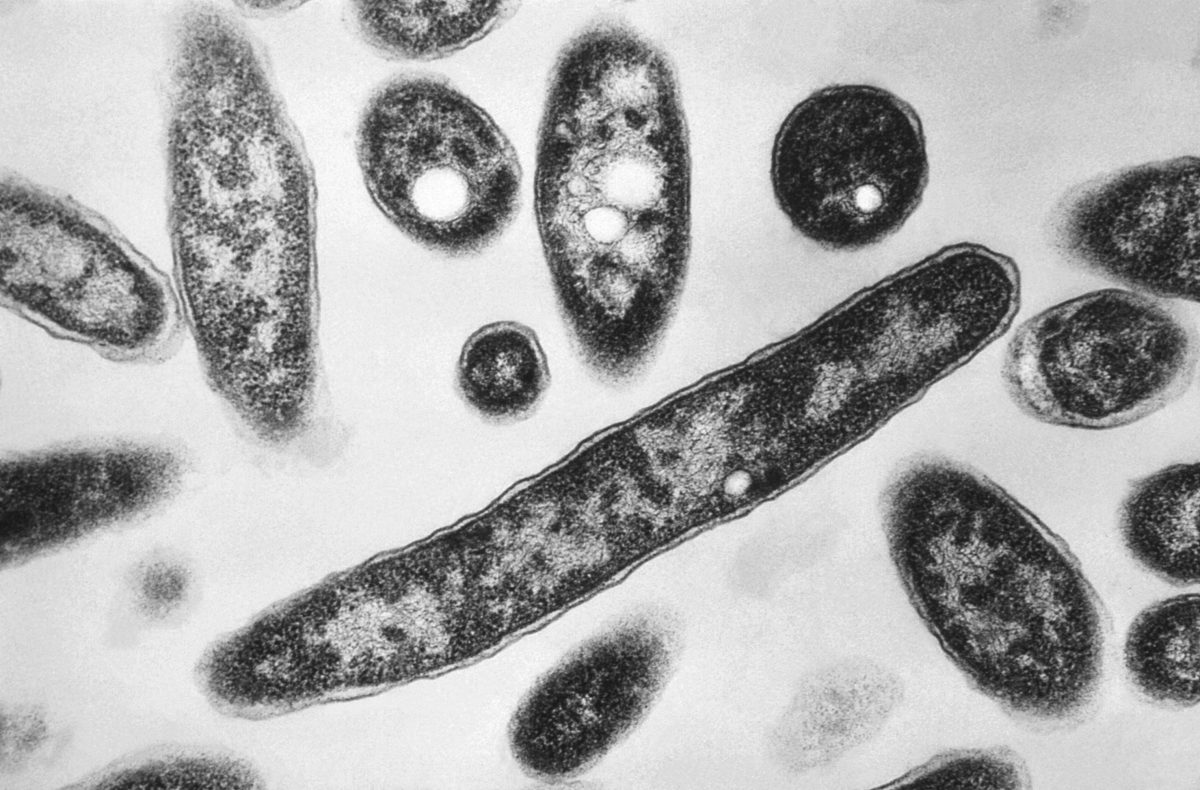
Legionnaires' disease, a severe form of pneumonia caused by the Legionella bacterium, is typically contracted by inhaling aerosolized water containing the bacteria. Common sources include cooling towers, hot tubs, and spray fountains. The disease is not contagious and cannot be caught by drinking water, cooking, or using air conditioning, according to the Mayo Clinic.
The expansion of this cluster comes amid broader scrutiny of public health responses in New York. The Health Department's handling of the outbreak will likely be compared to past controversies, such as the damage to public trust cited by former CDC officials in other health crises.
Local politicians are now facing questions about building maintenance and water safety regulations. The cluster's growth has also reignited debates about government transparency, echoing concerns raised in discussions like the privacy of politicians' health disclosures.
As the investigation continues, residents in the affected areas are advised to be vigilant for symptoms such as fever, cough, and shortness of breath. The Health Department is urging anyone with symptoms to seek medical attention promptly. Meanwhile, the search for the source remains a top priority, with officials testing water systems in cooling towers and other potential reservoirs.
The cluster's growth underscores the persistent challenge of Legionella in urban environments, a problem that has surfaced in other cities and drawn attention to regulatory gaps in environmental health. For now, New Yorkers on the Upper East Side wait for answers as the Health Department works to contain the outbreak.