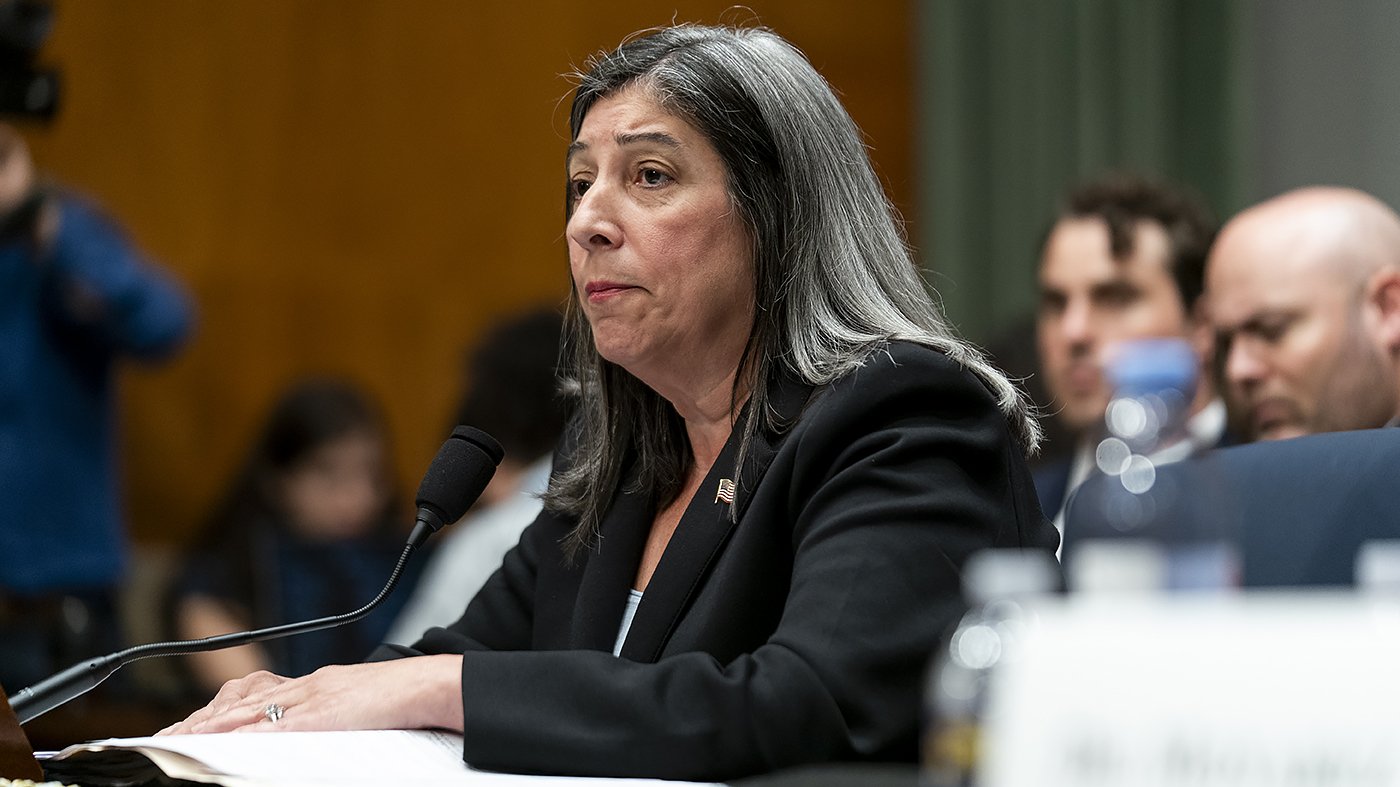
Dr. Debra Houry, who served as the chief medical officer at the Centers for Disease Control and Prevention until her resignation in August, delivered a blistering assessment of Health and Human Services Secretary Robert F. Kennedy Jr.’s leadership, accusing him of causing lasting damage to the nation’s public health infrastructure.
“I think the secretary has caused a lot of irreparable harm,” Houry told CBS News’s “Face the Nation” in an interview aired Sunday. She pointed to polling data showing trust in the CDC has plummeted by more than 20 percentage points under Kennedy’s tenure. “When states are removing links to the CDC website and following other medical organizations, I don’t know how you build back that trust overnight,” she added.

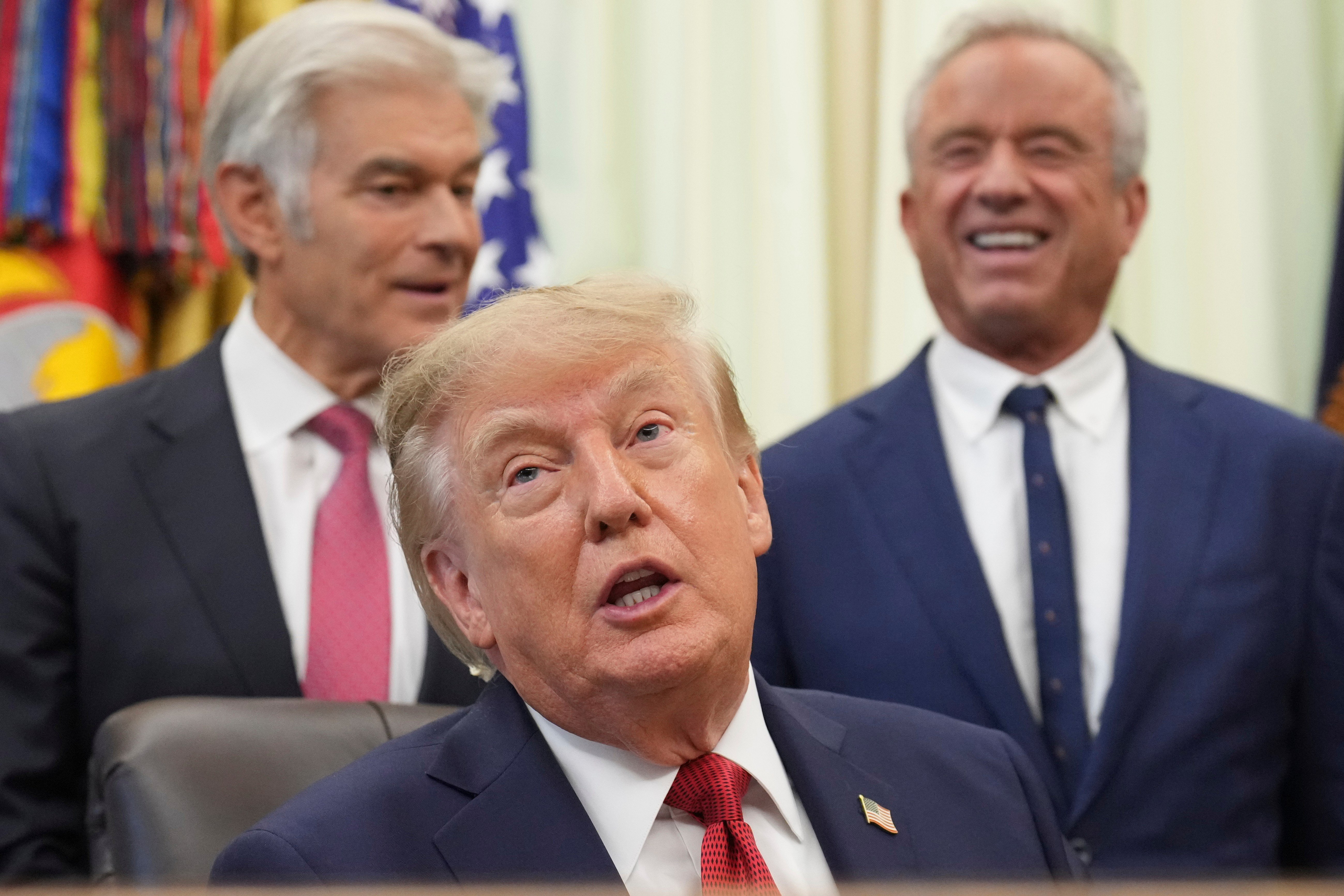
Kennedy took the helm at HHS in February 2025 and quickly asserted control over the CDC. In August, he forced out then-Director Susan Monarez after a clash over vaccine policy, a move that prompted Houry’s resignation after more than a decade at the agency. Kennedy also replaced members of the CDC’s vaccine advisory panel with his own appointees, leading to revisions in childhood immunization guidelines that reduced the number of recommended shots.
A federal judge intervened in March, blocking Kennedy’s appointment of over a dozen new panel members and halting a revised vaccine schedule HHS had issued in January. The legal setback has not slowed the broader erosion of confidence in federal health agencies, according to recent surveys.
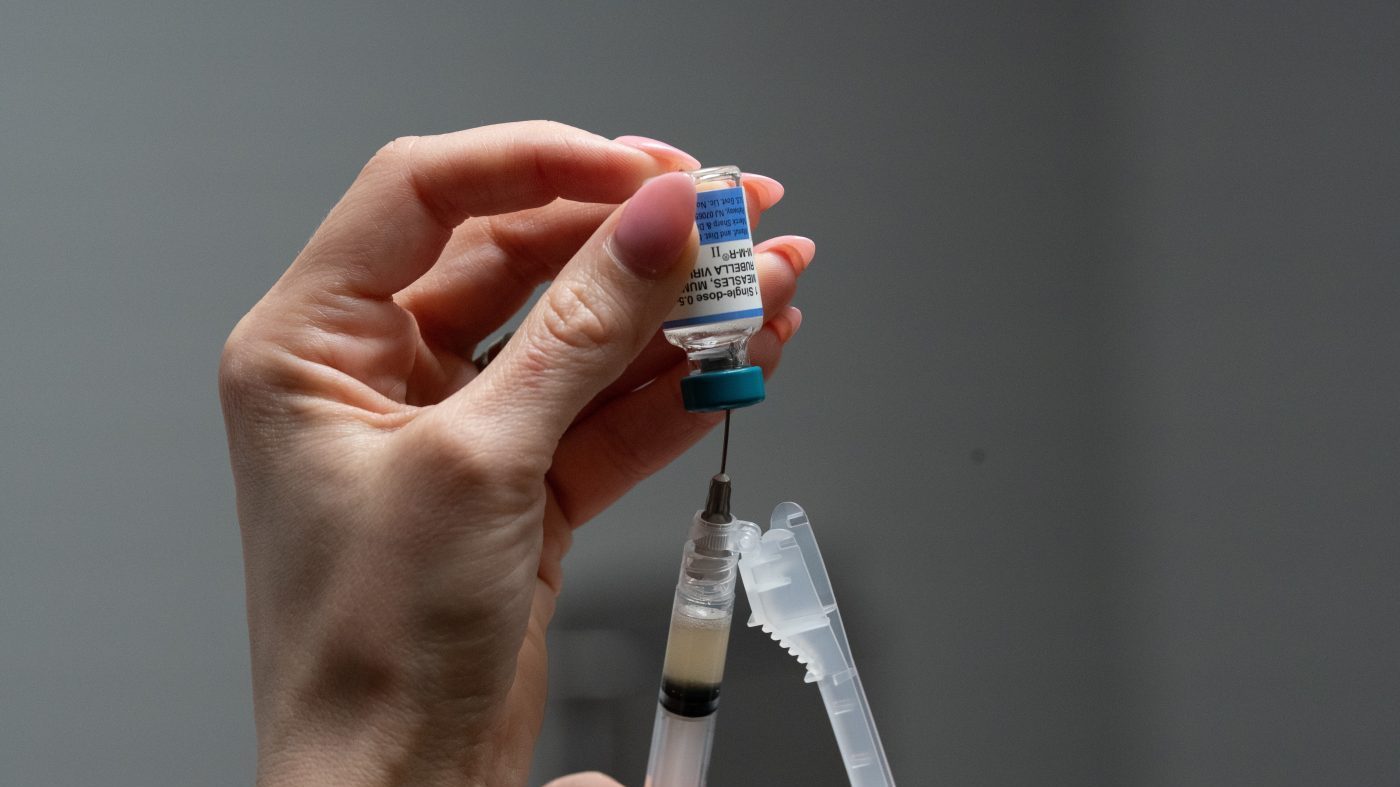
Meanwhile, the country has grappled with measles outbreaks in multiple states. Influenza and pneumonia have climbed from the 11th-leading cause of death in 2024 to the eighth in 2025, raising concerns among public health experts about the consequences of diminished trust in CDC guidance.
A Harvard T.H. Chan School of Public Health and de Beaumont Foundation poll conducted from March 19 to April 1 found that only 50 percent of 2,205 U.S. adults trust health recommendations from the CDC. That marks a sharp drop from spring 2025, when 77 percent of respondents in a similar survey expressed confidence in the agency.
The decline in trust has real-world implications. States are increasingly distancing themselves from federal recommendations, and some have removed links to CDC resources from their health department websites. Houry warned that restoring credibility will be a long-term challenge. “That’s really difficult to recover from,” she said.
Kennedy’s tenure has also drawn scrutiny from lawmakers. In a related development, DHS Chief Mullin faced a House grilling over deportation turmoil and FISA lapse, highlighting broader administrative turbulence within the Trump administration.
The political fallout extends beyond health policy. As trust in institutions erodes, the administration’s handling of public health could become a liability in upcoming elections. For now, Houry’s critique underscores a growing rift between career public health officials and political appointees at HHS.