The Federal Reserve's July meeting minutes, released Wednesday, indicate that a significant number of central bank officials see a potential need to raise interest rates again before the year ends. While the Federal Open Market Committee (FOMC) voted 9-3 to keep its benchmark rate unchanged at 3.5% to 3.75%, the minutes reveal internal debate over the persistence of inflation.
Most participants at the joint meeting of the FOMC and the Fed's Board of Governors still expect inflation to moderate in the coming months, but many also "noted the possibility that inflation might be more persistently elevated," according to the official record of the discussions.
The minutes point to two key factors keeping upward pressure on prices: elevated energy costs tied to the ongoing Iran conflict and the pass-through effects of President Trump's tariffs. These forces have kept inflation above the Fed's 2% target, complicating the central bank's path forward.
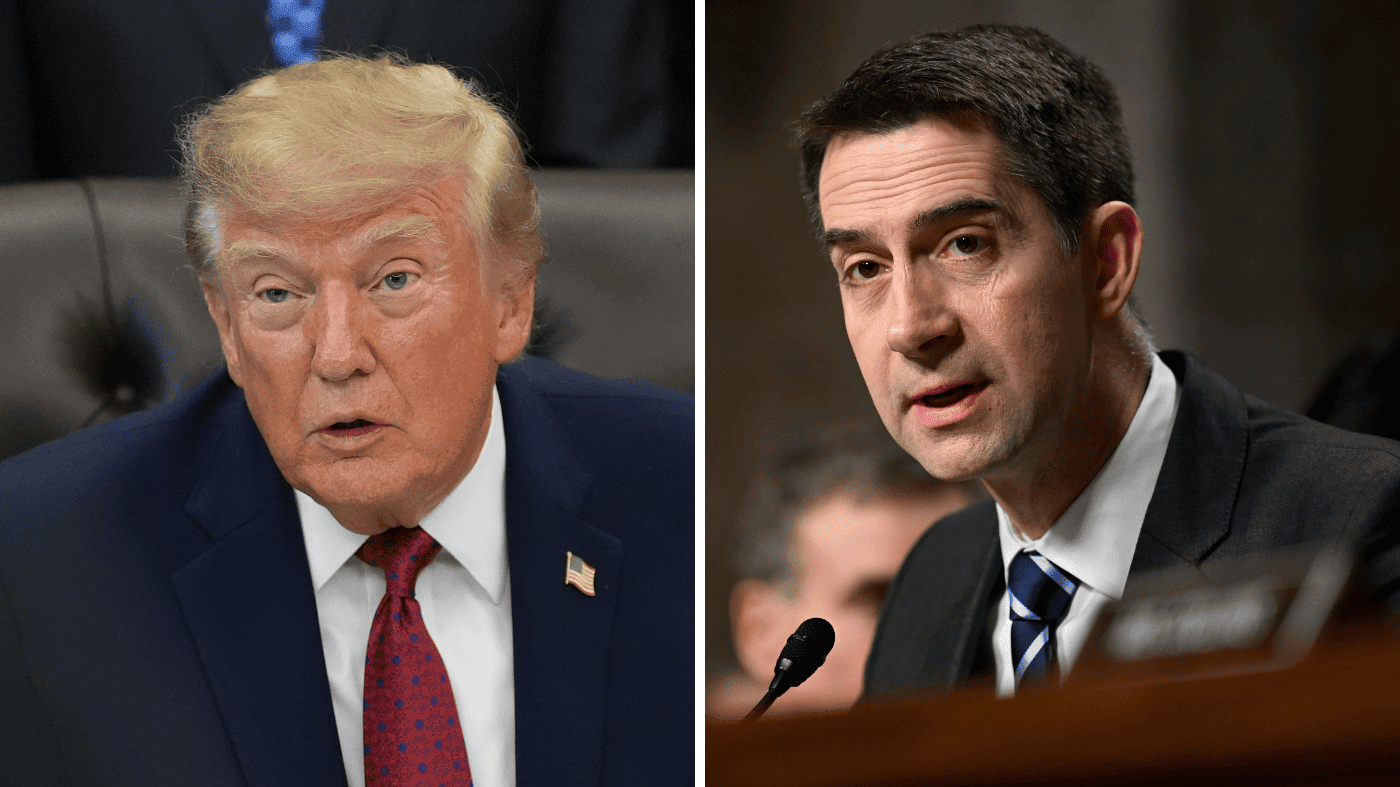
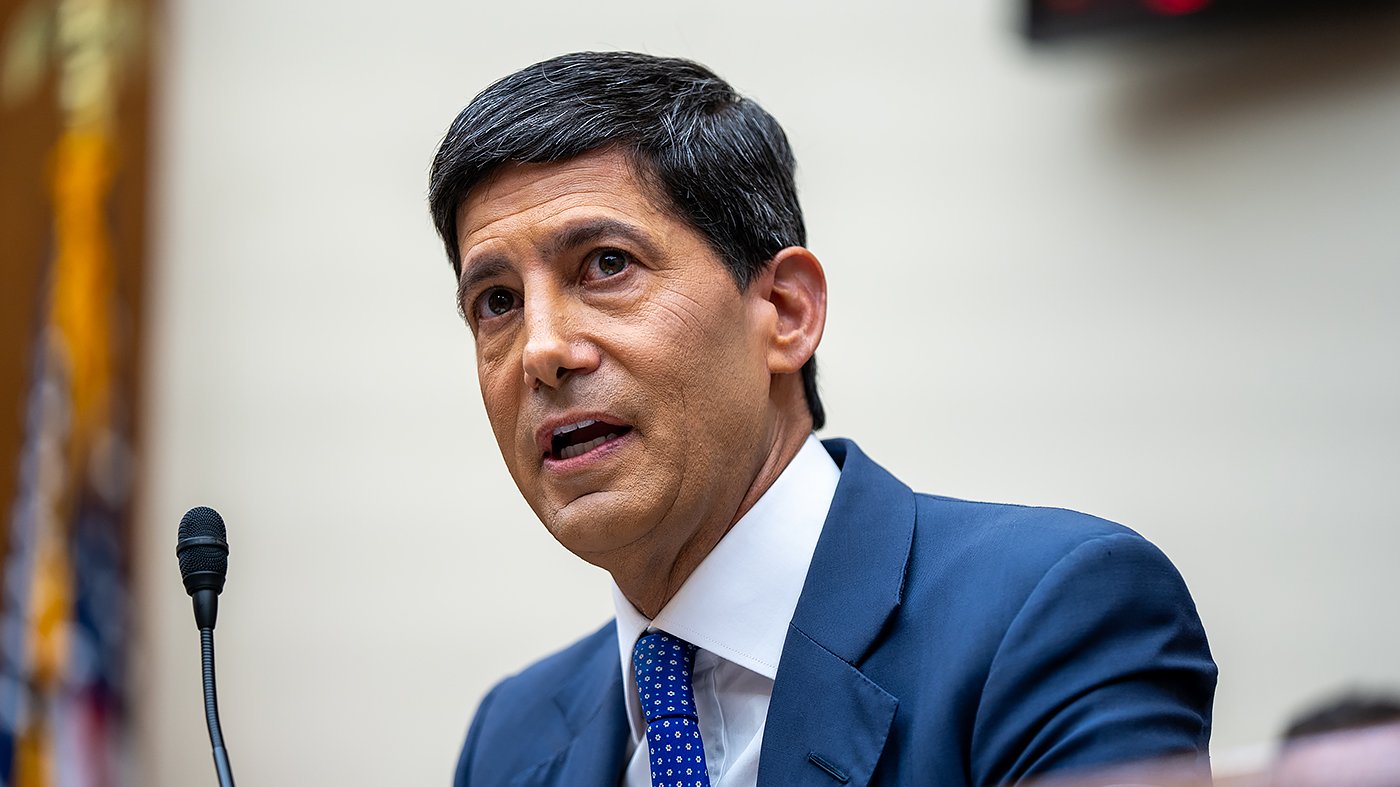
In a notable show of dissent, Dallas Fed President Lorie Logan, Cleveland Fed President Beth Hammack, and Minneapolis Fed President Neel Kashkari all voted for a quarter-point rate increase. Their push for immediate action reflects a faction within the Fed that believes tighter policy is needed now to prevent inflation from becoming entrenched.
Indeed, the minutes state that many participants "assessed that policy tightening would likely be necessary if inflation did not decline." That language suggests the door remains open for another hike at one of the remaining meetings this year, including the September 15-16 session, which will be the third-to-last of 2025.
Recent inflation data underscores the challenge. The consumer price index rose 3.4% in July on an annual basis, while the Fed's preferred gauge, the personal consumption expenditures (PCE) index, showed 3.7% inflation in June. The next PCE reading is due next Wednesday and will be closely watched for signals on the trajectory of prices.
Fed Chair Kevin Warsh, who has faced criticism from President Trump for not cutting rates, reiterated the committee's commitment to its 2% inflation goal. "There is no soft inflation target, there is no soft implicit target, not on this committee's watch," Warsh told reporters after the meeting. "There's only a target, and it's 2 percent."
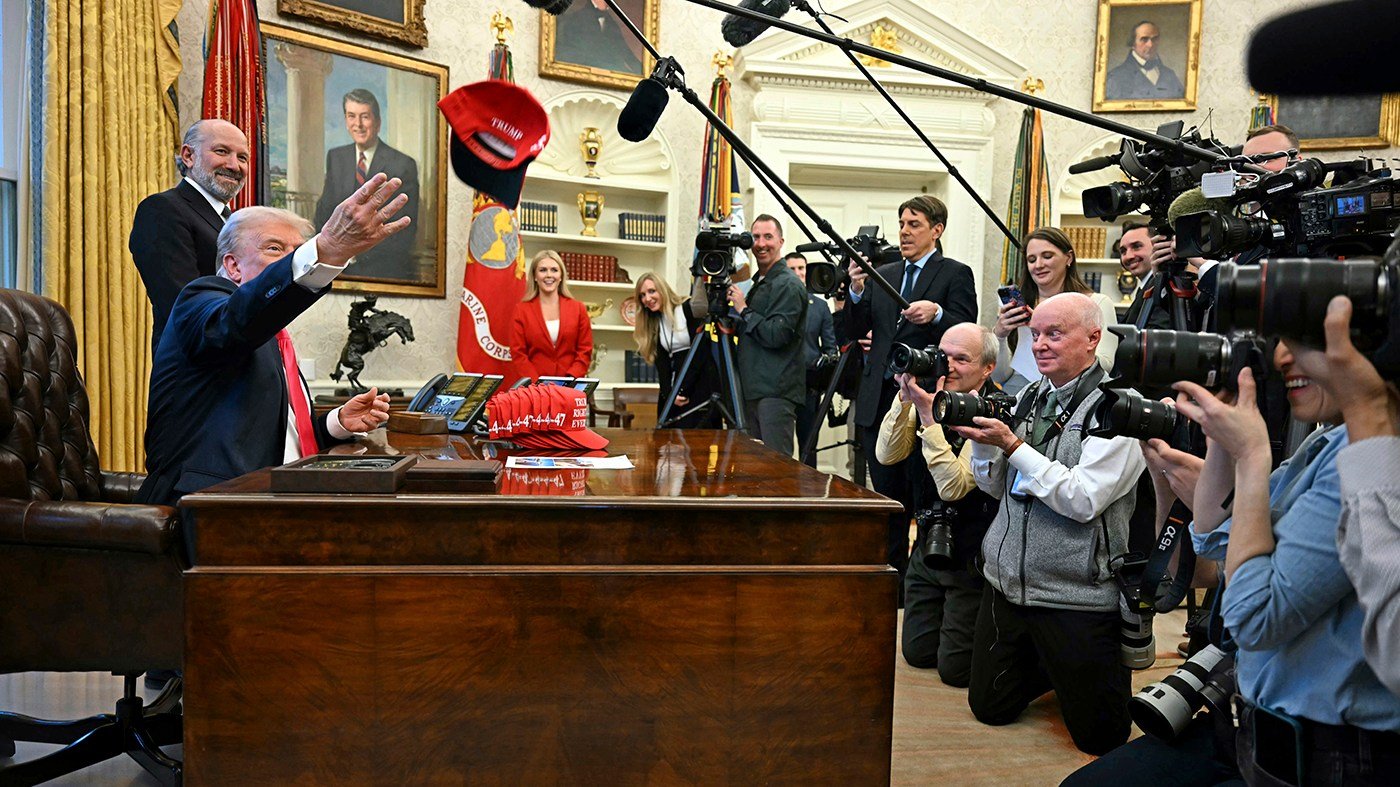
Trump, however, renewed his push for lower rates on Wednesday, calling current levels "artificially" high. "They raise them for no reason, and you can't go out to the market when you have a Fed that's raising interest rates," he said during a White House meeting with cryptocurrency executives. The president's comments come as the administration continues to pressure the central bank, a dynamic that has sparked concerns about Fed independence.
The Fed's own projections from June show that nine of 19 officials expected at least one rate hike this year, suggesting the committee is divided on the need for further tightening. With inflation still running well above target, the next few months will be critical in determining whether the Fed acts again or holds steady through year-end.