The United Arab Emirates announced on Tuesday that it is severing all trade and financial ties with Iran, following the detection of two missiles launched from Iranian territory that landed in or near Emirati waters. The decision marks a significant escalation in the Gulf region's response to Tehran's aggressive actions.
In an official statement posted on the social media platform X, Afra Al Hameli, the director of the Strategic Communications Department at the UAE's Ministry of Foreign Affairs, said: "In light of regional escalations that undermine regional and international peace and security, all trade, commercial exchanges, and financial transactions with Iran have been halted until further notice." The measure applies immediately and will remain in effect until the security situation stabilizes.
Missile Incidents and Defense Response
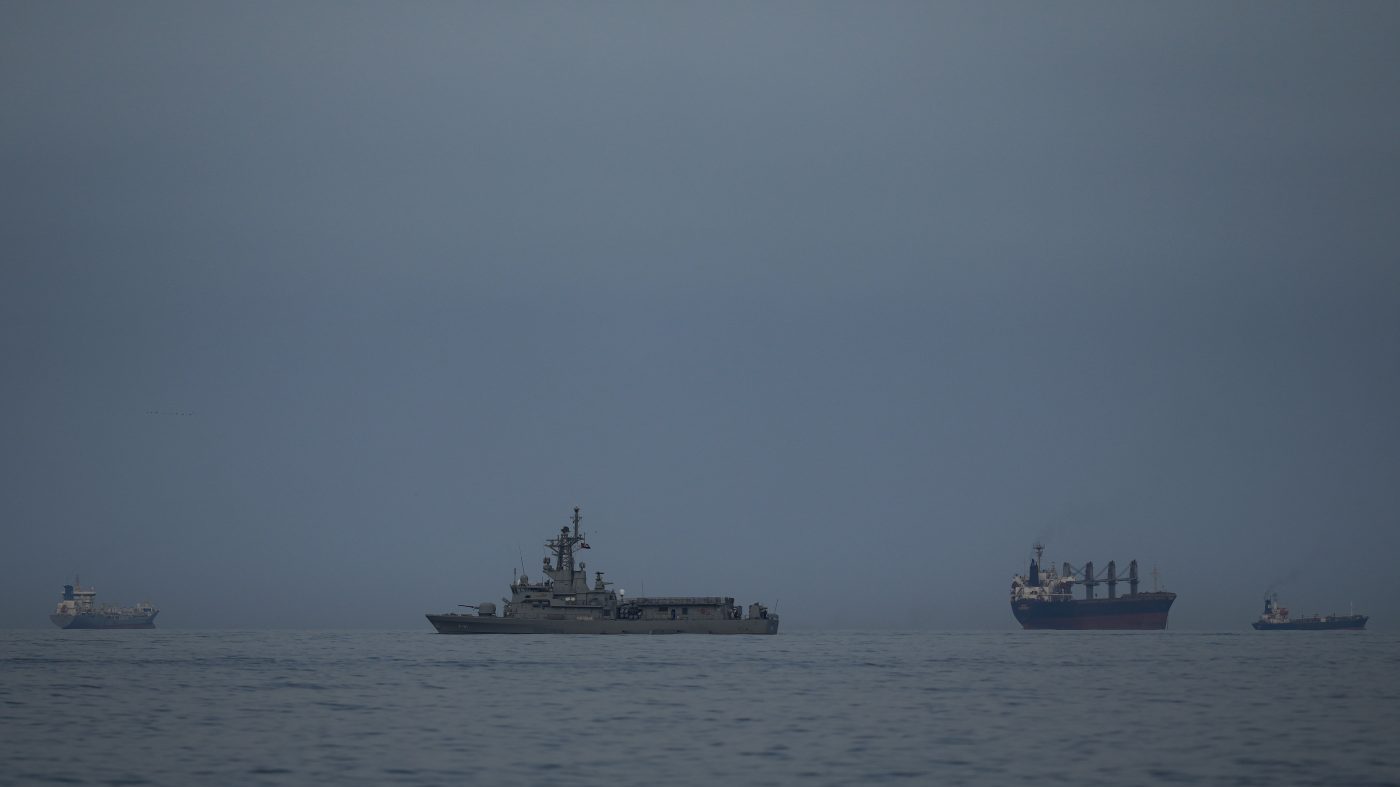
Earlier on Tuesday, the UAE's defense ministry reported that its armed forces had detected two ballistic missiles launched from Iran. One of the missiles landed outside the nation's territorial waters, while the other fell well within its claimed maritime boundaries. The ministry did not specify the exact locations or whether any damage or casualties occurred, but the incident has heightened concerns about the safety of Gulf shipping lanes.
The defense ministry issued a statement affirming its readiness: "The Ministry of Defence affirms that it remains on high alert and fully prepared to address any threats, and to respond firmly to any attempt aiming to undermine the security of the UAE, in a manner that safeguards its sovereignty, security and stability, and protects its interests and national capabilities." The UAE's air defense systems successfully tracked the missiles, but no interception was attempted as they landed in water.
Regional Context and U.S.-Iran Tensions
The missile launches come as diplomatic efforts between Washington and Tehran appear to have collapsed. The conflict between the United States and Iran is approaching its six-month mark, and its economic consequences are being felt globally. Oil and gas prices have spiked, and traditional alliances have been strained as the crisis deepens.
President Trump has escalated his rhetoric against both adversaries and allies. On Monday, he warned Oman against deepening its negotiations with Tehran, particularly regarding the development of new shipping routes in the Strait of Hormuz. The president threatened to "bomb the s---" out of Oman if it obstructed U.S.-Iran talks aimed at reopening the critical oil shipping lane. The Strait of Hormuz is a vital chokepoint for global oil shipments, and any disruption there could have severe consequences for the world economy.
The UAE's decision to halt trade with Iran is a clear signal of its alignment with U.S. efforts to pressure Tehran. It also underscores the growing isolation of Iran within the Gulf Cooperation Council, as member states increasingly view its missile program and regional proxies as direct threats. This development is likely to have ripple effects on regional trade dynamics, particularly in sectors such as re-exports and banking, where the UAE has historically been a hub for Iranian business.
Analysts note that the UAE's move could also impact the broader sanctions regime, as it may encourage other Gulf states to take similar measures. However, the full economic consequences remain unclear, as Iran has long relied on the UAE as a conduit for goods and financial flows. The suspension of trade is expected to hit Iranian imports of consumer goods and machinery, while Emirati businesses with exposure to the Iranian market will face significant losses.
The situation remains fluid, and the UAE has indicated that it will reassess the measure based on security developments. Meanwhile, the international community watches closely, as any further escalation could destabilize an already volatile region. For now, the UAE has drawn a clear line, prioritizing its national security over economic ties with its neighbor.