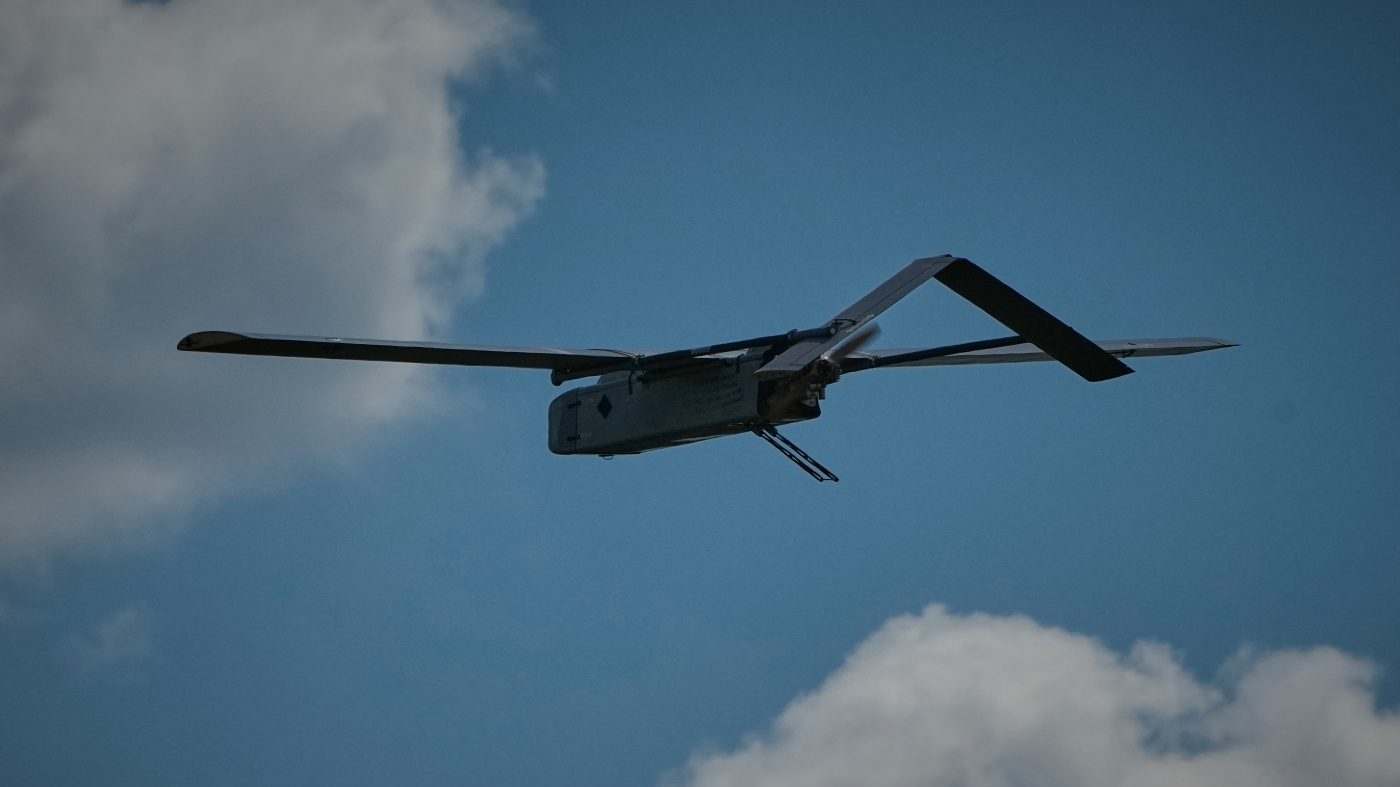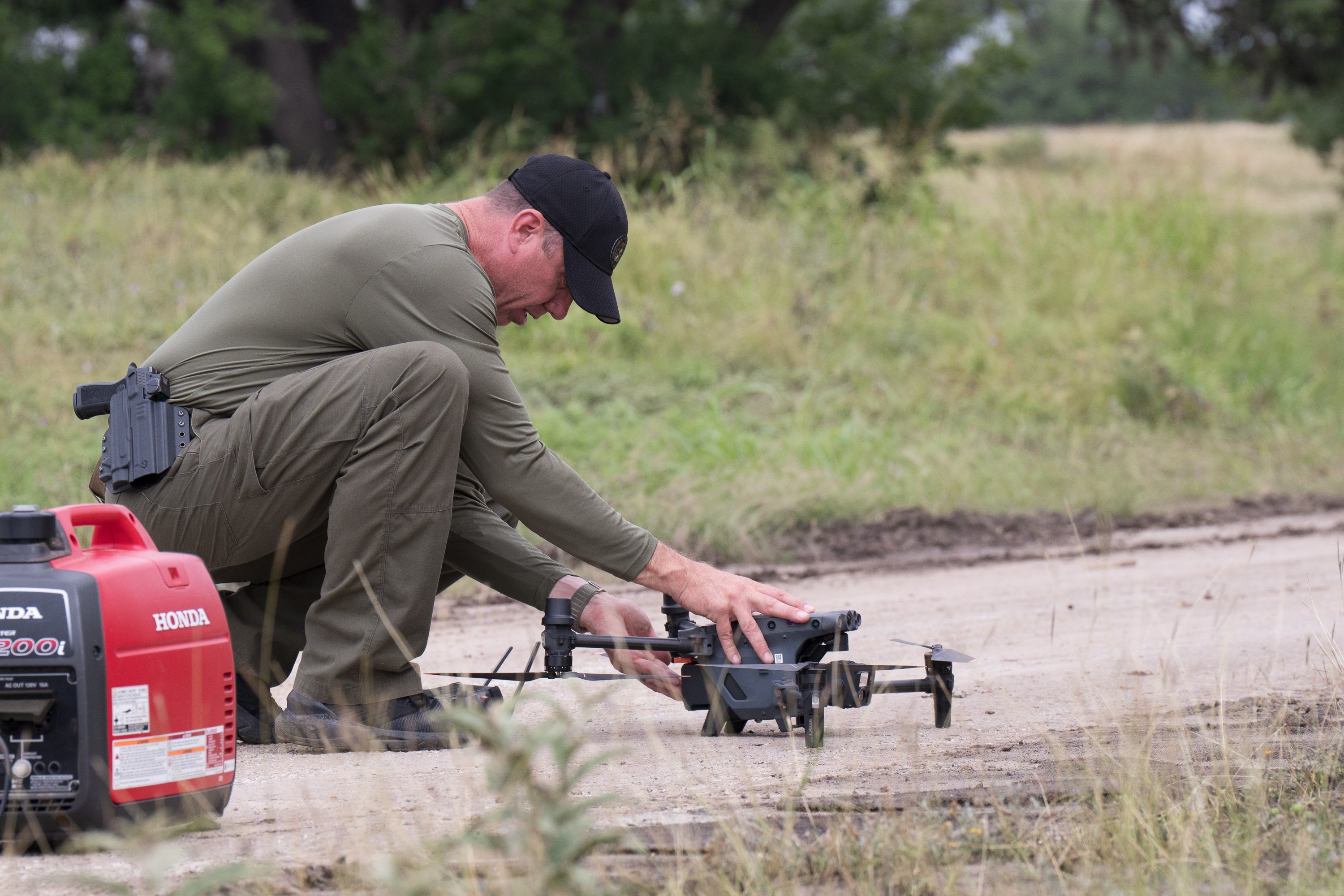
Search and rescue teams across the country may lose access to affordable, high-performance drones if the Federal Communications Commission (FCC) follows through on a controversial proposal, according to a Utah official who says the technology has already saved dozens of lives.
Kyle Nordfors, who coordinates drone operations for Weber County Search and Rescue in northern Utah and chairs the UAS committee for the Mountain Rescue Association, said the FCC's plan to categorize many commercially available drones as "military-grade" would effectively ban their purchase by civilian agencies. The rule would target features like thermal imaging and LiDAR, which are essential for finding missing people in rugged terrain and for avoiding obstacles such as trees and cliffs.
"Drones have fundamentally transformed how we conduct rescues," Nordfors said in an interview. "We save more lives and get rescuers home safer and faster than ever before." He cited a recent case where a missing snowboarder was located in just 10 minutes using a drone with a thermal camera, a task that would have taken ground teams hours or required a costly helicopter.
Nordfors estimates his team has saved 25 to 30 lives with drones, cutting average search times from four and a half hours to under one hour. The cost is also a factor: a helicopter can run millions of dollars, while his entire fleet of 12 drones was purchased for roughly $90,000.
The FCC proposal, however, threatens to upend that math. Nordfors said American-made drones that would remain available cost three to eight times more and deliver less than half the capability of the models his team uses, including shorter flight times, weaker thermal sensors, and poorer performance in cold or windy conditions. "I've tested them," he said. "None match what we currently use."
The proposal has drawn widespread opposition. An analysis by the Pilot Institute found that 98.6 percent of public comments were against it, with only 16 in support. Many of those opposed are from agencies like Nordfors's.
Nordfors is not opposed to supporting the domestic drone industry, but he argues the proposal would hurt the very teams that need the equipment most. "It's the small counties and volunteer teams that cannot absorb a massive price hike on life-saving gear," he said.
He invited policymakers to visit Utah and see the difference firsthand. "Once you do, you'll ask yourself what equipment you'd want if your own family was lost in the mountains," he said. "Why would anyone want to take these drones out of our hands when they are the best chance we have to get people home safely?"
The FCC has not yet scheduled a vote on the proposal. Nordfors's comments come as the agency continues to weigh restrictions on foreign-made drones, a move that has drawn attention from both industry and public safety groups. Similar concerns have been raised in other areas of emergency management, where officials worry about the availability of critical tools.
For Nordfors, the stakes are personal. As a 25-year aviation veteran and current Boeing 737 captain, he knows the value of reliable equipment in high-stakes situations. "We aren't pretending to be policy experts," he said. "But we know what works in a rescue."