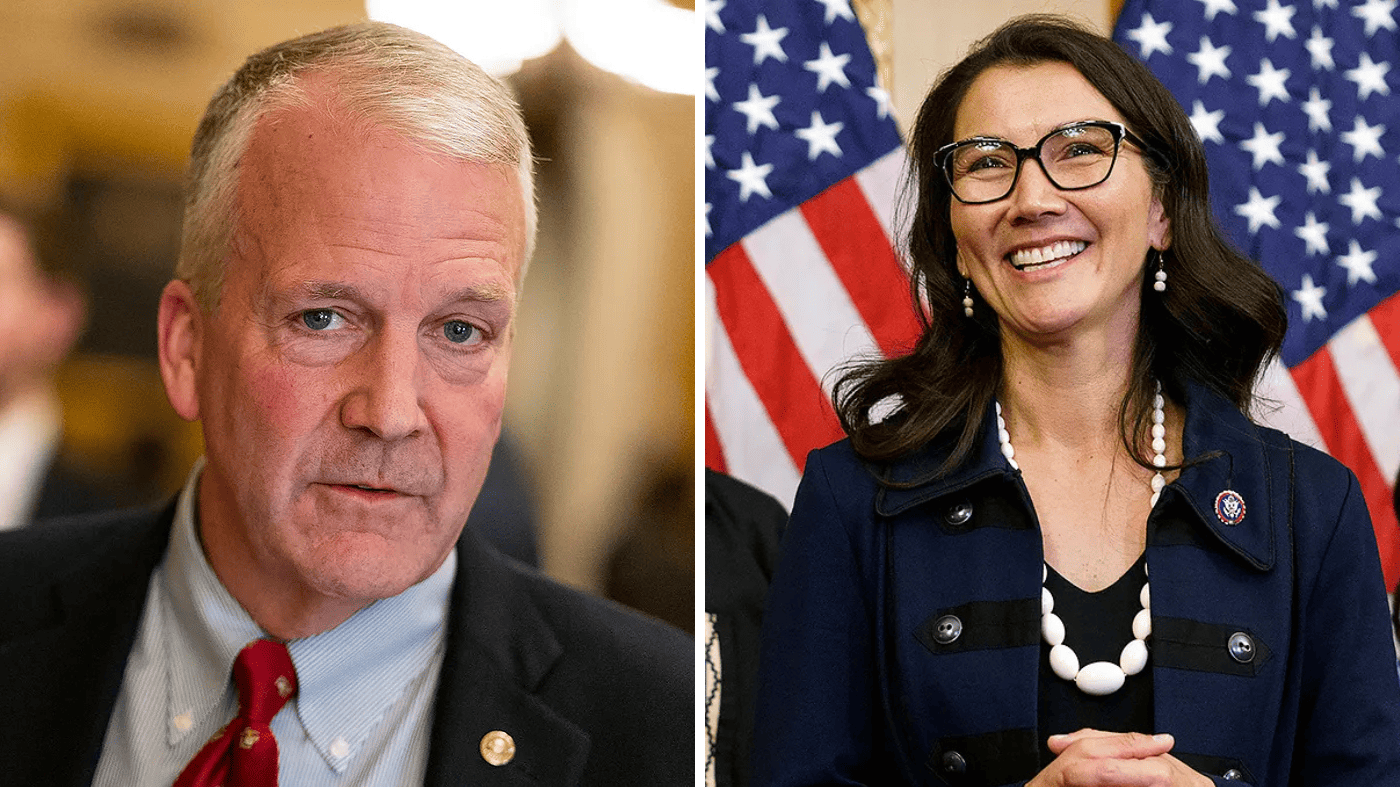
Alaska's U.S. Senate race is now a two-person contest, with Democrat Mary Peltola and Republican incumbent Dan Sullivan advancing past the state's open primary, according to projections from Decision Desk HQ. Under Alaska's top-four primary system, the two will be joined by other candidates on the November ballot, but the ranked-choice general election is expected to come down to the former congresswoman and the two-term senator.
This is the third election cycle under the voting system Alaskans adopted in 2020, which replaced party primaries with a single ballot and instituted ranked-choice voting in the general election. The system has reshaped the state's political dynamics, allowing for crossover appeal and making traditional partisan math less predictable.
A rare Democratic opportunity
Alaska has been reliably Republican for decades, and Sullivan has held this seat since 2015. But Peltola's 2022 victory in the state's at-large House district—the first Alaska Native elected to Congress—demonstrated that a Democrat can win statewide. Her loss in 2024, however, showed the challenge of holding such a seat. Still, her Senate bid has energized national Democrats, who see a genuine pickup opportunity in a state where the GOP nominee faces unusual headwinds.
One of those headwinds is the presence of a Republican rival with the same name—Dan Sullivan—who refused to be removed from the ballot, raising the prospect of voter confusion. The incumbent has had to spend time and resources clarifying which Dan Sullivan is the real one, a distraction that could matter in a close race.
Toss-up status and outside money
Both Cook Political Report and Decision Desk HQ rate the race as a toss-up, with DDHQ's model giving Democrats a slight edge. The national stakes have drawn heavy spending: the Senate Leadership Fund, aligned with Senate Majority Leader John Thune, announced an additional $2 million investment last week, bringing its total to $17 million. Peltola outraised Sullivan in the second quarter, pulling in nearly $7 million to his $2 million, though Sullivan holds a cash-on-hand advantage.
The contest is also intertwined with a ballot measure that would repeal the ranked-choice voting system. Tech billionaire Elon Musk has reportedly poured money into the repeal effort, which failed narrowly in 2024. The outcome of that measure could affect the Senate race's dynamics, though both candidates have had to navigate the current rules.
As the campaign shifts to the general election, both candidates are expected to focus on Alaska-specific issues—energy, fisheries, and federal spending—while national groups pour in more ads. The race remains one of the most closely watched of the cycle, with control of the Senate potentially hinging on such battlegrounds.