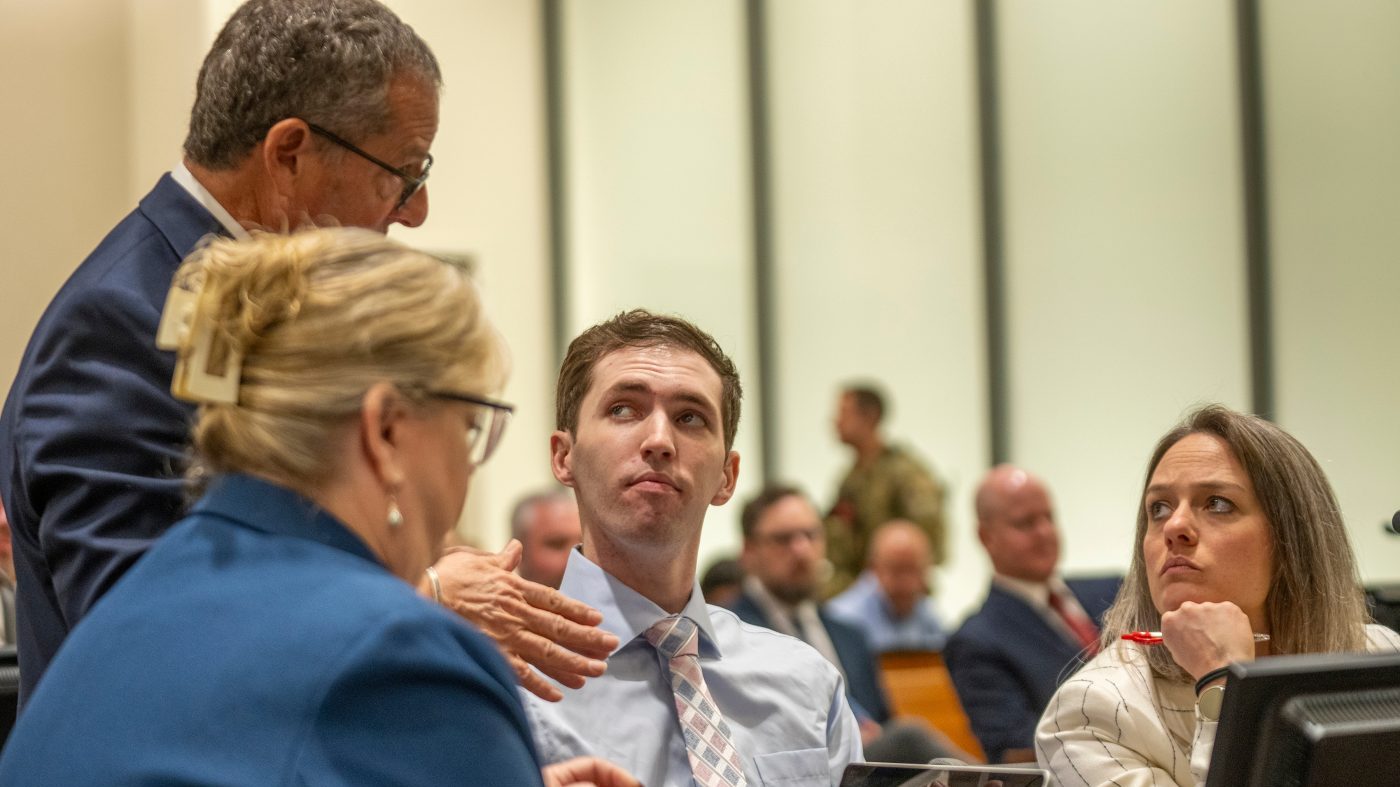
Prosecutors in Utah are arguing that the bullet that killed conservative commentator Charlie Kirk was engraved with a political message, and that text messages from the alleged shooter show he was motivated by Kirk's political views. The claim is central to their push to make the suspect, Tyler Robinson, eligible for the death penalty.
In a recent court filing, prosecutors highlighted that Robinson allegedly engraved one of the cartridges used in his grandfather's rifle with the phrase “Hey fascist, catch,” which they say is an overt political reference. They also pointed to a text message Robinson allegedly sent about Kirk, in which he wrote: “I had enough of his hatred. Some hate can’t be negotiated out.”
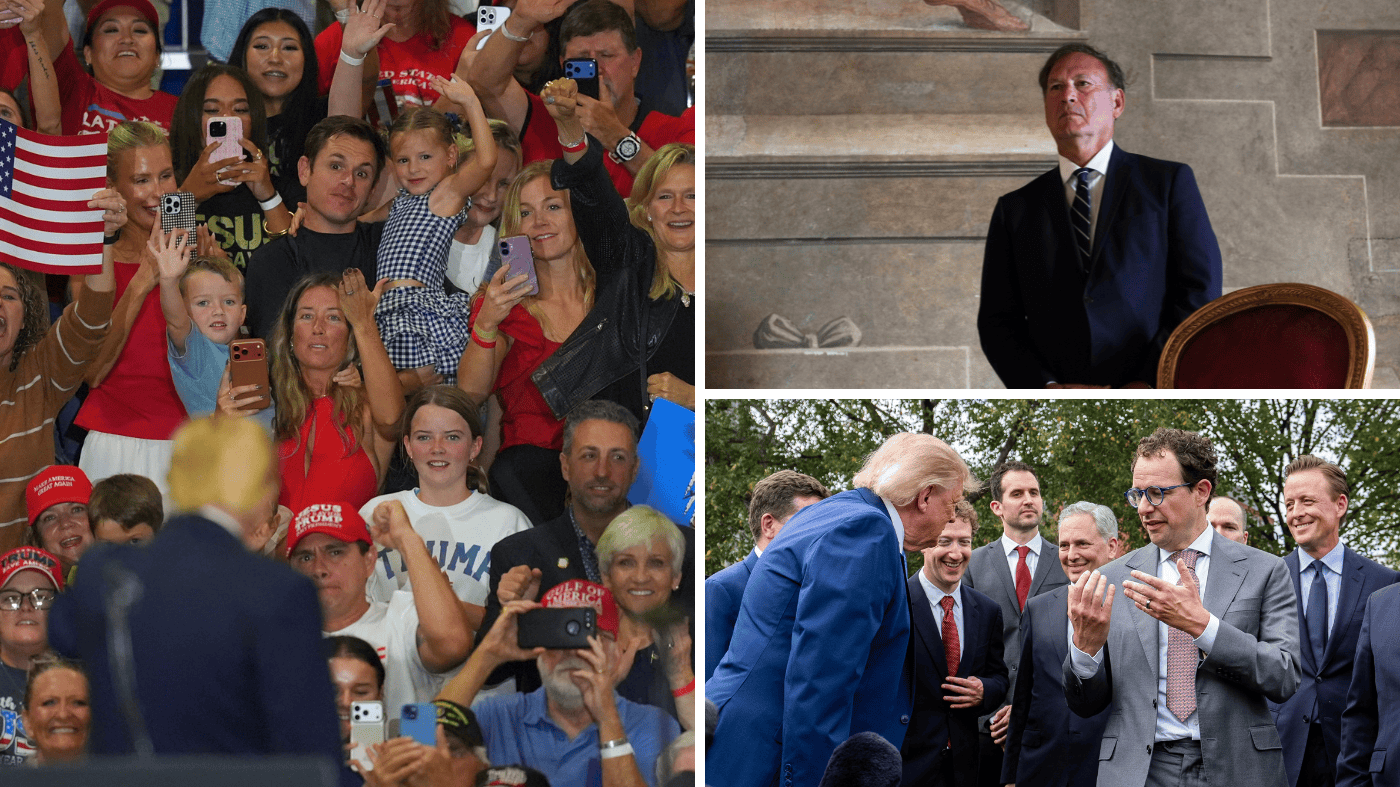
Prosecutors argue that Robinson's animosity toward Kirk's political stances—including his opposition to same-sex marriage and transgender rights—put the thousands of attendees at Kirk's Utah Valley University event at risk, a factor that would qualify for the death penalty under state law. They noted that Kirk's appearance at the university was intended to “persuade attendees to follow a mindset rooted in … politically-conservative values.”
Robinson faces charges of aggravated murder and other offenses. In Utah, a conviction for aggravated murder requires at least one “statutory aggravating factor,” such as a prior violent felony conviction. If prosecutors can prove that Robinson intended to harm the crowd and Kirk because of their political beliefs, they could argue he posed “a great risk of death” to others, making him eligible for capital punishment.
However, Robinson's defense team has pushed back, filing a motion on August 11 disputing the strength of the evidence. They argue that the text message is insufficient to prove a political motive, and they maintain that the shooter “hit the intended target” without endangering anyone else. According to the defense, evidence provided to the Utah County attorney's office shows that no one other than Kirk was in the line of fire during the shooting.
“The only evidence presented supports that the bullets traveled above, not through, the crowd,” Robinson's lawyers wrote.
Prosecutors counter that the elevation and distance between Kirk and the crowd were “so negligible that it does not place these others outside the line of fire.” They argue that Robinson's actions created a substantial risk to the public, a key element in the death penalty determination.
The case has drawn national attention, reflecting broader debates about political violence and the intersection of free speech and public safety. Similar concerns have been raised in other contexts, such as a recent Gallup poll showing that 1 in 10 Americans now see politics as a top safety threat. The shooting also echoes other incidents where political rhetoric has been linked to violence, including warnings about anti-Muslim rhetoric in politics.
Legal experts say the outcome of this dispute could set a precedent for how courts handle political motivation in capital cases. The defense's argument that the shooter did not endanger the crowd is a key point, as highlighted in a related defense filing that blocked the death penalty. The judge's decision on the aggravating factor could determine whether Robinson faces life in prison or execution.
Kirk was a polarizing figure, known for his conservative activism and his organization Turning Point USA. His death has sparked reactions from both sides of the political aisle, with some condemning the violence and others using it to highlight the dangers of political division. The case continues to unfold as both sides prepare for trial.