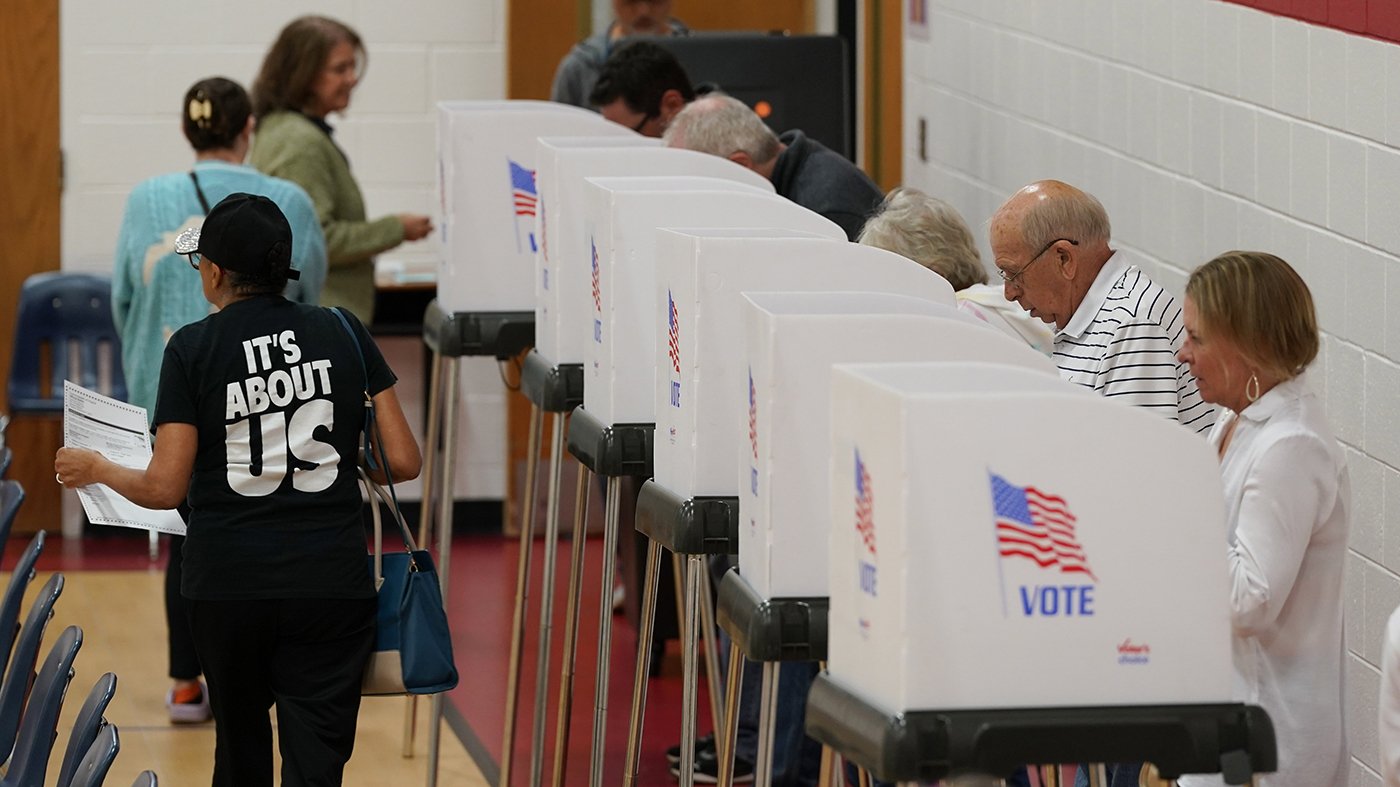
A growing share of Americans now view politics as the leading threat to their personal safety, according to a new global risk survey conducted by the Lloyd’s Register Foundation in partnership with Gallup. Ten percent of U.S. respondents identified politics as the “greatest source of risk” in their daily lives—up from 6 percent in both 2021 and 2023.
That figure places the United States ahead of every other country surveyed on this metric, signaling a deepening anxiety about political instability and violence at home. The findings come amid a string of high-profile incidents that have brought political violence to the forefront of American life, including multiple assassination attempts against former President Donald Trump during his 2024 campaign, the January 6, 2021, Capitol riot, and the murder of conservative activist Charlie Kirk.
Broader Context of Political Risk
The poll’s results reflect a broader unease that has been building for years. An October survey found that nearly one-third of Americans believe some violence could be justified to “get the country back on track,” underscoring the depth of partisan polarization. The new data suggests that fear of political violence is no longer confined to fringe groups but is now a mainstream concern.
Secretary of State Marco Rubio recently convened officials from more than 60 countries to warn about what his department described as a rise in far-left political violence globally. Rubio called for an “international response” to the issue at the summit, framing it as a transnational threat that transcends borders.
Other Top Risks: Road Accidents and Crime
Despite the jump in political risk perception, road-related accidents remain the most commonly cited danger, with 34 percent of U.S. respondents naming them as their greatest daily safety threat. Crime and violence came in second at nearly 20 percent, while personal health conditions or mental health issues were flagged by 5 percent of respondents.
This hierarchy of concerns mirrors past surveys, but the sharp increase in political risk stands out. The Lloyd’s Register Foundation report, conducted throughout 2025, surveyed 4,000 people worldwide. The margin of sampling error ranges from plus or minus 2.2 percentage points to plus or minus 5.5 percentage points at the national level, giving the findings solid statistical grounding.
Implications for Policy and Public Discourse
The data arrives as the U.S. grapples with a series of political crises that have eroded public trust in institutions. The generational chasm in political attitudes—often deeper than the partisan divide—has been a recurring theme in recent analyses, with younger Americans expressing more anxiety about climate-driven migration and older voters focused on economic security.
Some experts argue that the rise in political risk perception could fuel further polarization, as citizens become more fearful of those on the opposite side of the political spectrum. Others see it as a wake-up call for leaders to dial down rhetoric and address the root causes of political violence.
The poll also comes amid ongoing debates over safety in other domains, from foodborne illness outbreaks to artificial intelligence policy shifts. As the nation’s political temperature remains high, the question of how to restore a sense of security—both physical and civic—is likely to dominate the 2026 midterm cycle.