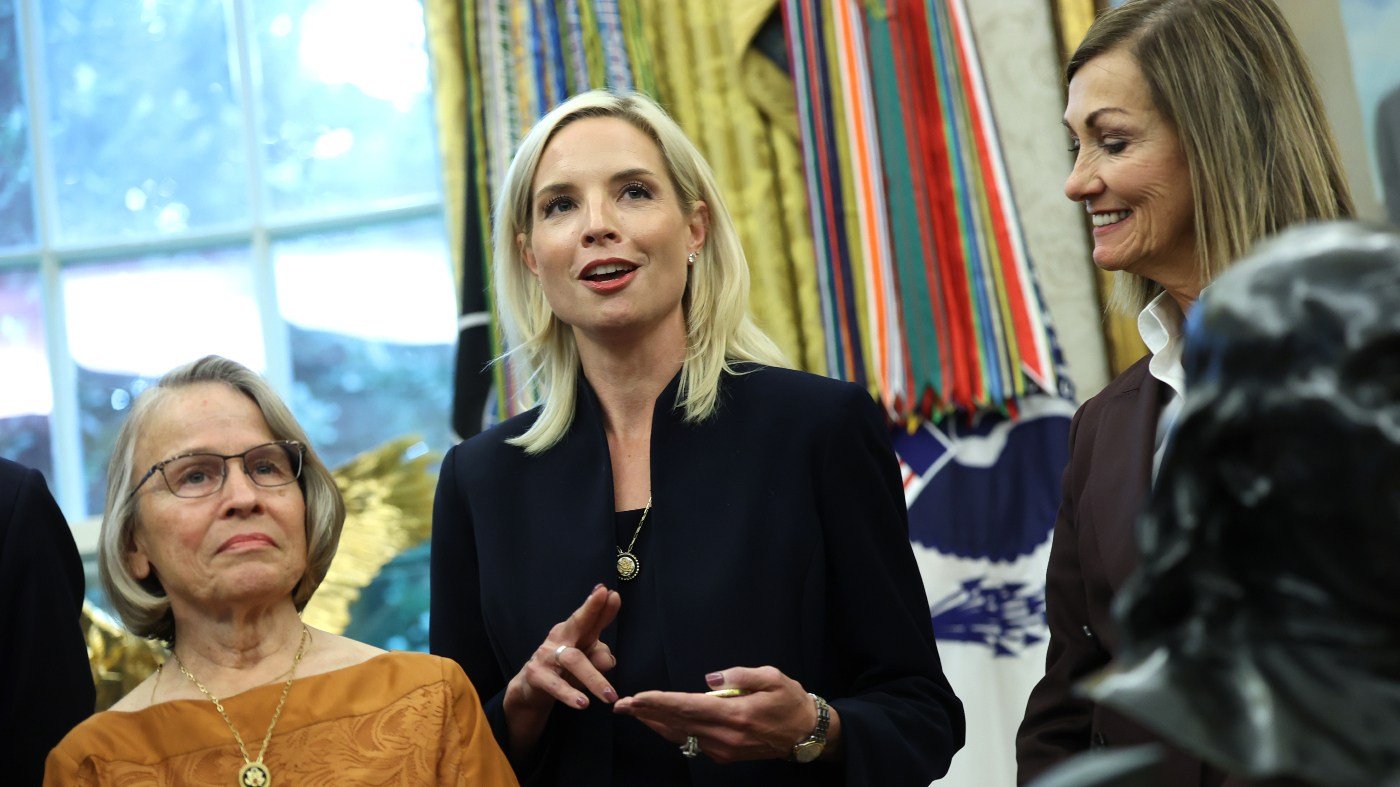
A troubling pattern is emerging in American political discourse: a religious litmus test that treats the faith of millions as a basis for suspicion, casts Muslim public servants as inherent threats, and frames their civic participation as something to fear. This test must be rejected by anyone who believes that religion should never determine who gets to serve in our democracy.
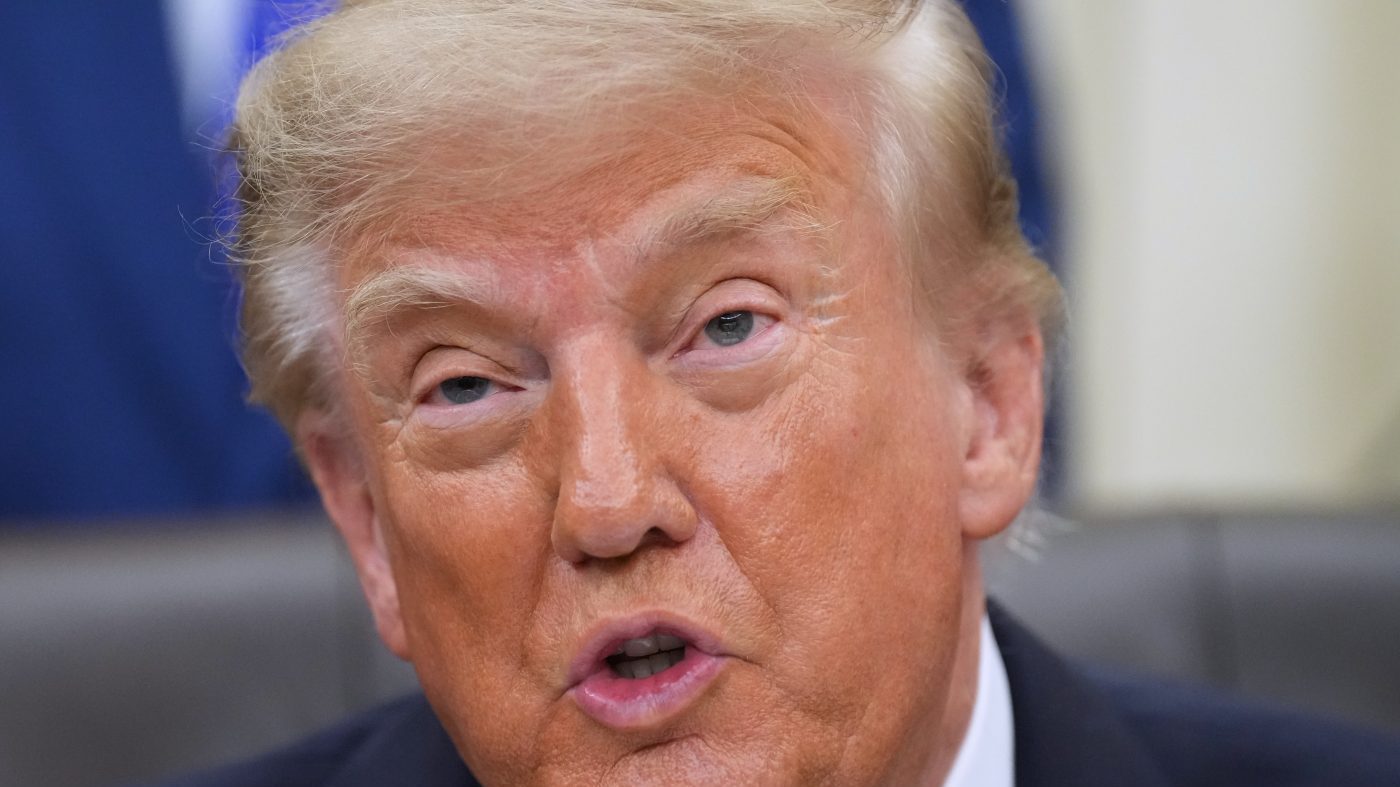
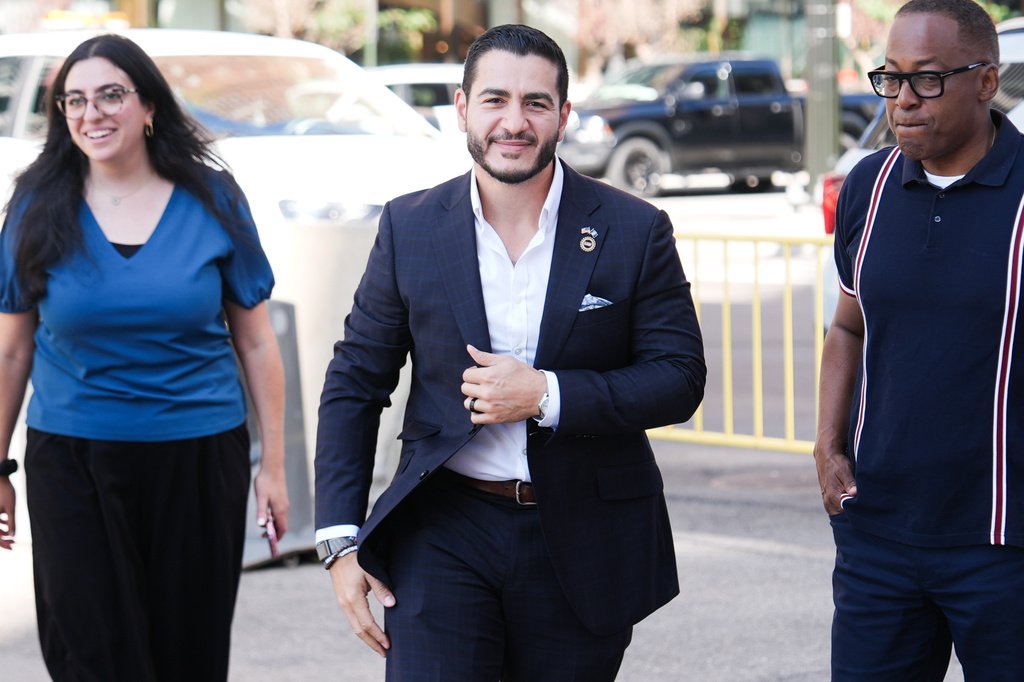
In recent weeks, prominent elected officials have escalated rhetoric that paints Muslim Americans as disloyal or unpatriotic—not because of their actions, but because of their names, ethnicity, and how they worship. Senator Tommy Tuberville (R-Ala.) called Abdul El-Sayed, a Muslim American physician and former public health official running for Senate in Michigan, a “terrorist.” Representative Nancy Mace (R-S.C.) went further, asserting that “every single Muslim holding public office in America” poses a national security risk. And President Donald Trump has claimed that “jihadists” are “being elected all over the place.”
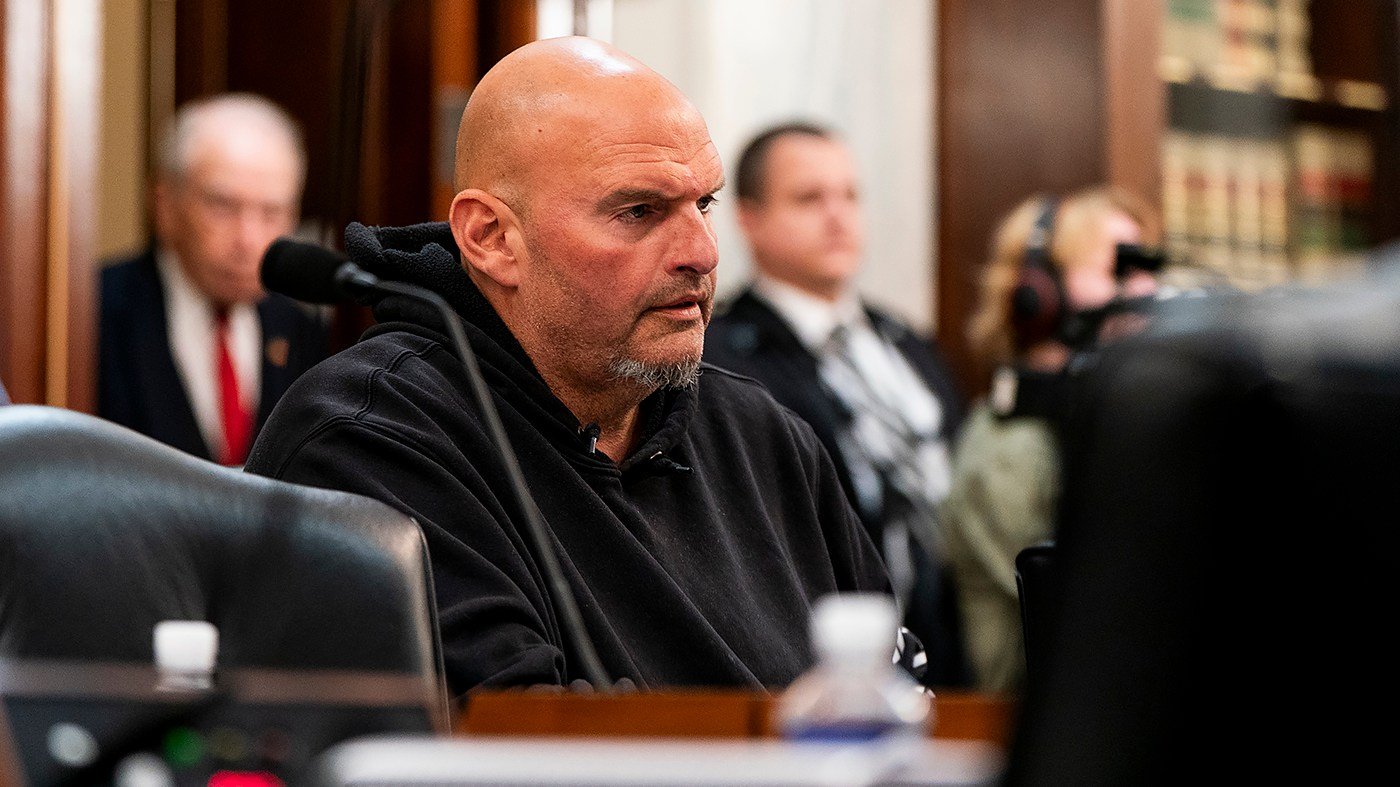
These attacks demand a swift and strong response, regardless of party affiliation. Demonizing Americans based on faith is a fundamental civil-rights violation, whether it comes from the left or right, and whether it targets a candidate you support or oppose. Instead of engaging with policy positions or political agendas, these officials have resorted to character assassination, labeling individuals “un-American” solely because they are Muslim.
Such rhetoric undermines the constitutional principles of religious freedom and equal citizenship. America has faced this kind of loyalty test before. After the Civil War, African Americans who gained political power during Reconstruction were falsely portrayed as dangerous and unfit for self-governance. Japanese Americans were branded potential saboteurs during World War II. Catholics were once accused of divided loyalties. The circumstances differ, but the tactic is disturbingly familiar: cast a minority community as a Trojan horse, mischaracterize its civic engagement as a threat, and suddenly discrimination can be packaged as patriotism.
This approach has emboldened Islamophobia at the highest levels of government. For decades, Muslim communities have been encouraged to participate in American democracy—to vote, volunteer, serve on school boards and city councils, and run for office. They are doing exactly that. Yet some politicians seem comfortable with Muslim participation only if it remains invisible: cast your ballot, but don’t appear on one; work in government, but don’t exercise real influence; embrace democracy, but don’t become too successful at practicing it. These double standards must end.
The Constitution is unambiguous. Article VI explicitly prohibits religious tests for public office, and the First Amendment guarantees religious freedom—with no faith-based exceptions. No American should have to renounce their religious identity to serve their country. Elected officials across the political spectrum should unequivocally condemn anti-Muslim rhetoric, including when it comes from members of their own party. Bigotry must be identified and named.
The Council on American-Islamic Relations (CAIR), the nation’s largest Muslim civil rights organization, has documented a surge in anti-Muslim hate. Its 2026 report recorded a record 8,683 discrimination complaints nationwide during 2025—the highest annual total since tracking began in 1996. Hate and discrimination shape the environment in which ordinary people live, worship, work, and send their children to school. Speaking out has an impact.
Americans should respond to political intimidation with more civic participation: register to vote, help others register, attend school-board meetings and town halls, learn how government works, apply for boards and commissions, and volunteer in your community. Reject the premise that Muslim participation endangers America; it enriches our democracy.
Muslim public officials, like all public servants, will make mistakes and deserve fair praise, criticism, and accountability. What they should not have to do is give up their identity or wait for permission to participate. The Constitution does not ask Muslims to prove they belong here—and no one else has the right to demand that either.