Two giant pandas touched down in Atlanta on Sunday, just three days after Chinese President Xi Jinping announced their impending transfer during a high-stakes White House meeting with President Trump. The bears—male Ping Ping and female Fu Shuang—arrived at Hartsfield-Jackson Atlanta International Airport aboard a FedEx-donated Boeing 777, which sported a panda eating bamboo painted near the front of the fuselage.
Zoo Atlanta confirmed the arrival, noting that the pandas were born in 2020 at the Chengdu Research Base of Giant Panda Breeding. They will remain out of public view for roughly a month as they undergo standard quarantine procedures.
Raymond King, president and CEO of Zoo Atlanta, called the arrival a “thrilling day” for the zoo and a “historic moment” for the city and state of Georgia. “We are elated to welcome Ping Ping and Fu Shuang and could not be more excited about sharing that joy with our Members, guests, city, and community in the coming weeks,” King said in a statement. He also emphasized the zoo’s partnership with the China Wildlife Conservation Association, saying, “Zoo Atlanta is honored to partner with the China Wildlife Conservation Association to see important work continue toward the conservation of giant pandas, which is the most important benefit of guarding this species.”
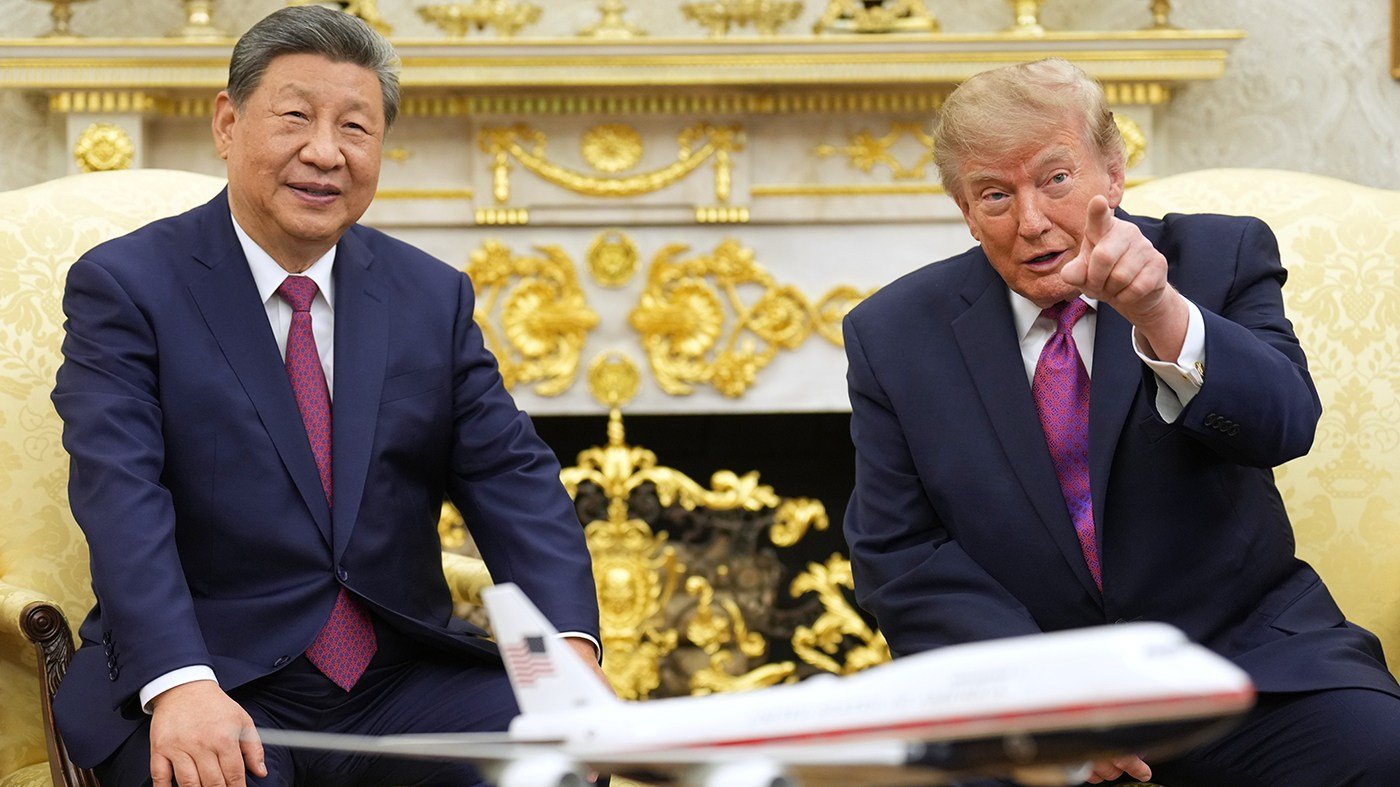
The announcement came during a pivotal meeting between Trump and Xi, where the two leaders also discussed tariff reductions on $60 billion in goods. Xi framed the panda transfer as a gesture of friendship, stating, “The giant panda has been an envoy of friendship between the Chinese and the Americans.” He added, “Here, I have a piece of good news. In a few days, two pandas — Ping Ping and Fu Shuang — will come to their new home in Zoo Atlanta and meet with the American people.”
This is not the first instance of panda diplomacy between the two nations. After President Nixon’s historic 1972 visit to China, the Chinese government sent pandas Ling Ling and Hsing Hsing to the National Zoo in Washington, D.C. Since then, cooperation between Chinese authorities and American zoos has led to the birth of 17 cubs over the past three decades in Atlanta, San Diego, and Washington, according to Chinese state media.
The arrival comes amid broader negotiations on trade and international policy, including ongoing trade truce talks. While the panda transfer is largely symbolic, it underscores the delicate balance in U.S.-China relations.
Conservation efforts have yielded positive results: the International Union for Conservation of Nature moved giant pandas from “endangered” to “vulnerable” last year, and the global panda population has increased by 17 percent over the last decade, per the World Wildlife Fund. Zoo Atlanta’s new residents are expected to contribute to these ongoing breeding and conservation programs.
For now, the pandas are settling into their new home, and the zoo plans to introduce them to the public once quarantine ends. The event marks a rare moment of cooperation between Washington and Beijing, even as other fronts—such as potential talks with Iran and domestic policy rollbacks—remain contentious.