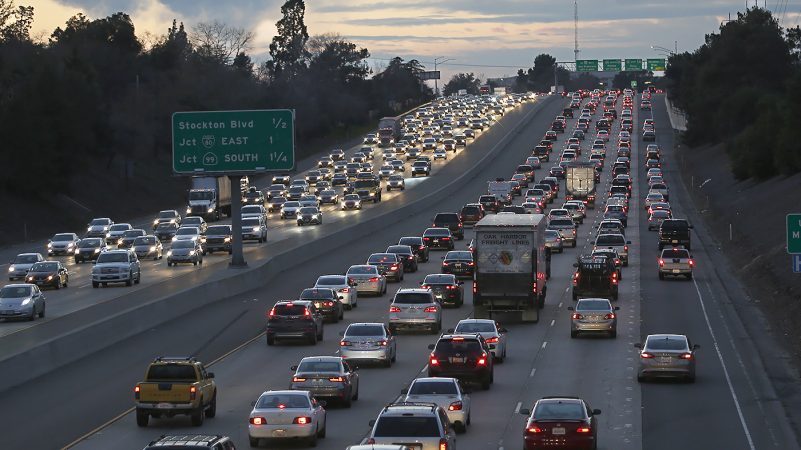
The Trump administration on Monday finalized a dramatic rollback of federal fuel economy rules, cutting the required average fuel efficiency for new vehicle fleets to 34.9 miles per gallon by 2031. That replaces the Biden-era mandate of 50.4 mpg, a target automakers had been preparing to meet over the next several years.
The decision, announced by the National Highway Traffic Safety Administration, is part of a broader deregulatory push by the president, who has long argued that strict efficiency rules inflate vehicle prices and hurt American manufacturing. Administration officials framed the new standard as a cost-saving measure for consumers and a relief for the auto industry, which had warned that the previous targets would force expensive redesigns and limit the availability of affordable models.

But the rollback has drawn sharp criticism from environmental groups and consumer advocates, who note that while the upfront price of a car may drop, drivers could end up paying more at the pump over the life of the vehicle. Lower efficiency also means higher greenhouse gas emissions, undercutting U.S. climate commitments and worsening air quality in urban areas.
The move comes after a provision in the president's signature tax and spending law, the so-called Big Beautiful Bill, effectively neutered the existing penalties for automakers that failed to meet the stricter standards. That provision set the fine for noncompliance at $0, rendering the Biden-era rules toothless even before Monday's formal rollback. Now that those rules have been fully rescinded, automakers are no longer legally obligated to meet them—regardless of the earlier penalty suspension.
Industry analysts say the change could slow the transition to electric vehicles, as automakers may now delay investments in battery technology and efficient powertrains. Several major carmakers had already announced plans to phase out gas-powered models, but the new regulatory landscape could alter those timelines.
Environmental groups are expected to challenge the rule in court, arguing that the administration failed to properly consider the environmental and public health impacts. Legal experts say the rollback could face an uphill battle, as courts have previously struck down similar deregulatory efforts for lacking adequate justification.
The rollback is the latest in a series of energy and environmental reversals by the president, who has also moved to expand fossil fuel production and weaken pollution controls. It also comes as the administration faces scrutiny over its handling of international affairs—including renewed tensions with Iran and signals of further talks. Domestically, the fuel economy decision is likely to become a flashpoint in the upcoming election cycle, with Democrats already hammering the president for prioritizing industry profits over climate action.
For now, automakers are left to recalibrate their production plans, and consumers are left to wonder whether the savings at the dealership will be offset by higher fuel bills. The administration, for its part, says the new standards strike a balance between environmental goals and economic reality.