In the wake of the September 11 attacks, Americans demanded answers from their leaders. How could intelligence failures allow such devastation? The FBI had tracked several hijackers, and Osama bin Laden was a known threat, yet poor coordination and a dismissive attitude created the conditions for tragedy. That lesson—about the cost of ignoring warnings—resonates globally, especially in Israel, a nation long praised for thwarting terror plots. This makes the October 7, 2023, Hamas assault all the more inexplicable.
As we approach the third anniversary, Prime Minister Benjamin Netanyahu has been lecturing critics in the U.S., from New York's mayor to ordinary Americans frustrated with Israel's influence on foreign policy. But his rhetoric seems designed to divert attention from his own catastrophic failures to protect Israeli citizens.

Shortly after the attacks, a video of Charlie Kirk crossed my path. Despite our political differences, I found his observations striking. Like him, I had visited the Holy Land on a pilgrimage. As a Marine veteran, I noticed the heavy military and police presence. In Bethlehem, a Palestinian guide described life under occupation—checkpoints, limited rights, constant surveillance—and insisted Gaza was even worse. He called it the most surveilled place on Earth, a sentiment Kirk echoed.
CNN later aired Hamas training footage from October 2023, showing terrorists practicing openly in Gaza, not in tunnels or foreign camps. They conducted exercises less than half a mile from the border crossing they would overrun, in broad daylight. It's inconceivable Israeli intelligence didn't know an attack was imminent.
Indeed, reports emerged that Netanyahu received explicit warnings. The BBC reported five days after the attack that Egypt had cautioned Israel, and we now know that warning came more than a week prior. Haaretz revealed the United Arab Emirates also alerted Netanyahu in September 2023. These were not vague threats—they were specific, actionable intelligence.
I cannot read Netanyahu's mind, but I know he was distracted by corruption charges and mass protests against his judicial overhaul. He also relied on hard-line coalition partners with extreme views on Palestinians. Perhaps he believed Hamas was deterred, or he prioritized political survival over security. Either way, his inaction is indefensible.
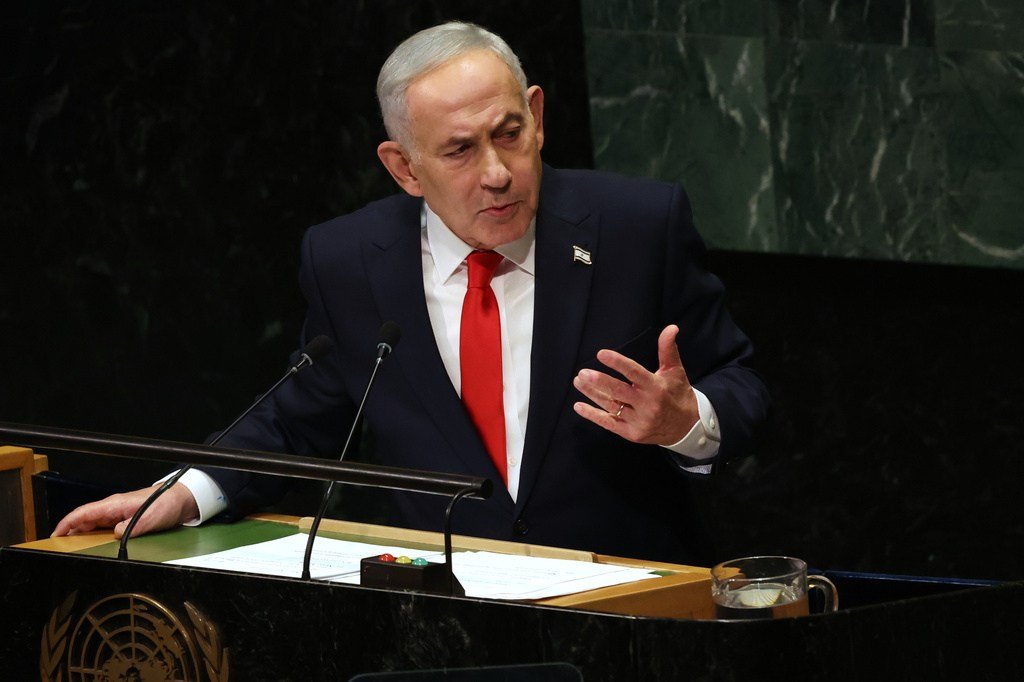
Yet Netanyahu has faced no real accountability. While securing hostage releases was critical, that cannot excuse the absence of consequences. American support for Israel—both financial and military—has become increasingly unpopular across party lines. Many believe Netanyahu's push for war with Iran, including his recent UN address amid ongoing conflict, serves his political interests rather than Israel's security.
The time for accountability is now. His failure to act on warnings, both internal and external, left Israel vulnerable. While October 7 might not have been entirely preventable, its scale could have been mitigated. As Netanyahu faces a general election, voters have an opportunity to finally hold him responsible for the deadliest day in Israel's history.
Joslin Joseph, a Marine veteran who served in Iraq and a recipient of the Military Reporters and Editors award for commentary, lives in Anaheim, California.