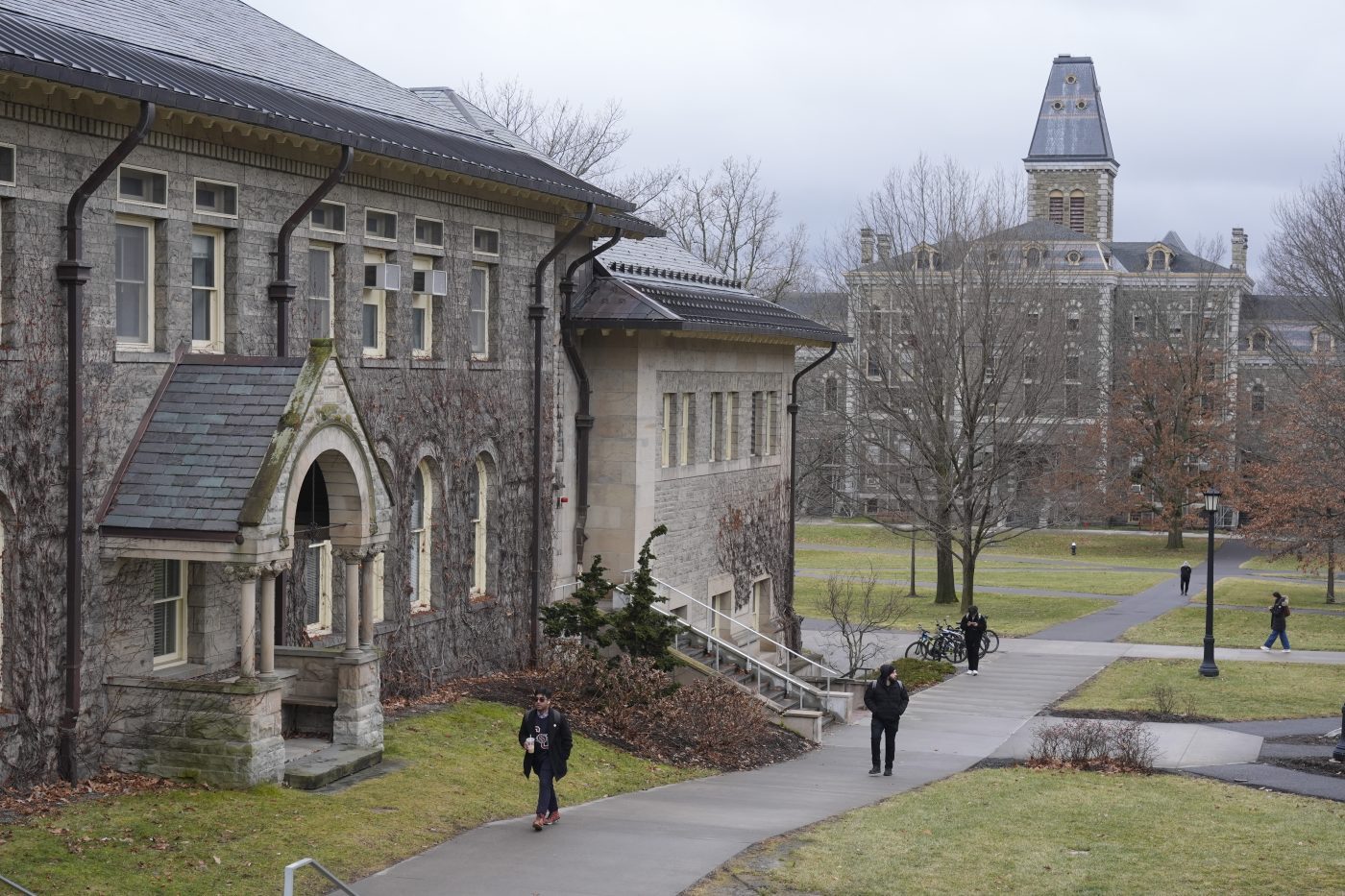
Prosecutors in upstate New York are taking a fresh look at a 2024 sexual assault allegation against seven members of Cornell University's Chi Phi fraternity, after a civil lawsuit surfaced evidence that authorities had not previously seen.
Tompkins County District Attorney Matthew Van Houten said his office will present the case to a grand jury, citing what he called "dramatically different" allegations in the lawsuit compared with the victim's initial police statement. The anonymous student, identified as Jane Doe, filed the lawsuit earlier this month, claiming she was drugged with ketamine and sexually assaulted for hours at the fraternity house.

According to the lawsuit, Doe went to the fraternity while intoxicated to visit a friend, and two members pressured her into taking the drug before the assault. She reported the incident to Cornell police about three weeks later.
Van Houten told ABC News that the original police statement did not mention being drugged or that she did not consent to sexual activity. He also acknowledged that his office did not independently investigate the allegations at the time. The lawsuit includes a group chat in which fraternity members allegedly discussed the assault, which Van Houten said was never provided to his office in 2024.
Doe's attorney called the messages a "critical piece of evidence" that authorities had at the time. The defense, however, disputes the claims. Scott Kretzschmar, an attorney for one of the defendants, denied the allegations outright, calling them "selfishly false."
Cornell has supported the reopening of the case. In a statement Monday, the university said it "supports the decision of the Tompkins County District Attorney to provide an opportunity for the victim's story, in the 2024 Chi Phi fraternity Sexual Assault case, to be heard by a criminal grand jury." Cornell's own investigation in 2024 led to the expulsion of two of the seven men and lesser discipline for the others, including workshops and essays. The Chi Phi chapter remains barred from campus.
The case has drawn public attention, including from actress Florence Pugh, who said the allegations left her "uneasy and sick and anxious" and urged men to speak out against sexual violence.
The grand jury will now determine whether there is enough evidence to issue criminal charges. Legal experts note that the new evidence could significantly alter the trajectory of the case, which was previously closed without prosecution.
This development comes amid broader scrutiny of how universities and local prosecutors handle sexual assault cases involving fraternities. Recent studies on student behavior have highlighted the complexities of campus life and safety.
The district attorney's decision to revisit the case underscores the importance of thorough investigation, especially when new evidence emerges. Legal challenges in other areas have also prompted officials to reconsider prior decisions.
As the grand jury convenes, the outcome remains uncertain, but the reopening marks a significant step for the accuser, who has waited two years for criminal justice.