The Trump administration on Monday moved to formally dismantle federal fuel economy standards, arguing that the previous administration's rules exceeded what Congress intended. The rollback, announced in the morning, is part of a broader push to ease regulatory burdens on automakers and accelerate domestic manufacturing.
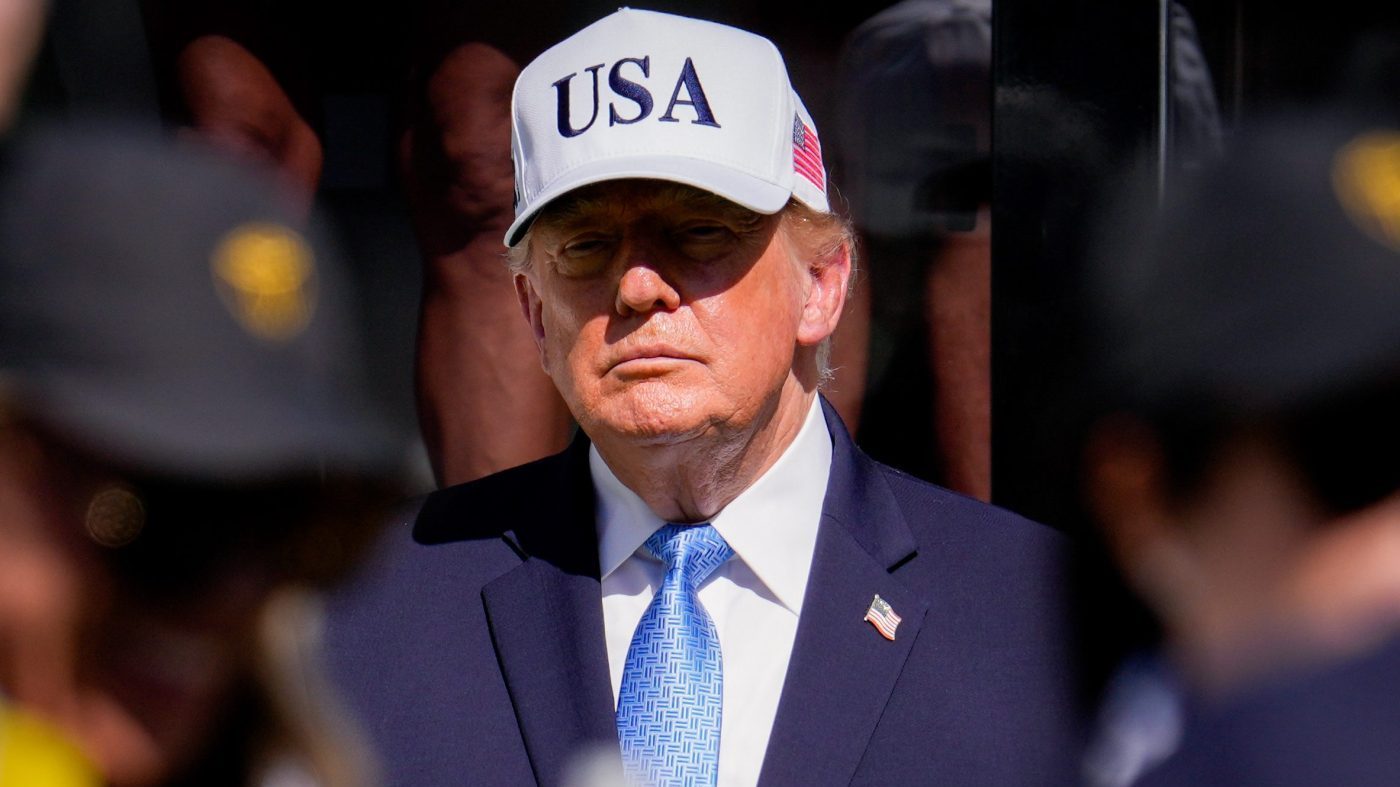
President Trump took to social media over the weekend to frame the change as a win for American industry, writing that the new standards “will take the waste out of building cars in America.” The administration's action reverses stricter mileage requirements put in place under the Biden administration, which were designed to speed the transition to electric vehicles and cut greenhouse gas emissions.
The move is expected to face legal challenges from environmental groups and Democratic-led states, but it aligns with the president's campaign promises to boost fossil fuel use and reduce regulatory red tape. It also comes as the administration has been slashing federal fuel economy targets across multiple rulemakings.
Senate Returns for Pre-Midterm Push
Meanwhile, the Senate reconvened for what is expected to be a busy final week before the midterm elections. Lawmakers are prioritizing two pieces of legislation: the Protect College Sports Act, which would establish federal oversight of college athletics and name, image, and likeness (NIL) rights, and the Ratepayer Protection bill, aimed at curbing energy price spikes. A final vote on the college sports measure is expected later Monday.
The Protect College Sports Act has drawn bipartisan support, though some senators have raised concerns about federal overreach into collegiate athletics. The bill would create a national standard for NIL deals, addressing a patchwork of state laws that have complicated recruiting and athlete compensation.
The Ratepayer Protection bill, meanwhile, seeks to address rising electricity costs, a key issue for voters heading into the midterms. Senate leadership hopes to pass both measures before lawmakers leave Washington for the campaign trail.
Supreme Court Opens New Term
The Supreme Court also kicked off its new term on Monday, holding its first private conference—known among court watchers as the “long conference.” The justices will review a lengthy list of petitions and decide which cases to take up in the coming months. Notable issues potentially on the docket include executive power, environmental regulation, and technology-related disputes.
This term comes as the court's conservative majority continues to shape major rulings, and its decisions on pending cases could have significant political implications ahead of the midterms.
President's Schedule and Iran Tensions
President Trump is scheduled to make a policy announcement at 2 p.m. EDT, followed by meetings with advisers and an interview later in the day. The announcement is expected to touch on economic or regulatory issues, though the White House has not provided details.
The rollback comes amid heightened international tensions, particularly with Iran. The administration has recently rejected a ceasefire offer from Tehran and signaled that further talks or military action could follow. That stance has drawn criticism from some Democrats, who warn of escalating conflict in the region.
On Capitol Hill, some Republicans are already looking ahead to potential impeachment proceedings if Democrats regain control of the House. Representative Jim Jordan has warned that a third Trump impeachment would be likely in that scenario, a comment that underscores the partisan stakes of the upcoming elections.
As the week unfolds, the administration's regulatory rollback, the Senate's legislative sprint, and the Supreme Court's docket will all compete for attention in a politically charged atmosphere.