The U.S. Forest Service's announcement on Aug. 23 that it is weighing the repeal of the 2001 Roadless Area Conservation Rule has set off a fresh political battle over the management of federal lands. The rule, which restricts road construction and logging in inventoried roadless areas, has long been a flashpoint between conservationists and those advocating for greater local control and active forest management.
Agriculture Secretary Brooke Rollins defended the move, arguing that rescinding the rule would “restore authority to local forest managers who know the land best.” That framing, however, has drawn immediate fire from environmental groups and Democratic lawmakers, who contend the real aim is to open up more public acreage to timber interests, potentially increasing wildfire risk and harming wildlife habitat.

Proponents of the repeal, however, point to data suggesting that the greatest wildfire threats come not from human-caused ignitions but from the accumulation of fuel in inaccessible areas. While 85 to 90 percent of wildfires are sparked by human activity—vehicles, campfires, discarded cigarettes—these tend to be smaller and more easily contained. The blazes that explode into massive, fast-moving conflagrations are often those that start in remote, roadless terrain where response times are slow and crews have difficulty reaching the scene.
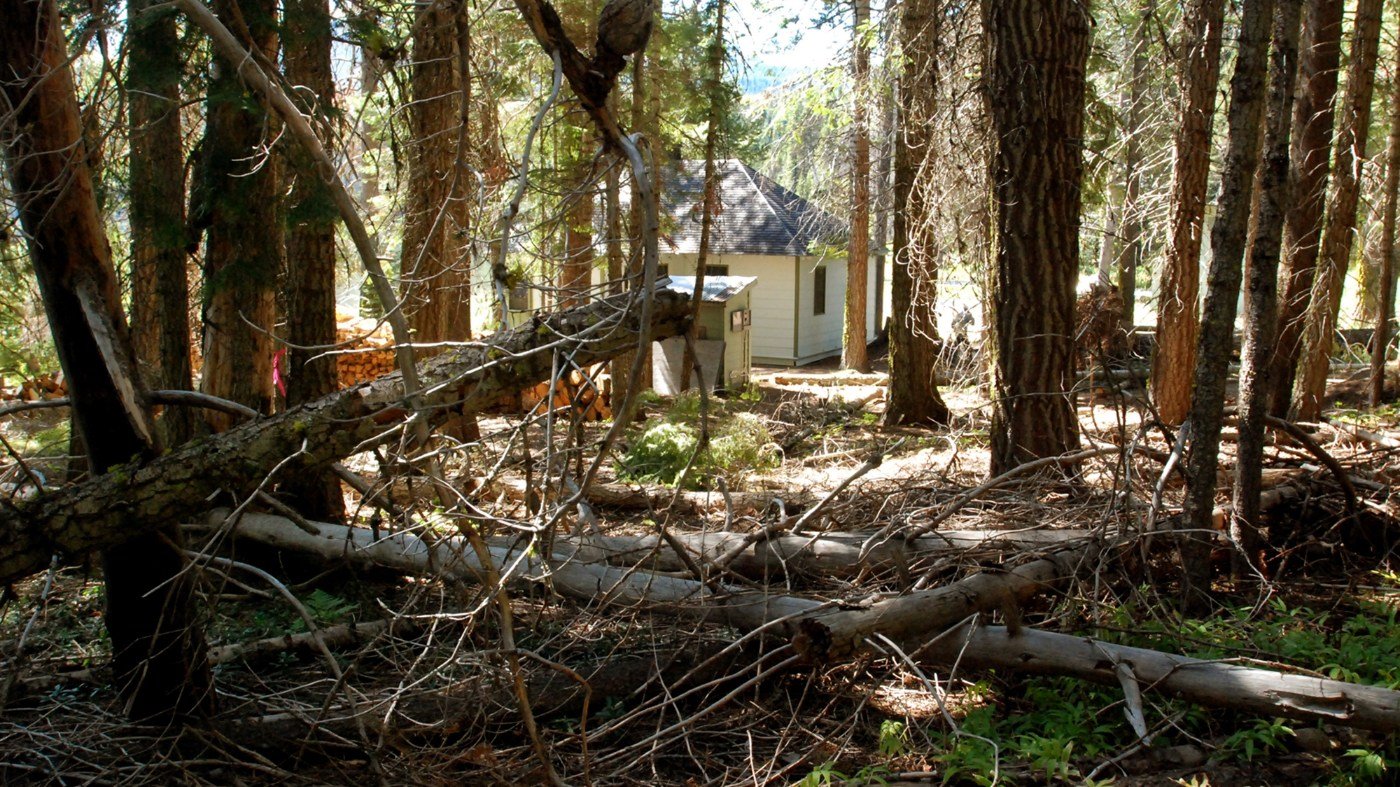
Without roads, firefighting crews face delays in initial attack, forcing greater reliance on aerial water and retardant drops. Small smoldering spots can quickly escalate into major fires. Moreover, roadless and wilderness areas typically see far less active management—logging, brush clearing, and controlled burns—that would otherwise reduce the fuel load. As a result, these areas become tinderboxes, ready to ignite under the right conditions.
The debate also raises a fundamental question: how much wilderness is enough? The 1964 Wilderness Act, which set aside 9.1 million acres, was designed to preserve pristine landscapes “where the earth and its community of life are untrammeled by man.” Since then, Congress has added over 100 million acres, so that designated wilderness now covers 18 percent of federal lands and 5 percent of the entire country.
But the roadless rule extends beyond these designated wilderness areas. It covers an additional 58.2 million acres of inventoried roadless land—roughly 30 percent of National Forest System lands. These are not the iconic, protected wilderness areas like Yellowstone or the Aldo Leopold Wilderness in New Mexico; they are often less famous stretches of forest that nonetheless hold ecological and recreational value.
Recreation data from 2000 to 2002 shows that while federal lands draw 600 to 700 million visits annually, only about 8.8 million of those are to designated wilderness areas. That suggests most visitors are not seeking a true backcountry experience—they want to drive in, enjoy the scenery, and perhaps find an old mining cabin, then return to modern comforts. Scrapping the roadless rule, supporters argue, would better align land management with how people actually use these areas.
Terry L. Anderson, a senior fellow at Stanford's Hoover Institution, frames the issue as a choice between preservation and stewardship. “Rescinding the roadless rule is not a threat to federal wilderness; it is a statement that we have enough already and that we need to manage it rather than let it burn,” he wrote.
The fight over the roadless rule is part of a broader debate over federal lands policy, which has also touched on issues like access to essential services and the balance between development and conservation. As the Forest Service moves forward, the outcome will have significant implications for wildfire management, timber jobs, and the future of public lands.