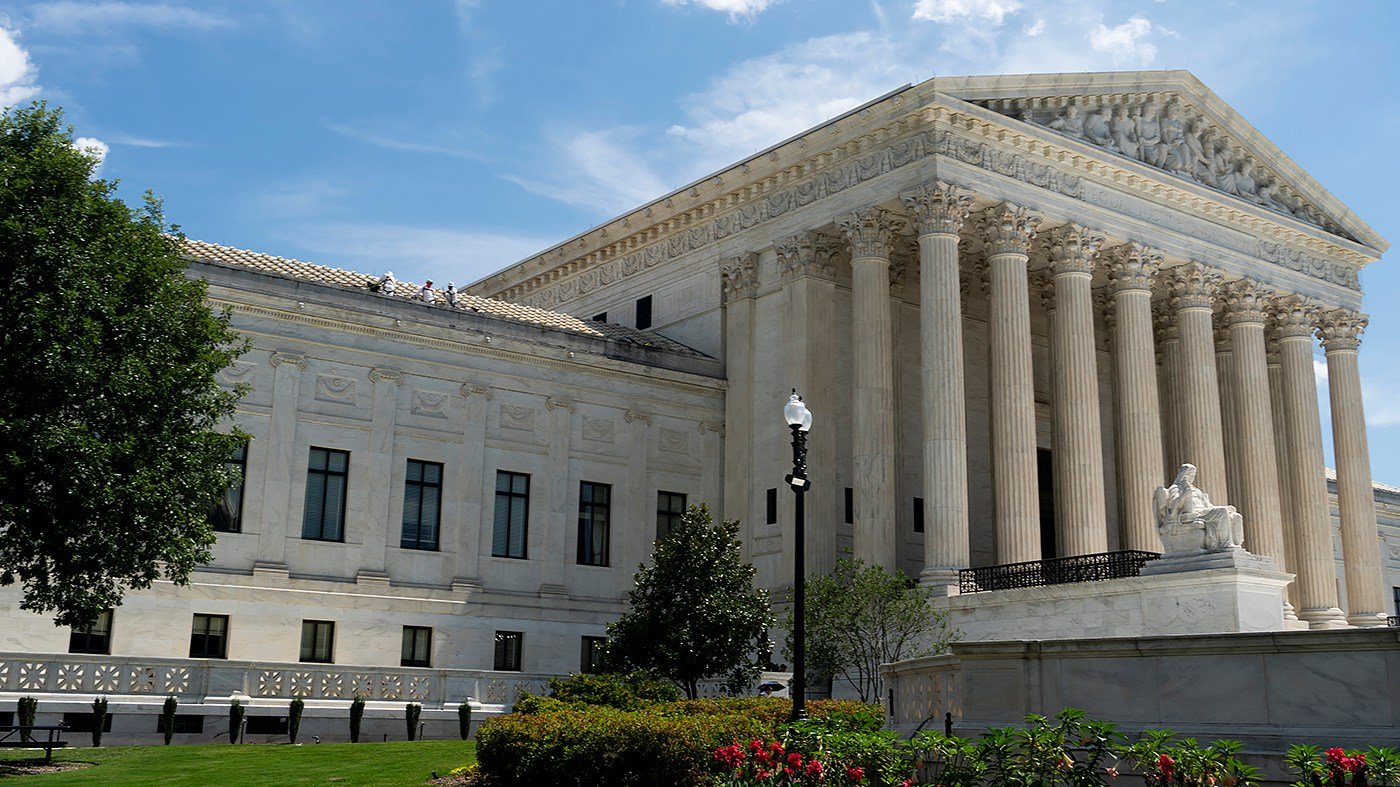
The Supreme Court kicks off its new term this month with a docket that rivals any in recent memory. While the court continues to add cases, the ones already scheduled promise to reshape legal landscapes on climate change, firearms, religious liberty, parental authority, and even the size of juries. As Justice Ruth Bader Ginsburg once said, "It's hard not to have a big year at the Supreme Court." This term is already living up to that expectation.
Climate Change Liability Faces High Court Test
In Suncor Energy Inc. v. County Commissioners of Boulder County, the justices will decide whether state courts can hear climate change lawsuits against energy companies. Boulder and surrounding counties accuse Suncor and other fossil fuel producers of contributing to climate change while misleading the public. The Colorado Supreme Court allowed the case to proceed, rejecting arguments that federal law preempts such claims. If the high court agrees, it could open the floodgates to thousands of similar suits nationwide.
Gun Rights: A Pivotal Second Amendment Term
The court is poised to deliver landmark rulings on gun control. Cases from Chicago and New York challenge bans on AR-15 rifles and 9mm handguns, the most popular firearms in America. In Viramontes v. Cook County and Grant v. Higgins, lower courts upheld strict prohibitions, but the Supreme Court may use these cases to clarify the scope of the Second Amendment and prevent states from circumventing prior rulings. Additionally, the court is considering Calce v. New York, which involves a stun gun ban—a case that could reinforce that modern weapons are protected even if they didn't exist at the founding.
Religious Schools and Parental Rights
In St. Mary Catholic Parish v. Roy, the court will revisit whether states can exclude religious schools from voucher programs. At issue is a Colorado rule requiring preschools to accept children regardless of sexual orientation or gender identity, which Catholic schools argue violates their religious beliefs. The Tenth Circuit upheld the mandate, but the justices may strike it down as discriminatory.
Another case, International Partners for Ethical Care, Inc. v. Ferguson, concerns Washington state's law that delays notifying parents when a runaway child seeks gender-affirming care. The Ninth Circuit dismissed the parents' lawsuit for lack of standing, but the Supreme Court could decide whether parents have a constitutional right to be informed.
Jury Size and Other Cases
In Kian v. Florida, the court will consider whether the Sixth Amendment guarantees a 12-member jury in state criminal trials. Florida allows six-person juries for certain offenses, and the defendant argues that violates his constitutional rights.
Beyond these, free speech advocates are watching two potential cases. D.A. v. Tri-County Area Schools involves students suspended for wearing "Let's Go Brandon" sweatshirts. And Tiny Zaps v. Traxler challenges South Carolina's ban on facial tattoos and tattoo parlors near churches. Both could produce significant First Amendment rulings.
As the term unfolds, the court's decisions will have far-reaching implications. For those who follow the judiciary closely, this is shaping up to be a term that could redefine legal boundaries for years to come.