The Environmental Protection Agency's final rule scrapping the Biden administration's 2024 Carbon Pollution Standards is projected to save American households and businesses $310 billion by restoring reliable, low-cost baseload power. The move reverses regulations that the agency now says exceeded its legal authority under the Clean Air Act, requiring emissions-control technologies that have not been “adequately demonstrated” and forcing power plants into premature retirement.
The 2024 rule, according to the EPA, also ignored the Supreme Court's decision in West Virginia v. EPA, which barred the agency from using the act to steer the nation's energy mix or inflate electricity prices. “The Obama and Biden administrations implemented a war on coal to destroy reliable and affordable energy,” said EPA Administrator Lee Zeldin in a statement. “The Trump administration has come in to protect American energy and to make sure you can afford to keep the lights on.” He added that lower energy prices are “just the beginning,” promising more jobs and a more prosperous America.

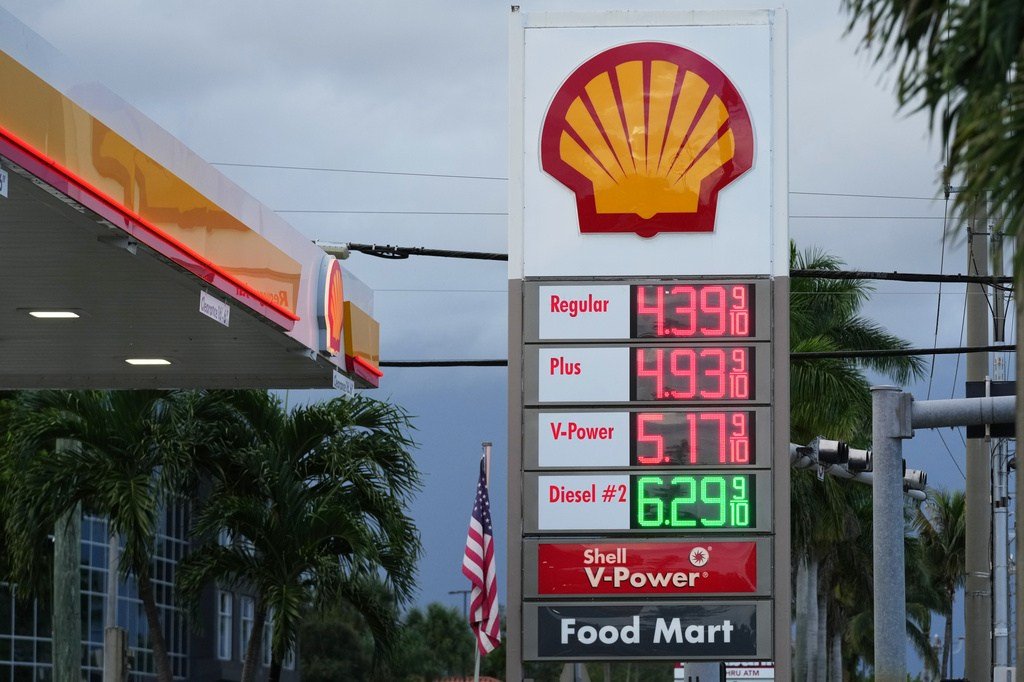
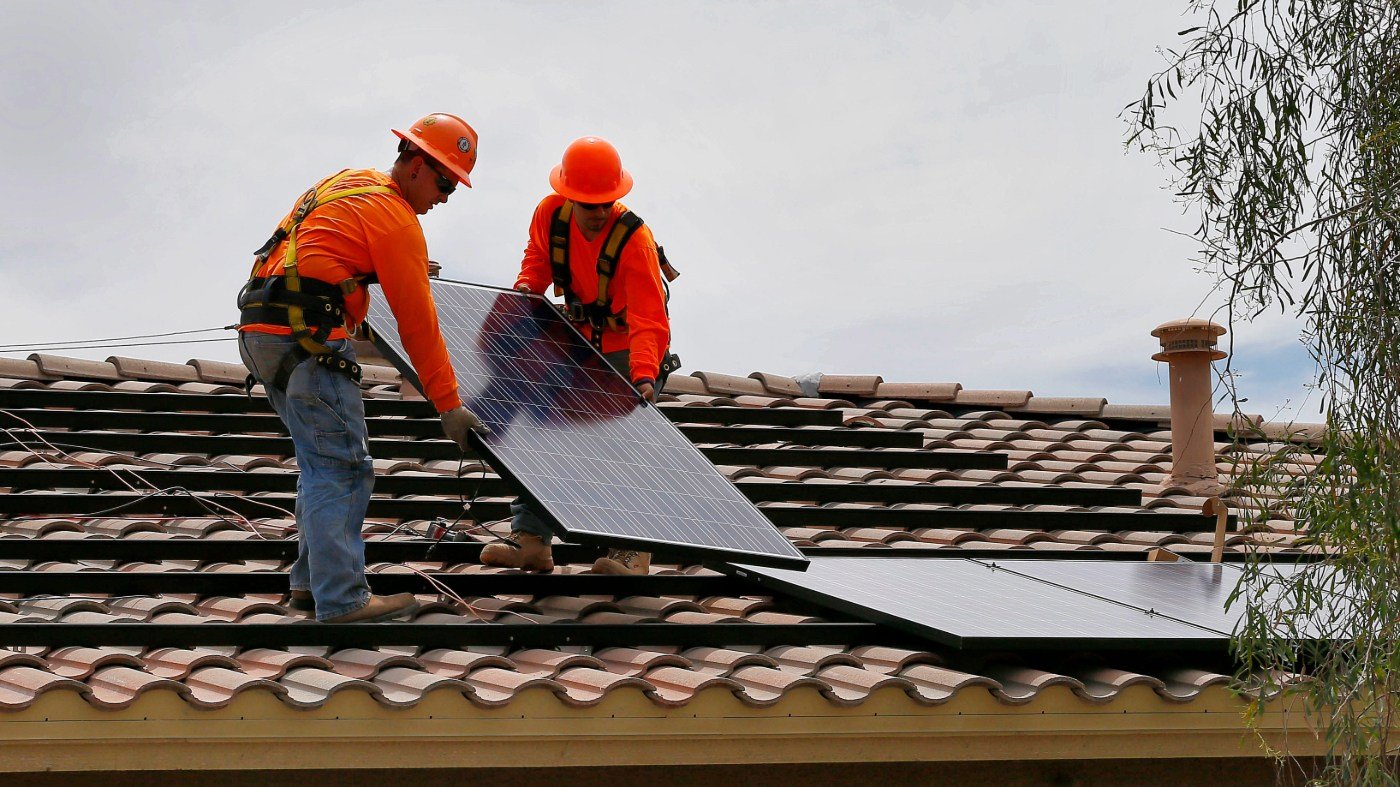
While Democrats spent the summer touting “affordability,” their policy choices have driven up costs across the board. Republicans now see a political opening: as the administration rolls back costly federal energy mandates, they can spotlight the hypocrisy of deep-blue jurisdictions like Washington, D.C., which impose green mandates on residents while exempting their own government. The District's law explicitly states that its renewable standard “shall not apply to electricity sold to the District of Columbia government, not including independent agencies, authorities, or instrumentalities.”
That exemption has become a rallying point. Under the Home Rule Act, Congress retains constitutional authority to review and overturn D.C. Council legislation, and the Constitution grants Congress “exclusive Legislation” over the District. This gives President Trump and congressional Republicans a straightforward path to repeal these mandates before the midterms, turning a local issue into a national talking point.
The cost of D.C.'s green mandates is stark. Electricity rates in the District have climbed 66 percent, compared with 50 percent in Maryland and 20 percent in Virginia. Compliance costs have quadrupled from $65 million in 2020 to $272.6 million in 2025, adding an average of $775 per customer annually. “Why should every American pay a price that D.C.'s own government refuses to pay?” ask critics.
Energy prices, analysts argue, are more a function of public policy than market forces. Data from the Institute for Energy Research's 2025 Always on Energy report shows that national electricity prices spiked 27 percent under the Biden administration, with the burden concentrated in blue states. Aggressive green targets in places like New Jersey, Maryland, Virginia, Illinois, Delaware, and Michigan have led to soaring bills, according to a recent study by the nation's largest grid operator. In contrast, states like North Carolina, Pennsylvania, Ohio, Kentucky, Tennessee, Indiana, and West Virginia, which have avoided such mandates, see no predicted price hikes.
Over the past decade, these mandates have cost residents of mostly blue states $17.8 billion in compliance, a figure expected to rise. The average New Jerseyan pays 19.8 cents per kilowatt-hour, nearly double the rate in West Virginia. Such numbers flatly contradict the Democrats' affordability message, and Republicans are urged to hammer on the disconnect.
As the midterms approach, the administration's rollback of federal mandates offers a concrete win for voters feeling the pinch. But the fight is far from over—local mandates remain in effect, and the political battle over energy policy is likely to intensify. For now, the EPA's action signals a shift toward cheaper power, but the real test will be whether Congress acts to dismantle the costly rules that continue to hit consumers' wallets.