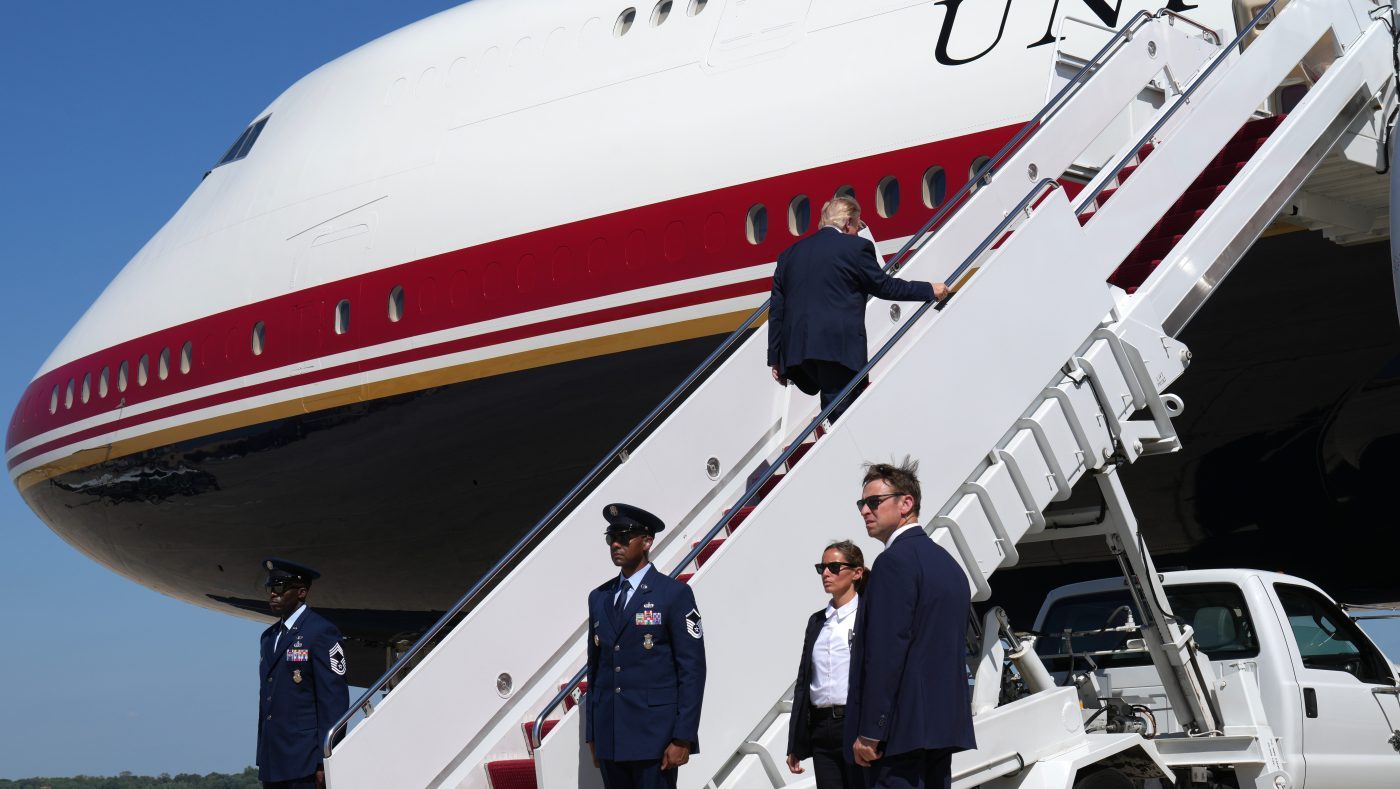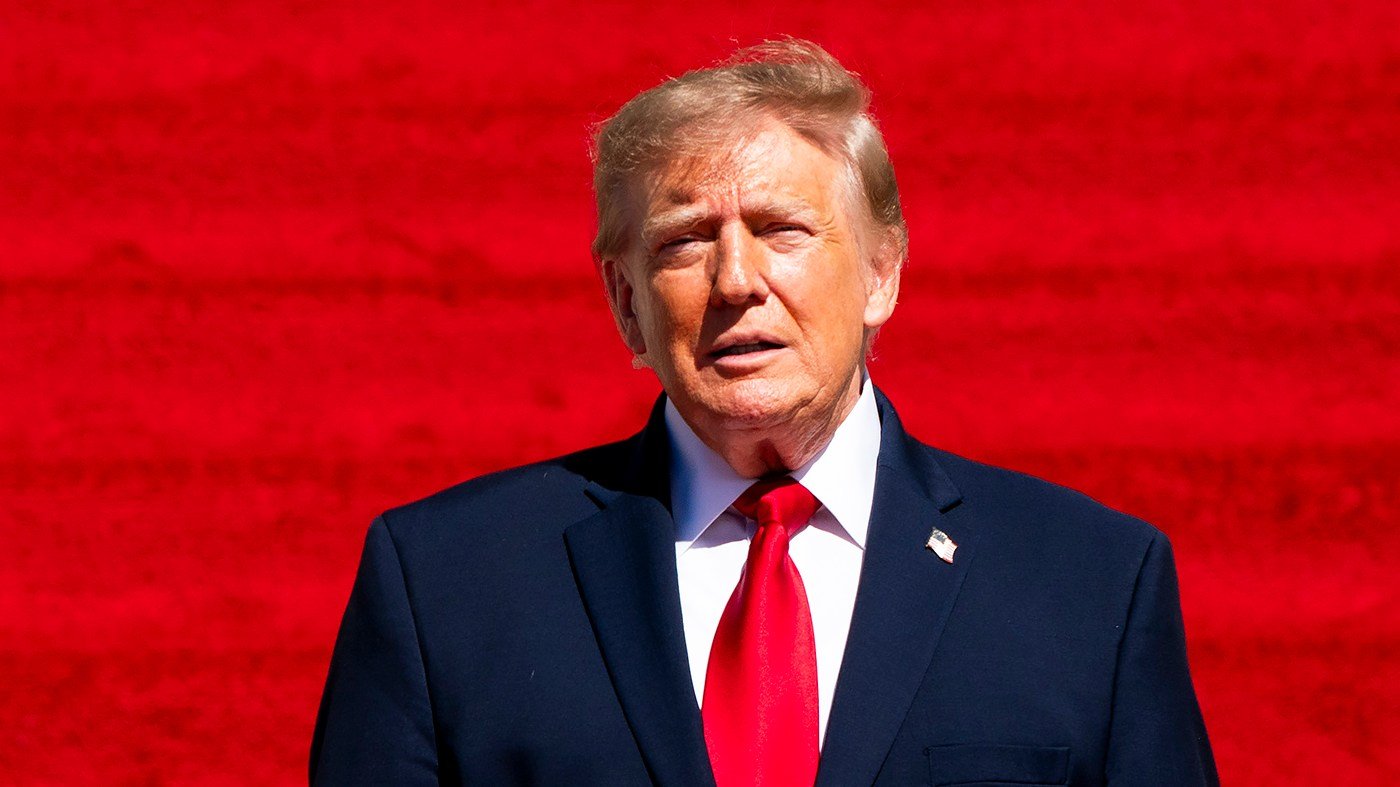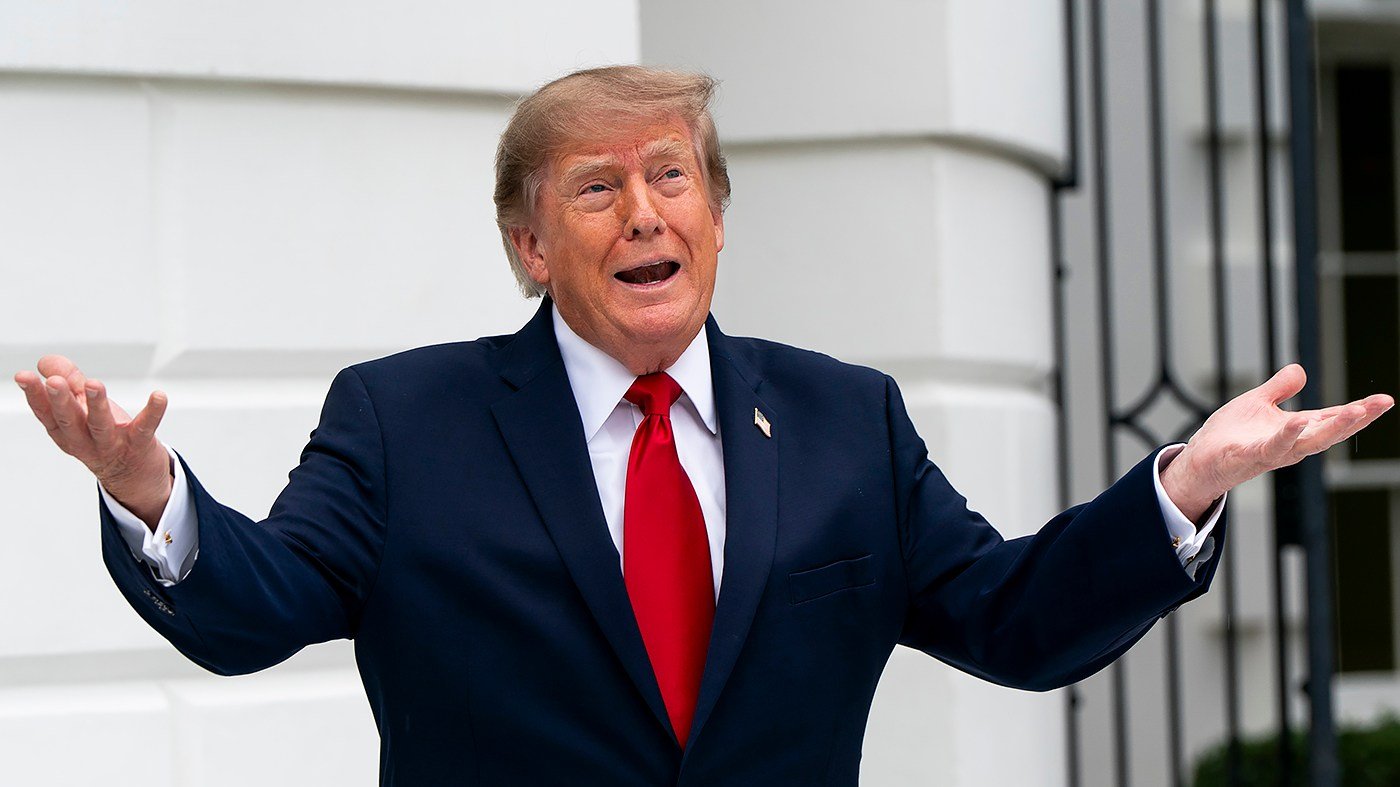
President Trump's approval ratings have fallen to unprecedented lows in several recent surveys, fueled by eroding support among Republicans and growing pessimism about the economy. The trend poses a fresh warning for the GOP as the midterm elections approach.
The latest Reuters/Ipsos poll puts Trump's overall approval at 32 percent, a three-point drop from the previous week and the lowest of his presidency. Among Republicans, approval of his job performance fell from 82 percent to 73 percent in just one week, down from 86 percent in January and 91 percent shortly after his second inauguration.
“For really his entire political career, the president has enjoyed very strong support among the Republican Party and among his base, and that's still true today, but it's a bit less true,” said Alec Tyson, senior vice president and lead pollster at Ipsos Public Affairs.
According to Tyson, Trump's numbers have been declining since the onset of the Iran war, but the latest polling reveals a sharper dip in recent weeks. This coincides with a “striking” drop in how Republicans view the president's handling of economic issues. Since January, GOP approval of Trump's economic management has plummeted 24 points to 56 percent, while approval of his handling of the cost of living has fallen 26 points to 44 percent.
“Those are striking numbers,” Tyson said. “Numbers that we hadn't seen until recent weeks here in our Ipsos polling.”
A Quinnipiac poll similarly found Trump at his lowest approval on the economy to date, with only 32 percent approving his handling of the issue. Overall, 33 percent approved of his job performance, near the record low of 32 percent set in July.
The polls also suggest a challenging national environment for Republicans ahead of November, though the outcome in Congress will hinge on individual races. In the Quinnipiac survey, voters favored Democrats by 11 points on the generic House ballot, 49 percent to 38 percent—a four-point shift from July, when Democrats led by seven.
Republican strategists are split on how candidates should respond, but some warn that dissatisfaction with Trump's economic stewardship could dampen turnout. “There's a major risk that a lot of Republicans will be staying home in November, while Democrats turn out in droves,” said Republican strategist Bill F. B. O'Reilly. “The dissatisfaction with the Iran war strategy and rising gas prices are sapping enthusiasm on the right at the worst possible time. We have one month to turn that around.”
The latest NPR/PBS News/Marist Poll indicates that Trump is weighing on voters' congressional choices, with only 30 percent saying the president is not much of a factor. Anti-Trump sentiment appears more motivating: 45 percent say their vote is mostly against Trump, while 24 percent say it's mostly for him.
Democrats held advantages on key issues in the Marist poll, leading on the economy by eight points (42-34) and on gas prices by 13 points (40-27). The parties were closer on immigration, though Democrats have gained ground since 2024. Tyson noted that Democrats also led by six points on the economy in the Reuters/Ipsos poll, calling it “unusual” for an issue typically dominated by Republicans.
“Absolutely, that has implications for the midterms when folks are comparing the two parties or the candidates for the two parties, if the Democratic Party has opened up an advantage on the economy, in part due to the drag of the president's performance for his own party on the issue,” Tyson said.
Republican analyst Ford O'Connell argued that GOP candidates must go on offense over the economy, framing conditions as improved under Trump and promising further gains if Republicans keep control of Congress. He dismissed Democratic messaging on gas prices, saying they have “spent the last 15 years trying to kill oil and natural gas production, so the notion that they care about gas prices is nonsense.”
“Republicans have not made the case that when Trump came into office, the Biden economy was far worse than anyone imagined, and it was not going to be fixed overnight. That's the problem: is they're playing defense versus offense,” O'Connell said.
O'Connell cautioned against reading too much into national polls, noting inconsistencies and the impact of mid-decade redistricting. “Republicans are definitely facing strong headwinds, but that does not mean that the game is over. And if they stop pushing right now, they will certainly lose both the House and the Senate,” he said. “And they should hold onto the Senate and could conceivably have a very narrow loss in the House, or, if something totally breaks their way, could actually hold the House by basically the status quo that they have now.”
Alan Abramowitz, a political scientist at Emory University, said the generic congressional ballot numbers reflect a broader shift. For more on the White House's midterm strategy, see the administration's defense of its recent ads. Meanwhile, as the president's approval slides, his recent personnel moves have drawn scrutiny, and his use of executive power has become a campaign issue.