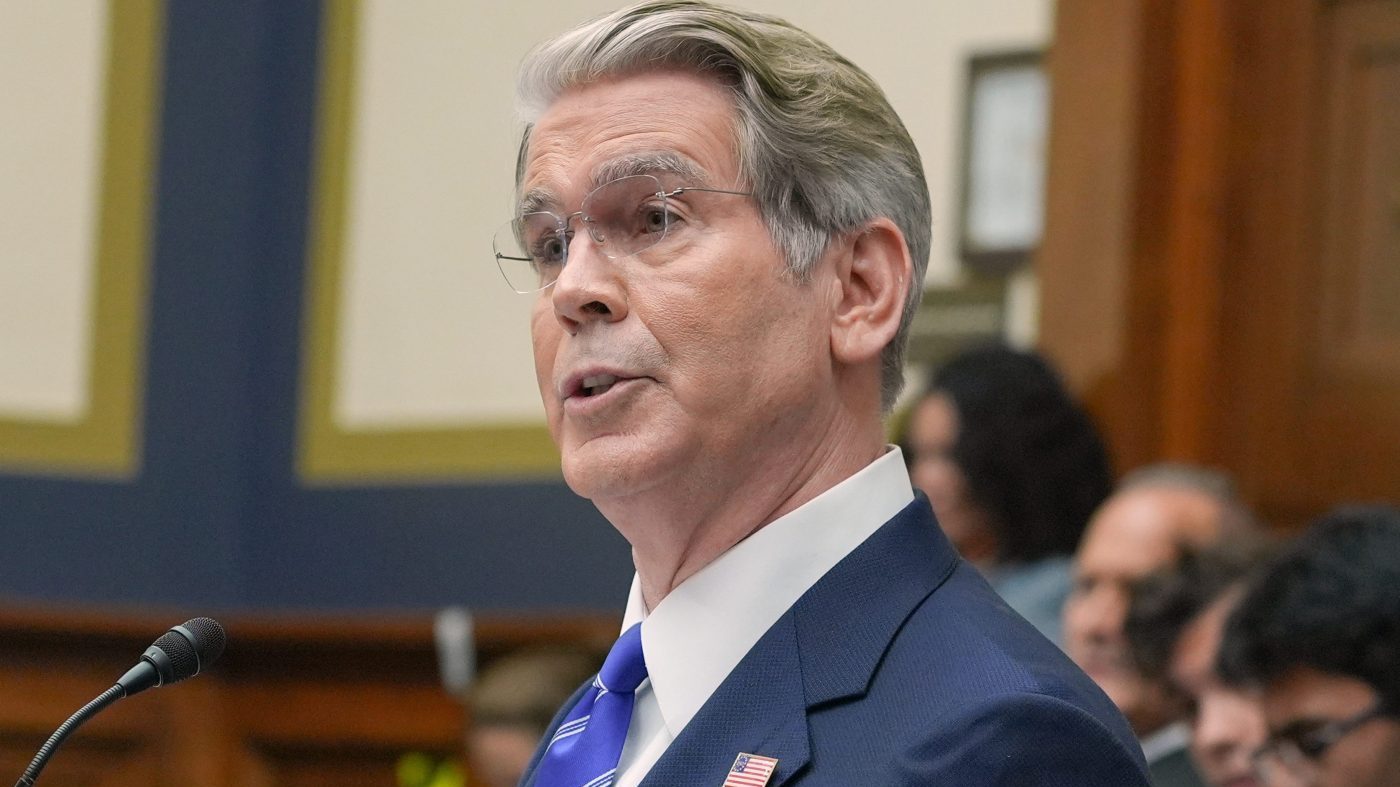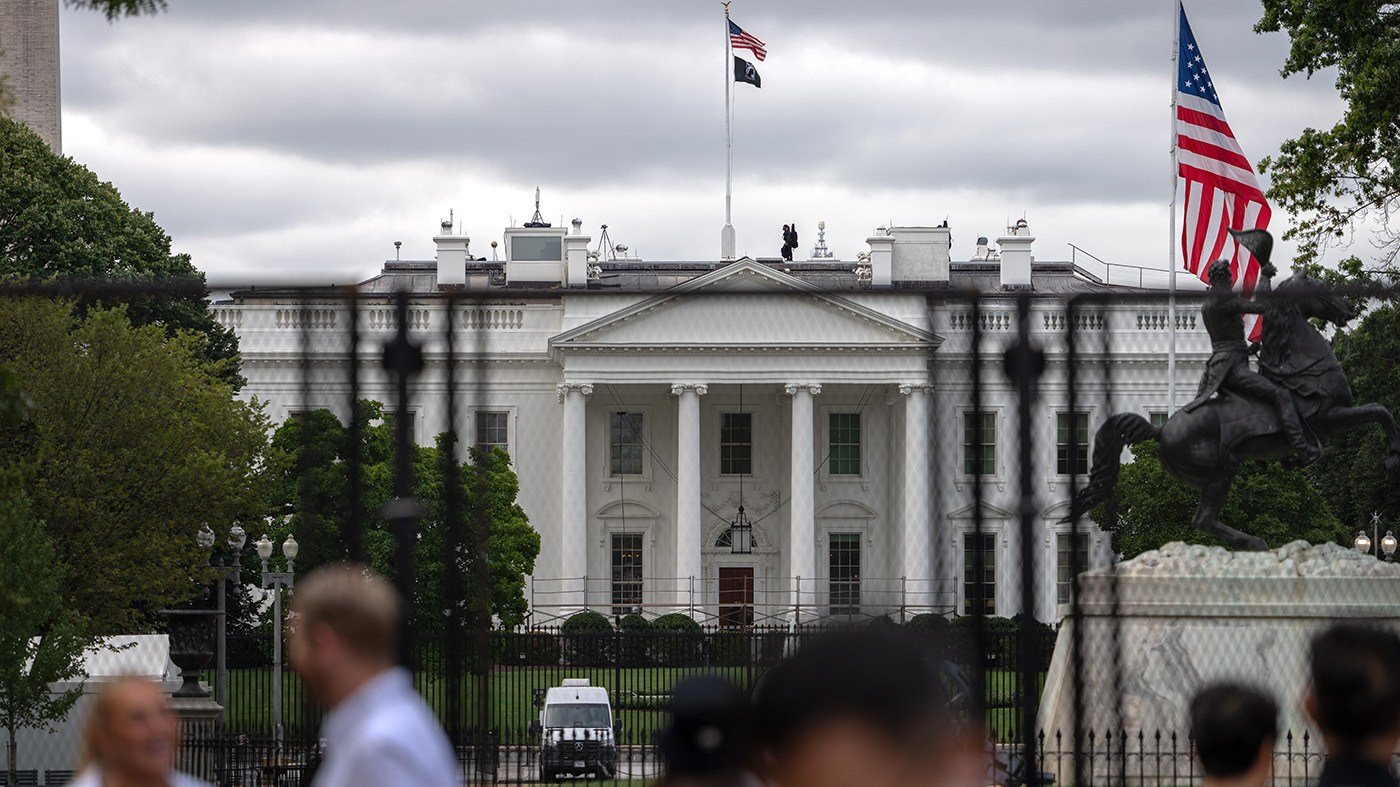
Kush Desai, who has served as a senior deputy press secretary at the White House, is leaving the West Wing to take on a senior communications position at the Office of the Director of National Intelligence (ODNI), according to his own statement to NewsNation.
Desai will assume the role of assistant director of national intelligence for strategic communications, a key post responsible for shaping the intelligence community's public messaging. He is scheduled to depart next month and is already assisting in the search for his successor at the White House, as reported by Axios.
Discussions about the move had been ongoing since Jay Clayton was confirmed as the Director of National Intelligence in early August. Clayton took over the agency following the resignation of Tulsi Gabbard, whose tenure was marked by controversy and internal friction.
During his time at the White House, Desai has been a prominent voice on economic and domestic policy, regularly fielding questions on tariffs, inflation, prescription drug pricing, and the Federal Reserve's actions. His portfolio made him a familiar face in the briefing room, where he often served as a surrogate for the administration's positions on these issues.
Desai joined the White House at the start of President Trump's second term, coming from roles at the Republican National Committee (RNC) and the Trump 2024 campaign. He previously served as the RNC's deputy battleground states communications director and as Pennsylvania communications director, as well as communications director for Iowa's Republican Party.
His rise within the administration was swift, culminating in his appointment as senior deputy press secretary and special assistant to the president. Former White House press secretary Karoline Leavitt praised Desai, calling him "one of the smartest and hardest working people I've met in Washington," according to Axios.
The transition comes less than two months into Clayton's leadership at ODNI, an agency that coordinates the nation's 18 intelligence agencies. Desai's new role places him at the center of strategic communications for an organization that has faced scrutiny over its messaging and operational focus.
Observers note that Desai's move reflects a broader trend of political operatives taking senior roles in intelligence communications, a development that has drawn both support and criticism from national security veterans. His experience in political messaging could prove valuable as the ODNI seeks to communicate its priorities to Congress and the public.
While Desai's departure is a loss for the White House press operation, his new position signals the administration's intent to align intelligence community messaging with its broader policy goals. The search for his replacement is underway, with no announcement yet on who will fill his shoes.