As retail diesel prices hit a record $6.30 a gallon, a growing faction of Republican lawmakers is floating a ban on diesel exports—a move that critics argue would ultimately tighten domestic supply and push prices higher by discouraging refinery investment.
Senate Majority Leader John Thune (R-S.D.) has said he is “open to considering” such restrictions, joining a chorus of voices calling for action. Sen. John Hoeven (R-N.D.), who has previously championed the benefits of lifting export bans, now suggests a short-term ban could “send a signal to the market.” Rep. Tim Burchett (R-Tenn.) goes further, blaming “price gouging by greedy oil companies” and urging Congress to “keep American diesel in America.”
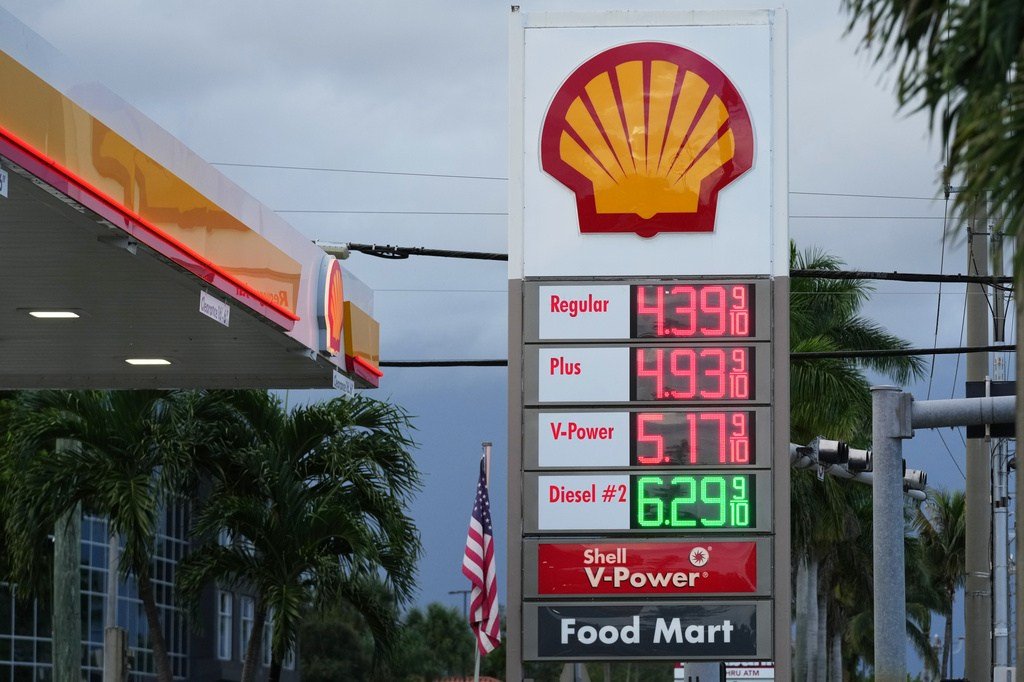
The political appeal is clear: voters are feeling the pinch at the pump. But the economics are shaky. An export ban might provide temporary relief, but it would likely trigger long-term pain by reducing refinery output and investment—exactly the opposite of what’s needed.
America doesn’t have surplus diesel sitting idle, waiting for government direction. Diesel is priced globally, and a gallon refined on the Gulf Coast competes with output from Ruwais, Jamnagar, and Yeosu. The price paid by an Ohio trucker or a South Dakota farmer reflects worldwide supply and demand, not proximity to a refinery.
Cutting off exports wouldn’t push refiners to produce more; it would simply restrict where existing barrels can go—and do so inefficiently, trusting regulators to allocate fuel better than markets. U.S. refiners are already running near capacity, processing 17.6 million barrels a day at 97.8% of operable capacity in early September. They produced 5.2 million barrels of distillate fuels in June. Adding those barrels to global markets helps push prices down, not up. Banning them would raise global prices.
History offers a cautionary tale. For four decades, the U.S. banned most crude oil exports, artificially discounting American barrels and driving capital elsewhere. When Congress lifted the ban in 2015, production soared from 9 million barrels a day to nearly 14 million by 2026, making the U.S. the world’s largest petroleum producer. A diesel export ban would reverse that hard-won progress.
If Congress genuinely wants lower diesel prices, it should resist election-year gimmicks and focus on supply-side solutions: permitting reform to speed drilling and refinery construction, repealing the Renewable Fuel Standard’s biomass-based diesel and ethanol mandates, and protecting global energy infrastructure threatened by conflict in Ukraine and the Middle East.
Each of those measures adds supply; an export ban would remove it. Republicans have long argued against government meddling in markets, warning it leads to scarcity and higher prices. Lawmakers should heed that wisdom and drop the export ban talk before it becomes policy.